

I remember standing in my shower in early 2026, watching gallons of warm, slightly soapy water disappear down the drain. It felt like a massive waste, especially considering the drought-prone summer we had just endured. This realization sparked my journey into DIY Greywater Systems: How to Recycle Your Shower Water for a Lush Sustainable Garden. Consequently, I decided to stop viewing my drain as an exit and start seeing it as an entrance to my landscape’s lifeblood. By rerouting this water, I transformed my parched backyard into a thriving oasis without spending a fortune on utility bills.
Table of Contents
- ●Understanding DIY Greywater Systems: How to Recycle Your Shower Water for a Lush Sustainable Garden
- ●The Mechanics of Shower Water Diversion
- ●The Core Components of a Sustainable System
- ●Designing Your Distribution Network
- ●Advantages and Disadvantages of DIY Greywater Systems
- ●Step-by-Step Guide to Installation
- ●Monitoring and Maintenance in 2026
- ●Frequently Asked Questions
- ●Conclusion: Transforming Waste into Abundance
Key Takeaways
- Immediate Savings: You can reduce your outdoor water usage by up to 50% by recycling shower and laundry water.
- Soil Health: Greywater contains small amounts of nitrogen and phosphorus, which acts as a mild fertilizer for ornamental plants.
- Safety First: Avoid using greywater on root vegetables or edible leaves; stick to fruit trees and flowering shrubs.
- Legality: Always check local 2026 municipal codes, as many states now have streamlined permitting for residential systems.
Understanding DIY Greywater Systems: How to Recycle Your Shower Water for a Lush Sustainable Garden
Greywater is essentially any wastewater generated in households, excluding water from toilets (which is “blackwater”). Specifically, water from your showers, bathtubs, and bathroom sinks falls into this category. In 2026, as water scarcity becomes a primary concern for North American homeowners, these systems are no longer niche. They are essential tools for resilience.
When you implement DIY Greywater Systems: How to Recycle Your Shower Water for a Lush Sustainable Garden, you are creating a closed-loop system. Instead of the water traveling to a centralized treatment plant, it stays on-site. Therefore, you are reducing the energy required for municipal water processing while simultaneously hydrating your plants. This approach aligns perfectly with Regenerative Gardening practices that focus on building self-sustaining ecosystems.
However, it is vital to distinguish between greywater and kitchen water. Kitchen sink water often contains fats, oils, and grease (FOG), which can clog small-diameter pipes and lead to anaerobic conditions in the soil. For our purposes, we will focus exclusively on shower and laundry effluent, which is much easier to manage for beginners.
The Mechanics of Shower Water Diversion
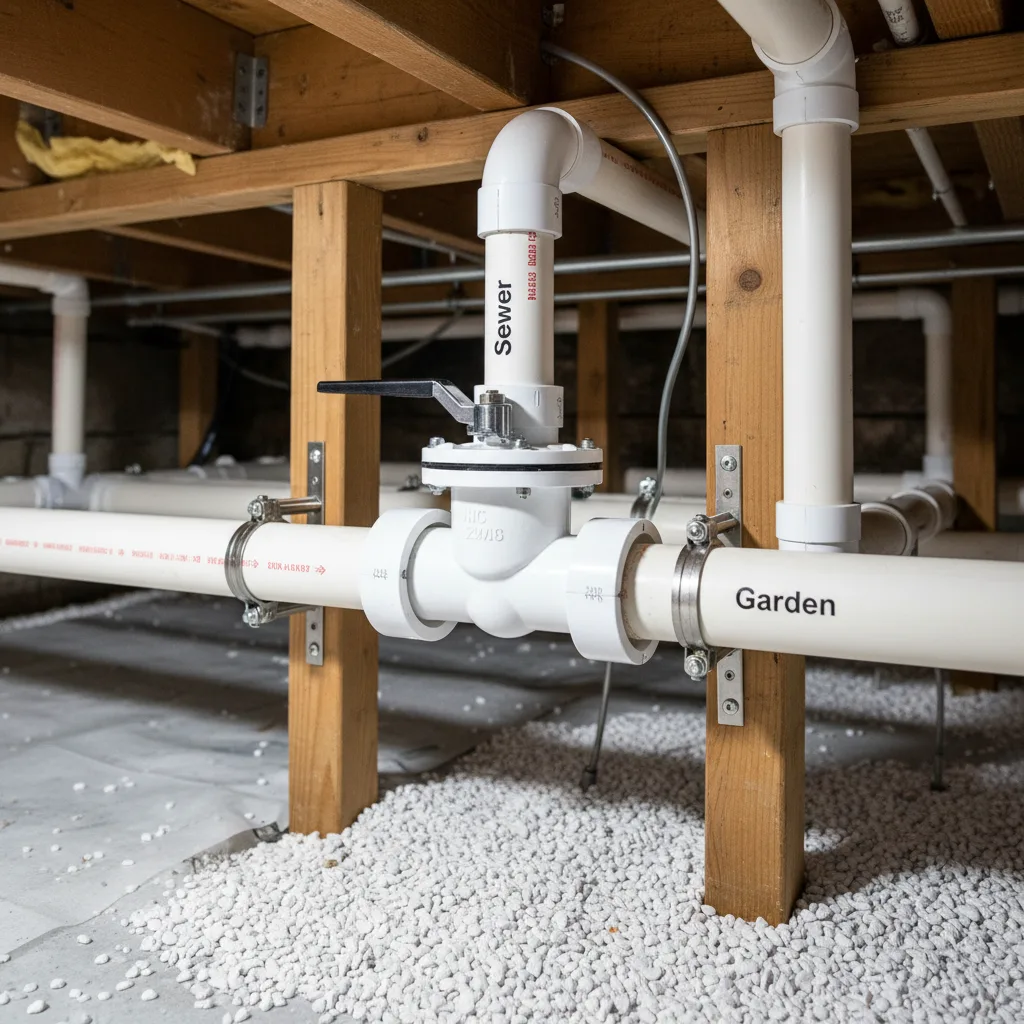
Most residential shower drains are accessible via a crawlspace or basement. To start your journey with DIY Greywater Systems: How to Recycle Your Shower Water for a Lush Sustainable Garden, you must install a diverter valve. This valve allows you to choose where the water goes. For example, during a heavy rainstorm when the garden is saturated, you can flip the valve to send water back to the sewer. Furthermore, during the height of summer, you can divert every drop to your thirsty mulch basins.
The Core Components of a Sustainable System
To build an effective system, you need more than just a pipe leading out the window. A robust setup requires filtration, distribution, and a proper discharge point. Specifically, a “gravity-fed” system is the gold standard for DIY enthusiasts because it requires no pumps or electricity. In addition, it is significantly less prone to mechanical failure than pressurized systems.
| Component | Function | Estimated Cost (2026) |
|---|---|---|
| 3-Way Diverter Valve | Switches between sewer and garden | $45 – $70 |
| PVC or HDPE Piping | Transports water to the exterior | $1.50/foot |
| Mulch Basins | Filters and infiltrates water into soil | $20 (for mulch) |
| Auto-Vent (AAV) | Prevents siphoning of P-traps | $25 |
Designing Your Distribution Network
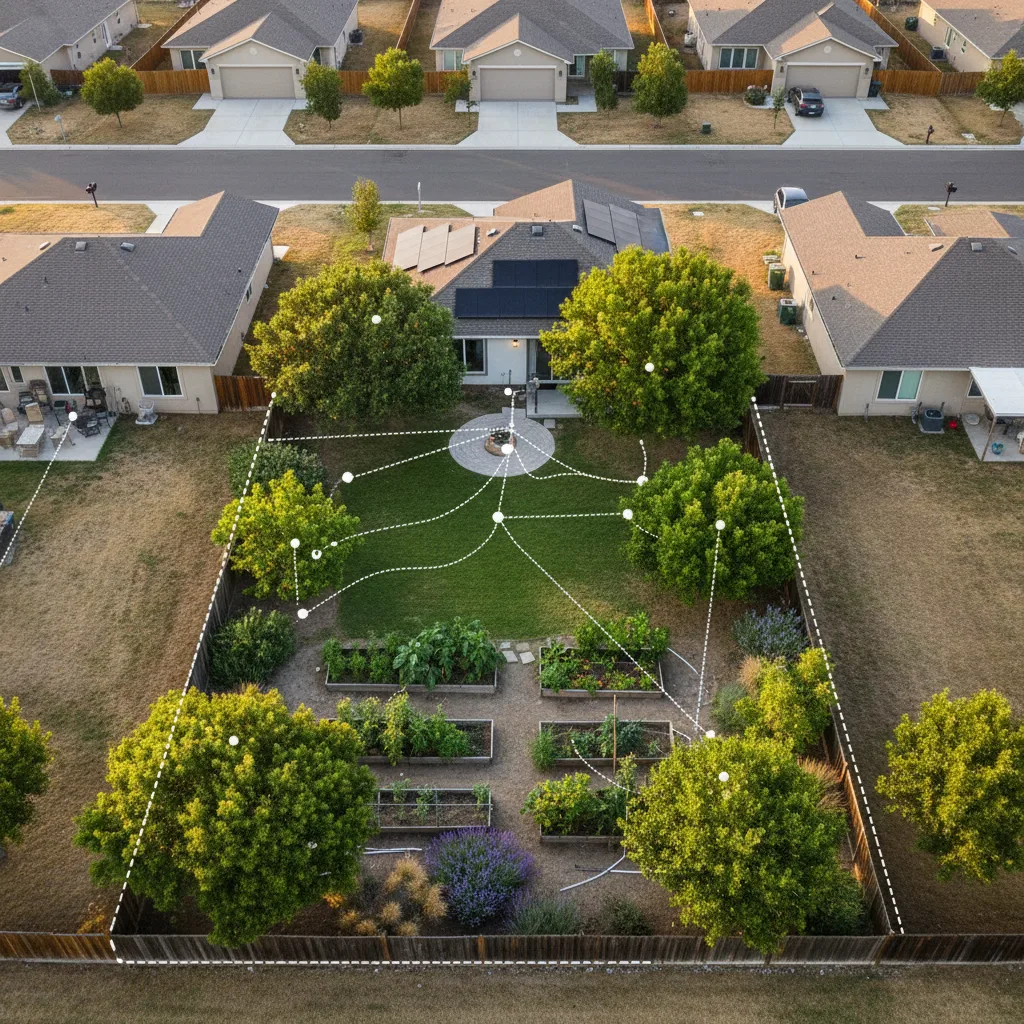
Once the water is outside, you must distribute it evenly. Most people make the mistake of letting water pool in one spot. Consequently, this creates odors and attracts mosquitoes. Instead, use a branched drain system. Specifically, use 1.5-inch or 2-inch PVC pipes that split into multiple outlets. This ensures that every tree in your sustainable garden receives a fair share of the hydration.
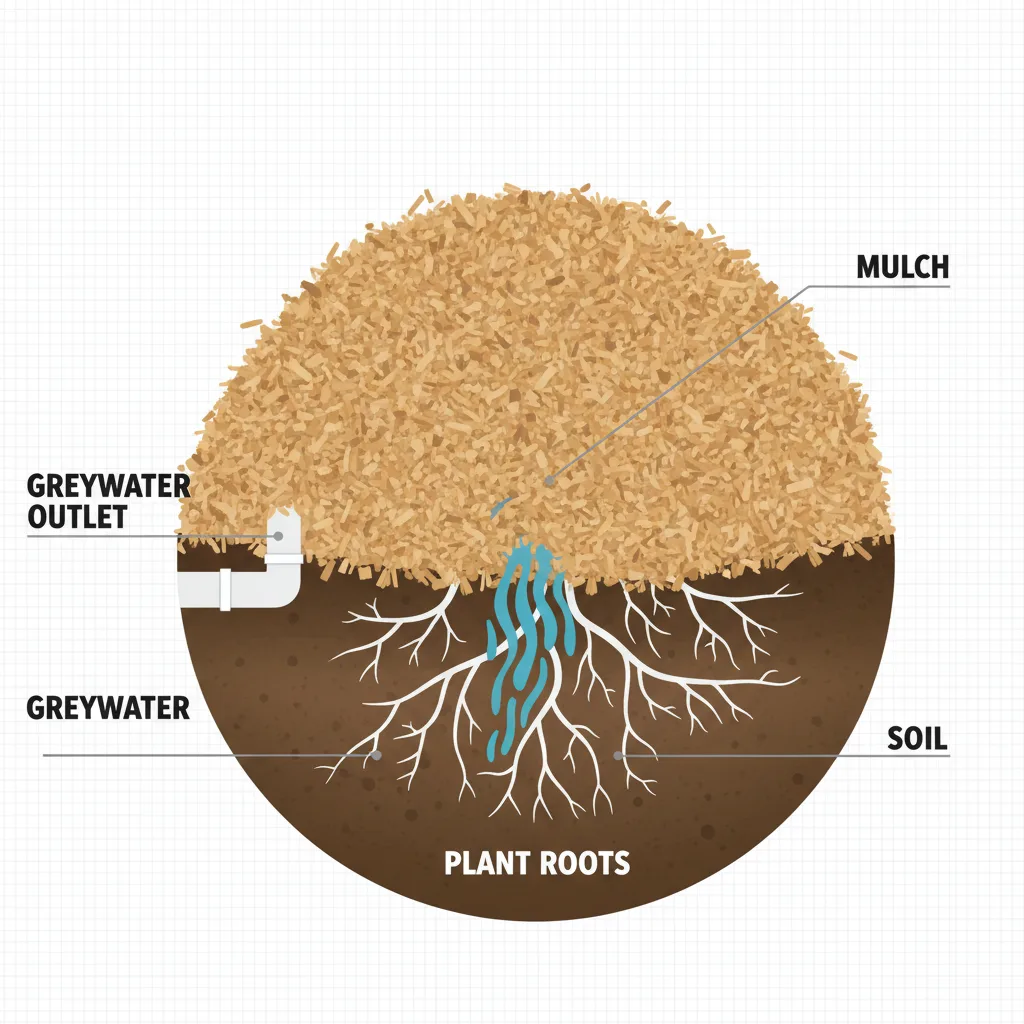
Furthermore, you should never spray greywater through a sprinkler. The pathogens present in untreated wastewater can become aerosolized, posing a health risk. Therefore, always discharge water at least 2 inches below the surface into a mulch-filled basin. This acts as a biological filter, where soil microbes break down soaps and organics before they reach the groundwater.
Advantages and Disadvantages of DIY Greywater Systems
Before you start cutting pipes, it is important to weigh the pros and cons. While I have found my system to be incredibly rewarding, it does require a commitment to maintenance and a shift in household habits. For those already exploring DIY Composting Toilet solutions, greywater recycling is the logical next step in total water independence.
Advantages:
- Drastic Water Bill Reductions: Especially in areas with tiered water pricing, staying in the lowest tier can save hundreds of dollars annually.
- Drought Proofing: Your garden remains green even when municipal watering restrictions are in place.
- Groundwater Recharge: By infiltrating water on-site, you are helping to replenish local aquifers.
Disadvantages:
- Regular Maintenance: Mulch basins need to be cleared of debris and woodchips replaced every 6-12 months.
- Initial Effort: Plumbing modifications can be intimidating for those who haven’t done much DIY work.
- Soap Restrictions: You must be vigilant about what products you use in the shower.
Step-by-Step Guide to Installation
If you are ready to implement DIY Greywater Systems: How to Recycle Your Shower Water for a Lush Sustainable Garden, follow these phases carefully. Safety and hygiene are paramount when dealing with any form of wastewater.
Phase 1: The Plumbing Hookup. Locate your shower drain line. Cut a section out and install a 3-way diverter valve. Ensure the handle is easily accessible. Connect one side back to the sewer and the other to a new pipe leading out of the house. You can calculate your potential savings using a Water Usage Calculator to see how much liquid gold you’re about to harvest.
Phase 2: Exterior Trenching. Dig shallow trenches (about 6-8 inches deep) from the exit point to your plants. Ensure there is a slight downward slope of at least 1/4 inch per foot. This uses gravity to move the water without the need for energy-intensive pumps.
Phase 3: The Mulch Basin. At the end of each pipe outlet, dig a basin roughly 2 feet wide and 1 foot deep. Fill this with coarse wood mulch. The mulch provides a high surface area for beneficial bacteria to live. Specifically, these bacteria eat the organic matter in the greywater, cleaning it as it sinks into the earth.
Monitoring and Maintenance in 2026
Once your system is live, check the basins monthly. If you notice water pooling on top of the mulch, it is time to dig out the old, decomposed mulch and replace it with fresh chips. Consequently, this prevents the system from becoming “clogged” with biological film. In addition, check your pipe outlets for any salt buildup, which can happen if you use high-sodium detergents.
Frequently Asked Questions
1. Does greywater smell?
If designed correctly, no. Since the water is discharged below a layer of mulch, the odors are trapped and neutralized by the soil. If it smells, you likely have standing water, which means your drainage needs improvement.
2. Can I use this for my lawn?
It is generally not recommended to use greywater on lawns because the water must be applied through a subsurface system. Surface irrigation (sprinklers) is a health hazard. It is much better suited for trees, shrubs, and large perennials.
3. Will the soap kill my plants?
As long as you use biocompatible, biodegradable soaps, most plants will actually thrive. The phosphorus and nitrogen in many eco-friendly soaps act as light nutrients. However, avoid acid-loving plants like blueberries or azaleas, as greywater tends to be slightly alkaline.
4. Is it legal in 2026?
In many states like California, Arizona, and Oregon, “Laundry-to-Landscape” systems are legal without a permit. Shower systems sometimes require a basic permit. Always check with your local building department first.
Conclusion: Transforming Waste into Abundance
Implementing DIY Greywater Systems: How to Recycle Your Shower Water for a Lush Sustainable Garden was one of the most impactful changes I made to my eco-home. It shifted my perspective from being a consumer of resources to a steward of them. By catching that water before it leaves your property, you are providing a consistent, nutrient-rich source of life for your landscape. It requires some sweat equity and a few plumbing parts, but the result is a resilient, beautiful garden that thrives even when the clouds refuse to open. Start small, perhaps with just one shower, and watch how your garden responds to this consistent gift of hydration.

Written by Mangaleswaran
Mangaleswaran is a dedicated sustainable living expert and the founder of EcoDweller. With a deep passion for renewable energy, he specializes in simplifying complex green technologies—like solar power and home efficiency—for the modern homeowner. His mission is to empower individuals to reduce their environmental impact while building more cost-effective, eco-friendly homes for the future.
Follow on Facebook