
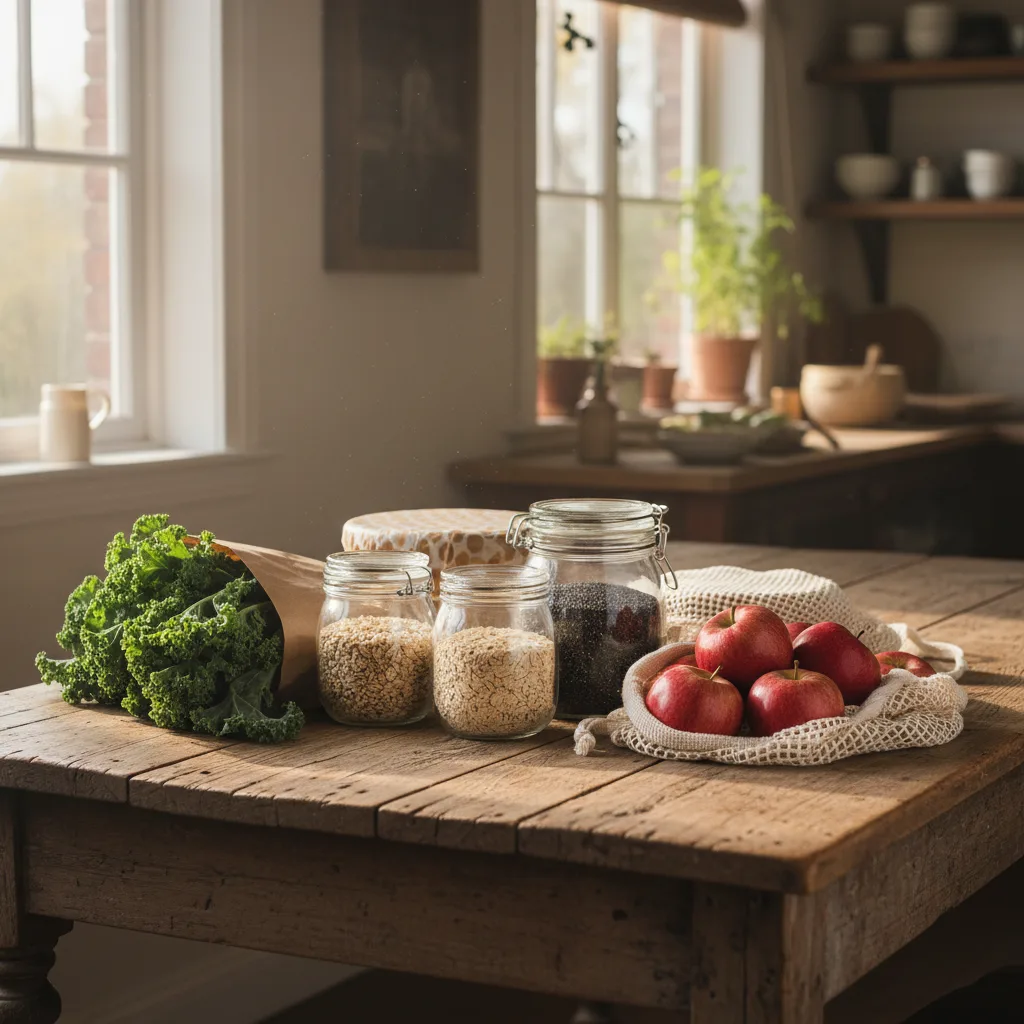
I still remember the day I almost quit my green journey. I stood in the checkout line at a high-end health food store, staring at a receipt for $214. The kicker? I only had three bags of groceries. I felt like I was being punished for trying to do the right thing for the planet. But here is the truth: sustainable living is not a luxury product for the elite. In fact, if you do it right, you can actually save money. Sustainable living can reduce your monthly expenses significantly. By shifting my mindset and perfecting an eco-friendly grocery list, I managed to shave exactly $112 off my monthly food bill while eating better than ever before.
Table of Contents
- ●The Financial Psychology of Sustainable Shopping
- ●Why Seasonal Eating is Your Secret Weapon
- ●The Ultimate Eco-Friendly Grocery List (The $100 Savings Plan)
- ●Mastering the Bulk Section Without the Mess
- ●Real-World Example: The Grocery Audit
- ●Common Mistakes When Trying to Save Money: Sustainable Living Pitfalls
- ●The Truth About the “Dirty Dozen” and “Clean Fifteen”
- ●Pro Tips for the Advanced Eco-Shopper
- ●Beyond the Grocery Store: Self-Sufficiency and Savings
- ●The EcoDweller Internal Link Block: Deepen Your Impact
- ●Sustainable Grocery Shopping FAQ
- ●1. Is organic food really better for the environment?
- ●2. How do I shop bulk if my store doesn’t allow personal jars?
- ●3. Can I still save money if I live in a food desert?
- ●4. What is the most expensive mistake in eco-friendly shopping?
- ●5. How much time does this take each week?
- ●Final Thoughts: Your Journey to a Greener Wallet
Many people believe that “green” means “expensive.” That is a myth fueled by clever marketing and greenwashed packaging. To truly eat sustainably, we have to look past the shiny labels and return to the basics of seasonality, bulk purchasing, and waste reduction. If you are ready to stop overpaying for wellness and start seeing real savings, this guide will walk you through the exact strategies I used to transform my kitchen and my bank account.
Key Takeaways for Your Eco-Budget:
- Focus on Whole Foods: Processed “eco-snacks” are 40% more expensive than raw ingredients.
- Buy in Bulk: Reducing packaging reduces cost; aim for grains, legumes, and spices.
- Embrace Seasonality: Out-of-season produce carries a high carbon footprint and a high price tag.
- Waste Prevention: The average household throws away $1,500 of food yearly; reducing waste is instant profit.
- Prioritize the “Dirty Dozen”: Spend on organic only where it matters most for health and soil.
The Financial Psychology of Sustainable Shopping
To cut costs while shopping sustainably, you must first understand the “Organic Trap.” Traditional grocery stores often markup organic items by 30% to 50%, even when the production cost doesn’t justify it. They know eco-conscious consumers are willing to pay a premium. However, the most sustainable foods—beans, lentils, oats, and local root vegetables—are actually the cheapest items in the store.
When you build an eco-friendly grocery list, you are essentially voting with your dollar. By choosing local and seasonal items, you bypass the massive transportation costs and middleman markups associated with exotic superfoods. Think of your grocery list as a strategic investment in both your health and the environment.
- Reduce Meat Consumption: Plant-based proteins like lentils cost roughly $0.15 per serving, compared to $2.00+ for beef.
- Avoid Pre-Cut Produce: You pay up to 300% more for the “convenience” of sliced onions wrapped in plastic.
- Shop the Perimeter: The middle aisles contain the most packaging and the highest profit margins for the store.
- Use Rewards Apps: Combine eco-coupons with store loyalty programs for double savings.
Why Seasonal Eating is Your Secret Weapon
Have you ever noticed how strawberries cost $7.99 in January and $2.50 in June? That is the power of seasonality. Eating with the seasons is the cornerstone of an effective eco-friendly grocery list. When produce is in season locally, the supply is high, and the energy required to transport it is low.
- Spring: Focus on leafy greens, radishes, and asparagus.
- Summer: Load up on berries, tomatoes, and stone fruits.
- Fall: Pivot to squash, apples, and hearty root vegetables.
- Winter: Lean on stored grains, citrus, and fermented foods.
By aligning your diet with the natural harvest cycle, you ensure you are getting the highest nutrient density for the lowest possible price. If you are struggling to find local options, check out these zero-waste meal planning strategies to maximize what you have.
The Ultimate Eco-Friendly Grocery List (The $100 Savings Plan)
Creating a list is one thing; sticking to it is another. To keep your green budget in check, you need a core set of staples that serve as the foundation for 80% of your meals. These items should be bought in bulk and have a long shelf life. This reduces trips to the store, which scientifically reduces impulse buying.
According to the USDA, the average American family of four spends nearly $1,200 a month on groceries. By implementing the following list, you can target the high-cost areas and replace them with low-impact, high-value alternatives.
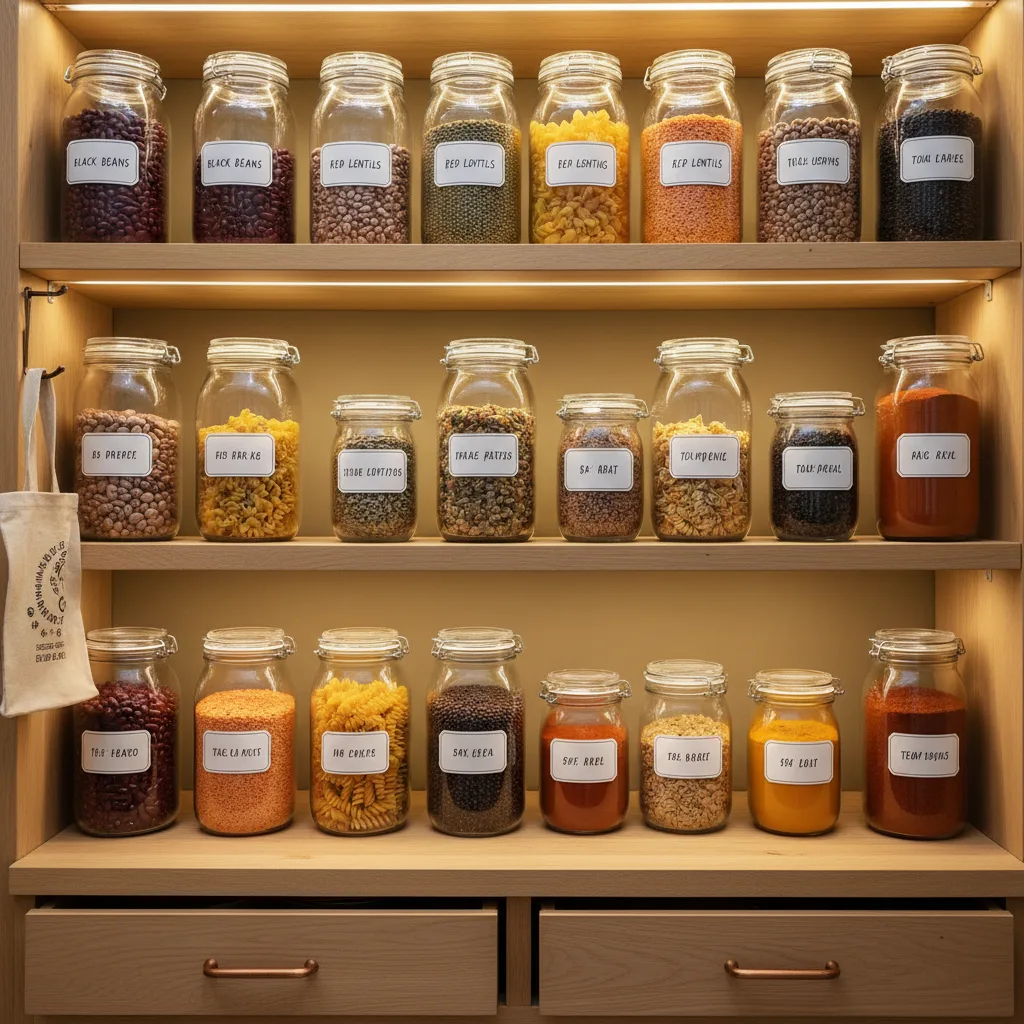
- The Legume Foundation: Dried black beans, chickpeas, and red lentils (Buy these in 5lb bags).
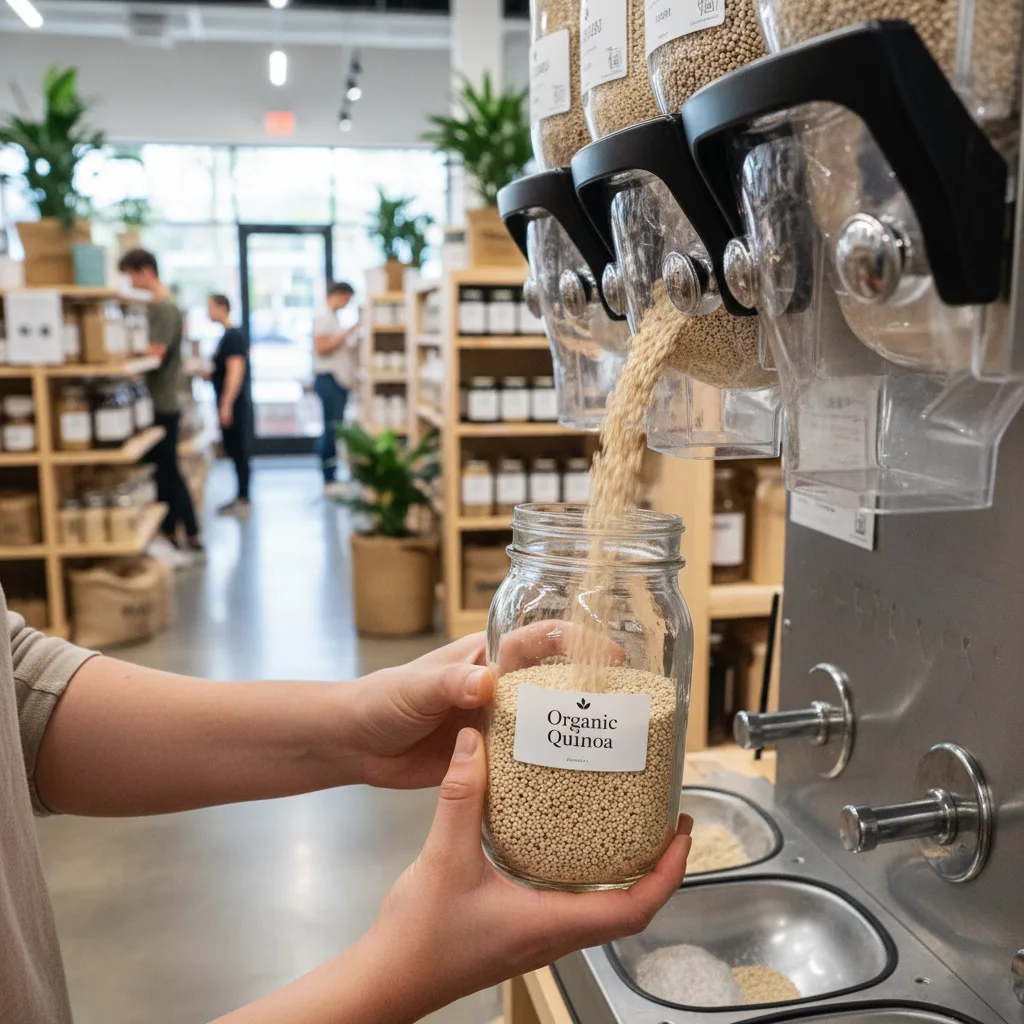
- Whole Grains: Steel-cut oats, brown rice, and quinoa from the bulk bins.
- Healthy Fats: Extra virgin olive oil in tin containers (highly recyclable) and bulk raw nuts.
- All-Purpose Produce: Onions, garlic, potatoes, and carrots (Long-lasting and versatile).
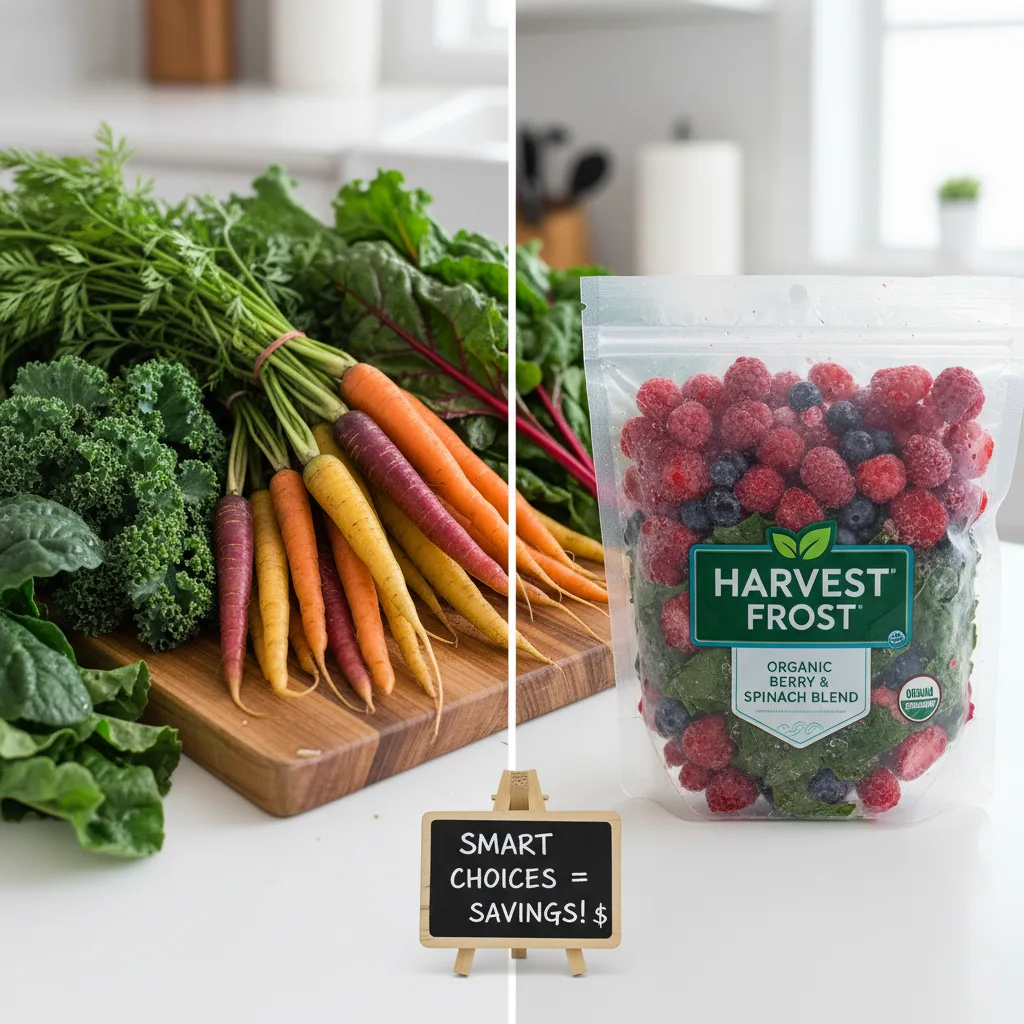
- Frozen Essentials: Organic spinach and berries (often cheaper and less wasteful than fresh).
Mastering the Bulk Section Without the Mess
Bulk shopping is the ultimate way to eliminate single-use plastic. However, if you don’t have a plan, it can become overwhelming. Most modern grocery stores allow you to bring your own jars—just make sure to “tare” them (weigh them empty) before filling. This simple habit can save you between 5% and 15% on the unit price of items like flour, sugar, and coffee.
- Spices: Never buy a new plastic jar of cinnamon; refill your old one for pennies.
- Cleaning Supplies: Look for castile soap and baking soda in large quantities for DIY cleaning.
- Snacks: Buy popcorn kernels instead of pre-popped bags for a 90% cost reduction.
Pro Tip: The “Frozen First” Rule
When you want to shop affordably and sustainably, check the frozen section for organic produce before the fresh aisle. Frozen vegetables are picked at peak ripeness and flash-frozen, locking in nutrients. They often cost 30% less than fresh organic counterparts and won’t wilt in your crisper drawer. This is a primary way to implement zero-waste kitchen solutions effectively.
Real-World Example: The Grocery Audit
To prove that an eco-smart approach cuts costs, let’s look at a head-to-head comparison of a standard “Convenience Shop” versus an “Eco-Smart Shop.” These numbers are based on average 2026 pricing in North American urban centers.
| Item Category | Standard Shop (Plastic/Processed) | Eco-Smart Shop (Bulk/Whole) | Savings |
|---|---|---|---|
| Protein (1lb) | $8.50 (Beef/Chicken) | $1.20 (Dried Lentils/Beans) | $7.30 |
| Breakfast | $6.00 (Boxed Cereal) | $0.80 (Bulk Oats) | $5.20 |
| Produce | $12.00 (Pre-cut Salad Kits) | $4.50 (Whole Heads/Local) | $7.50 |
| Snacks | $5.50 (Indiv. Bag Chips) | $1.50 (Bulk Popcorn/Nuts) | $4.00 |
| Weekly Total | $32.00 | $8.00 | $24.00 |
By scaling this logic across a full monthly shop, a household can easily save over $100 just by swapping out high-waste, high-cost convenience items for sustainable staples. This doesn’t even account for the massive reduction in waste disposal costs or the health benefits of avoiding processed additives.
Common Mistakes When Trying to Save Money: Sustainable Living Pitfalls
Even with the best intentions, many eco-dwellers fall into traps that drain their bank accounts. One of the biggest mistakes is “Aspirational Shopping”—buying exotic produce or superfoods because they look good on social media, even if you don’t know how to cook them. If you buy a $12 jar of spirulina and never use it, that is neither sustainable nor economical.
- Buying “Eco-Labels” Without Research: Not every “Natural” label is meaningful. Stick to certified organic or local for real impact.
- Overstocking Fresh Produce: If you aren’t shopping daily, don’t buy delicate greens in bulk. They will rot before you eat them.
- Ignoring the Unit Price: Always look at the cost per ounce or gram, not just the total price tag.
- Shopping While Hungry: This is a classic, but it’s especially dangerous in the specialty “eco” snack aisle.
- Assuming Farmers Markets are Always Cheaper: While better for the planet, some boutique markets can be pricier than grocery stores. Shop at the end of the day for better deals.
The Truth About the “Dirty Dozen” and “Clean Fifteen”
You don’t need to buy everything organic to keep your grocery budget reasonable. The Environmental Working Group (EWG) publishes a list every year highlighting which produce has the most and least pesticide residue. Use your budget to buy organic apples and strawberries (Dirty Dozen), but save your money by buying conventional avocados and onions (Clean Fifteen).
- Dirty Dozen (Buy Organic): Strawberries, Spinach, Kale, Nectarines, Apples, Grapes.
- Clean Fifteen (Conventional is Fine): Avocados, Sweet Corn, Pineapple, Onions, Papaya.
Pro Tips for the Advanced Eco-Shopper
Once you have mastered the basics of your eco-friendly grocery list, you can start applying advanced strategies to squeeze even more value out of every dollar. These tips focus on circular economy principles—where nothing goes to waste and every purchase has multiple purposes.
- The “Ugly Produce” Hack: Many stores now sell “misfit” vegetables at a 40% discount. They look weird, but they taste exactly the same in a stew or smoothie.
- Regrow Your Scraps: Don’t throw away the ends of your green onions or romaine lettuce. Put them in water and they will regrow, providing free food for weeks. See our guide on a DIY indoor herb garden for more.
- Use “Flashfood” or “Too Good To Go” Apps: These apps connect you with grocery stores selling food near its expiration date at massive discounts (often 50-70% off).
- Infuse Your Own Oils: Instead of buying expensive flavored oils, buy bulk olive oil and infuse it with your own herbs.
Warning: The “Plastic-Free” Premium
Be wary of brands that charge double for “compostable” packaging. Often, that packaging requires industrial composting facilities that your local municipality might not even have. It is always more cost-effective to buy truly package-free items from the bulk bin than to pay for high-tech bio-plastics. Focus on protecting your eco-budget by reducing the need for any packaging at all.
Beyond the Grocery Store: Self-Sufficiency and Savings
To truly maximize your savings, you have to look beyond the grocery store walls. Every item you can produce at home is an item you don’t have to buy, package, or transport. Even in a small apartment, you can take control of your food supply. This is a massive part of a holistic sustainable lifestyle.
According to research from Nature.com, local food production can significantly reduce a household’s carbon footprint. Start small with herbs, then move to high-value crops like cherry tomatoes or microgreens. These items are often the most expensive per pound at the store, making them the best “ROI” for a home gardener.
- Microgreens: A tray costs about $2 to grow but would cost $15 at a gourmet grocer.
- Composting: Turn your food scraps into “black gold” for your plants, eliminating the need for store-bought fertilizers.
- Preserving: Learn to quick-pickle or ferment surplus seasonal produce to enjoy in the winter months.
The EcoDweller Internal Link Block: Deepen Your Impact
Ready to take your sustainable kitchen to the next level? Check out these top-performing resources from our community to help you maximize your green savings:
- Must Read: 15 Sustainable Gardening Practices That Regenerate Your Soil
- Budget Tool: Our Custom Sustainable Budget Calculator
- Kitchen Hacks: EcoDweller Hacks: Cut Kitchen Waste Today
Sustainable Grocery Shopping FAQ
1. Is organic food really better for the environment?
Yes, but it is nuanced. Organic farming avoids synthetic pesticides and fertilizers, which protects soil health and local biodiversity. However, an organic apple flown from New Zealand might have a higher carbon footprint than a conventional apple from a farm 10 miles away. Always prioritize “Local + Seasonal” first, then “Organic” second to keep your grocery costs down.
2. How do I shop bulk if my store doesn’t allow personal jars?
Many stores have hygiene policies that prevent using your own jars. In this case, use lightweight, washable cotton mesh bags. They are accepted almost everywhere and are much lighter than glass, meaning you won’t be overcharged for the weight of the container. You can transfer the contents to glass jars once you get home.
3. Can I still save money if I live in a food desert?
Food deserts make it difficult to find fresh, local produce. In these cases, focus on shelf-stable bulk items through online retailers like Thrive Market or Azure Standard. These companies often ship organic staples in larger quantities for lower prices than local convenience stores.
4. What is the most expensive mistake in eco-friendly shopping?
Without a doubt, it is buying “Replacement Foods.” This means buying expensive vegan cheeses, gluten-free crackers, or meat alternatives. These are highly processed and usually cost 2x-3x more than whole-food alternatives. If your goal is to save money, sustainable living simply means sticking to foods that are naturally vegan or gluten-free, like potatoes and beans.
5. How much time does this take each week?
Initially, it takes about an hour of planning to set up your eco-friendly grocery list and find your local bulk sources. However, once your pantry is stocked with staples, your weekly shopping actually becomes faster because you aren’t browsing every aisle. Most eco-shoppers report spending 30% less time in stores over the long term.
Final Thoughts: Your Journey to a Greener Wallet
Learning how to embrace an affordable green lifestyle is one of the most empowering shifts you can make. It transforms you from a passive consumer into an intentional steward of your resources. By focusing on whole foods, mastering the bulk bins, and embracing the natural rhythm of the seasons, you aren’t just saving $100 a month—you are building a resilient, healthy lifestyle that benefits you and the planet. Start with one small change this week: swap out one processed snack for a bulk-bought alternative, and watch the savings grow.

Written by Mangaleswaran
Mangaleswaran is a dedicated sustainable living expert and the founder of EcoDweller. With a deep passion for renewable energy, he specializes in simplifying complex green technologies—like solar power and home efficiency—for the modern homeowner. His mission is to empower individuals to reduce their environmental impact while building more cost-effective, eco-friendly homes for the future.
Follow on Facebook