
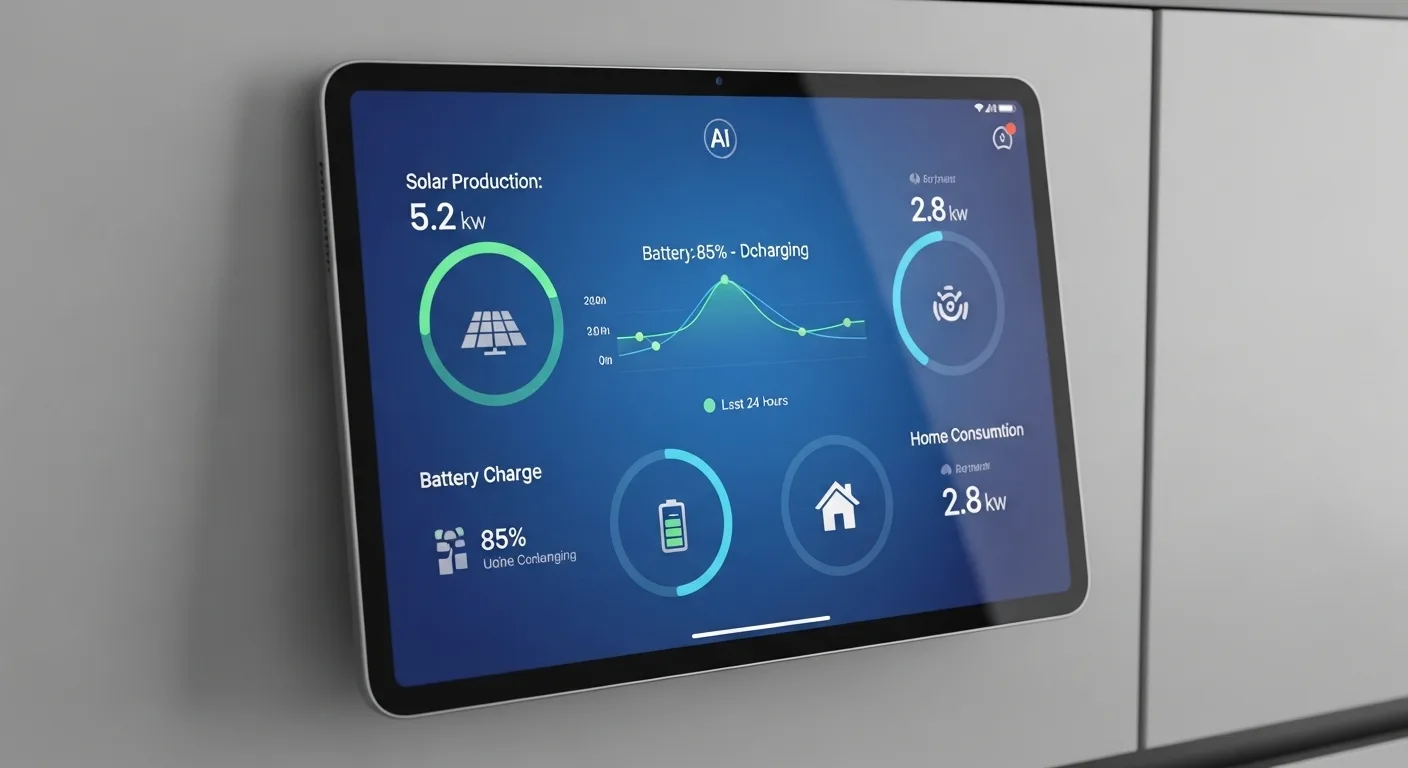
Welcome to the future of eco-dwelling! As we navigate through 2026, skyrocketing utility prices and unpredictable grid outages have made home energy efficiency more crucial than ever. If you have been struggling to optimize your solar output or keep your electric bills manageable, an AI home energy management system is the definitive solution you have been looking for. These smart systems act as the central brain of your home, automating energy consumption, storing cheap power, and reducing your carbon footprint without requiring you to lift a finger.
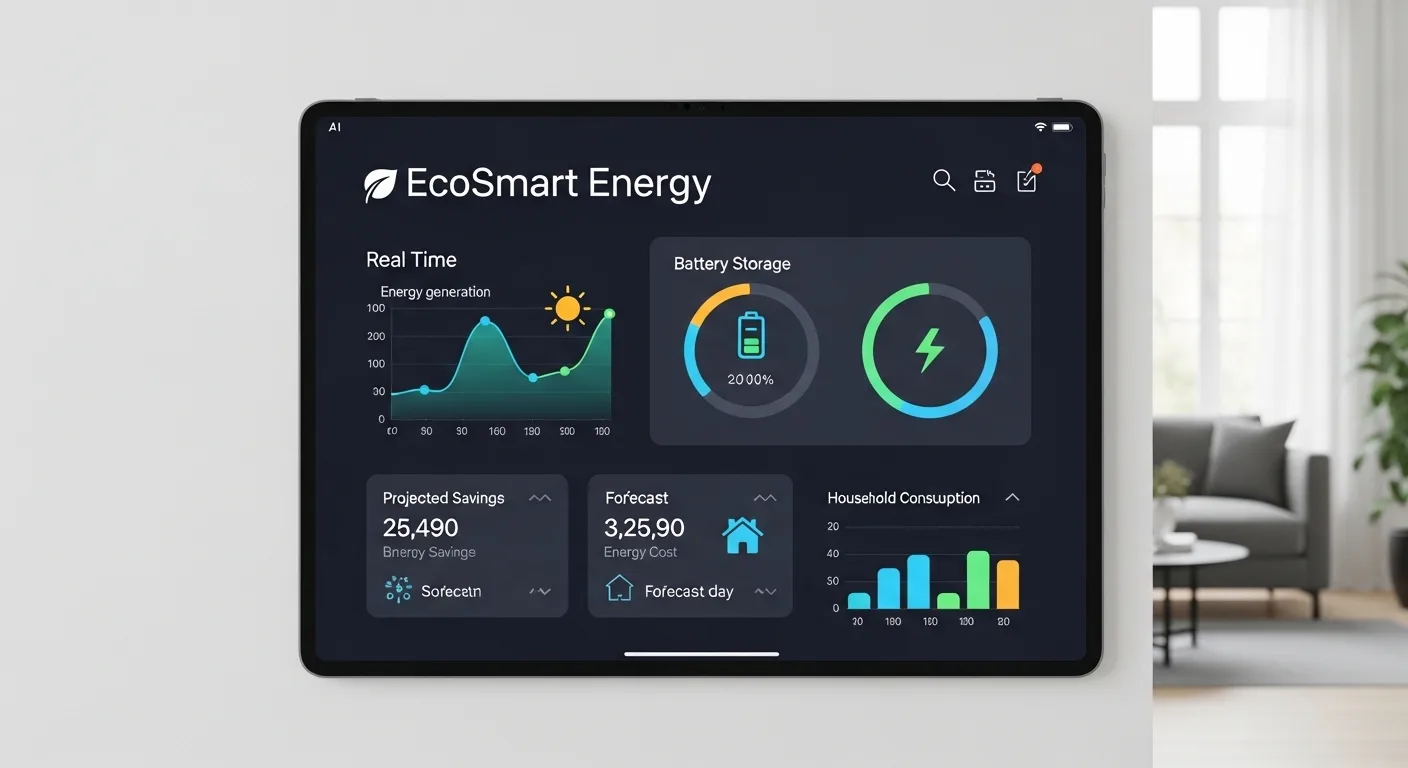
What is an AI Home Energy Management System?
Unlike basic smart thermostats or standard energy monitors of the past decade, a modern AI home energy management system uses machine learning to predict your household energy needs. By analyzing weather patterns, utility rate structures, and your family daily routines, it automatically dictates when to draw power from the grid, when to run off your solar panel upgrades, and when to dispatch stored battery power.
Integrating an AI energy manager with time-of-use (TOU) electricity tariffs can slash your monthly bills by up to 40%. The AI will pre-cool your home or charge your EV when grid energy is cheapest (or free from your solar panels), avoiding peak evening rates completely.
The ROI: AI Systems vs. Traditional Monitors
Are these next-gen systems worth the initial green investment? Let us break down the numbers for 2026.
| Feature | Traditional Energy Monitor | AI Home Energy Management System |
|---|---|---|
| Primary Function | Passive tracking and data visualization | Active automation and predictive load shifting |
| Average Cost (Hardware + Install) | $150 – $300 | $800 – $1,500 |
| Appliance Control | Requires manual switching | Fully automated via smart breakers |
| Integration | Basic app notifications | Seamless sync with EVs, batteries, and heat pump water heaters |
| Estimated ROI Timeframe | 3 to 5 years | 1.5 to 3 years |
How to Prepare Your Home for AI Integration
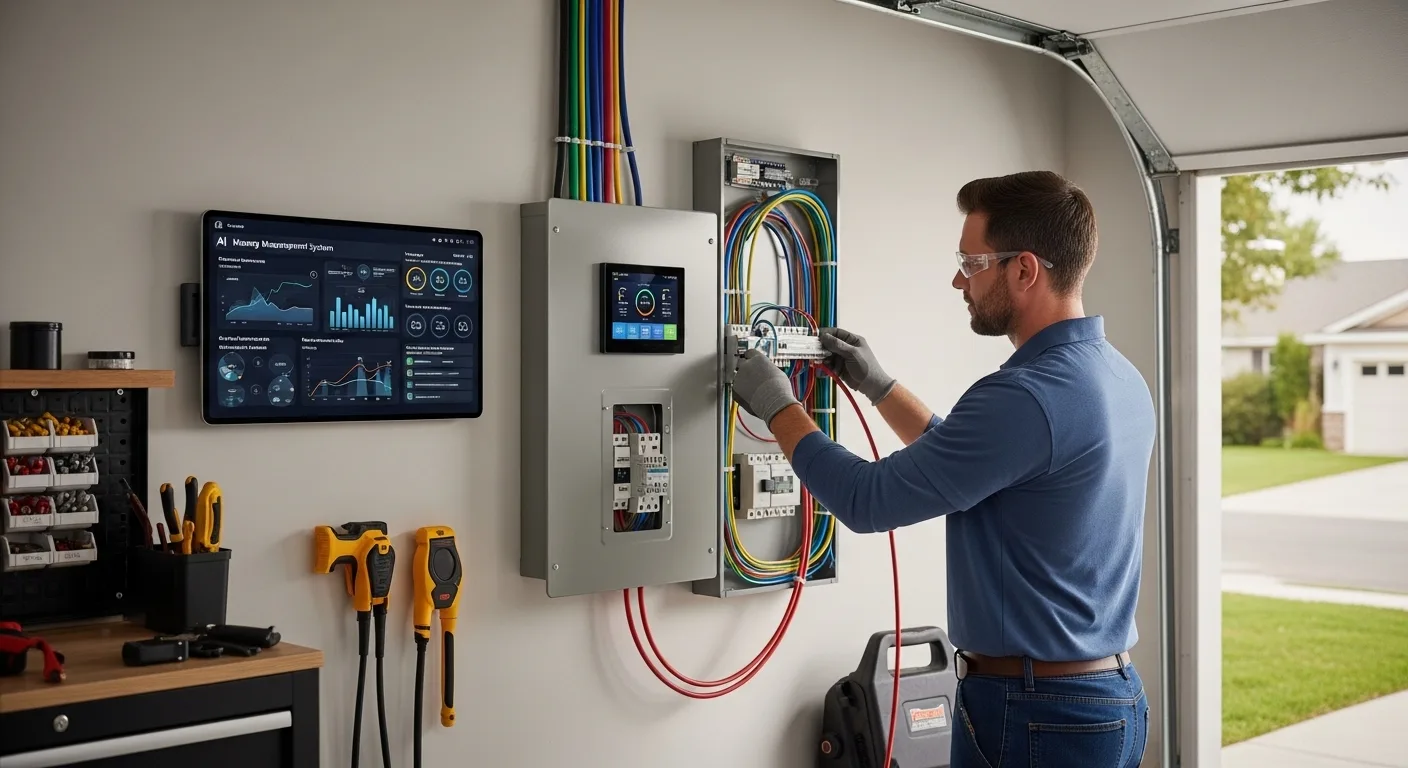
Upgrading to an AI-driven energy hub is one of the top green investments you can make this year. To get started, you will need a modern electrical panel (often called a smart panel) and compatible smart appliances. Even older homes can be retrofitted with smart relays that allow the AI to control heavy loads like HVAC systems and electric dryers seamlessly.
Frequently Asked Questions
Conclusion
Embracing an AI home energy management system in 2026 is no longer just for tech enthusiasts; it is a practical, money-saving necessity for any dedicated eco-dweller. By taking the guesswork out of load management and renewable integration, you can achieve true home energy efficiency while passively protecting the planet.