
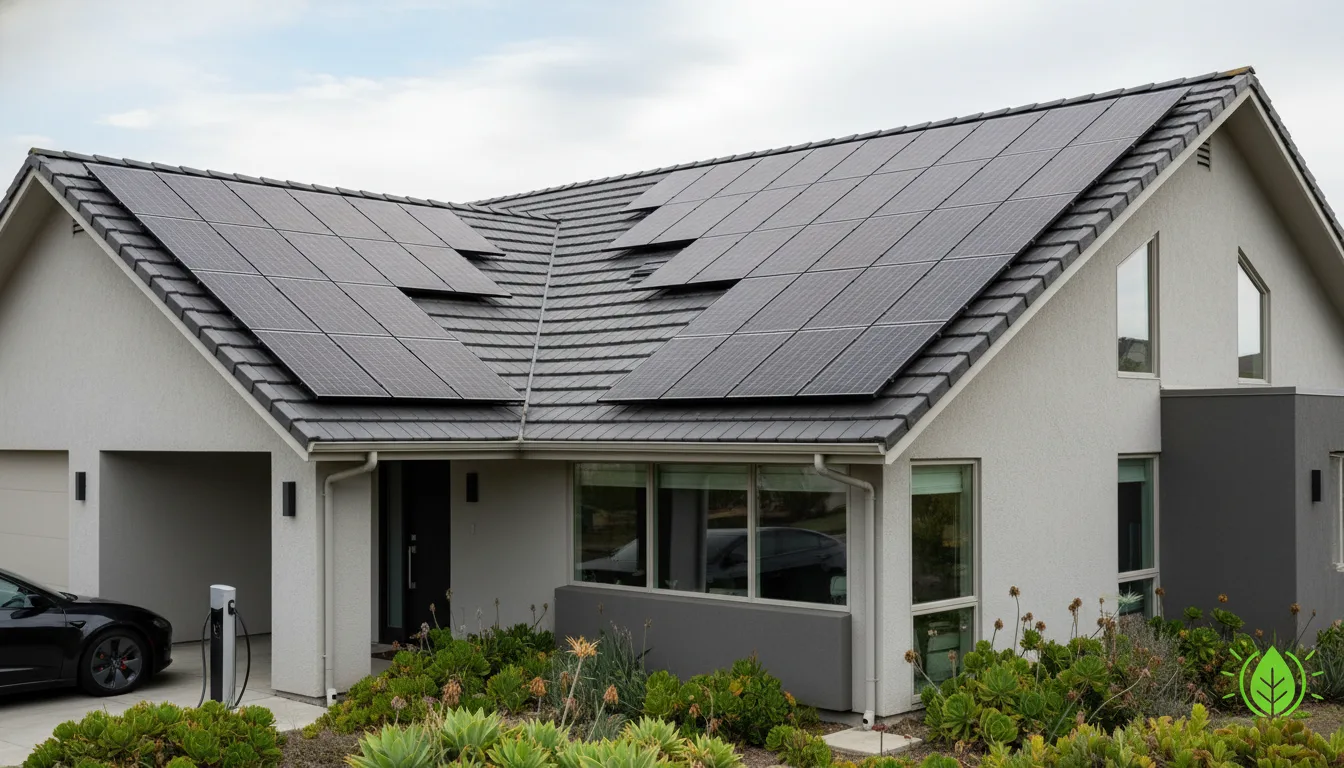
If you live in a region with frequent overcast weather, finding the best solar panels for cloudy climates is crucial to maximizing your energy independence. As we transition into 2026, advancements in photovoltaic technology have made it easier than ever to generate significant power, even when the sun refuses to shine. You no longer need perfectly clear skies to see a dramatic drop in your utility bills.
Key Takeaways
- N-Type TOPCon and HJT cells are the top-performing technologies for low-light conditions in 2026.
- The best solar panels for cloudy climates can convert diffuse sunlight into usable energy at an impressive 22% to 24% efficiency.
- Using microinverters instead of standard string inverters minimizes the impact of heavy cloud cover on your solar array.
- Pairing your solar setup with an eco-friendly HVAC system maximizes your home’s overall energy efficiency.
Why You Need the Best Solar Panels for Cloudy Climates
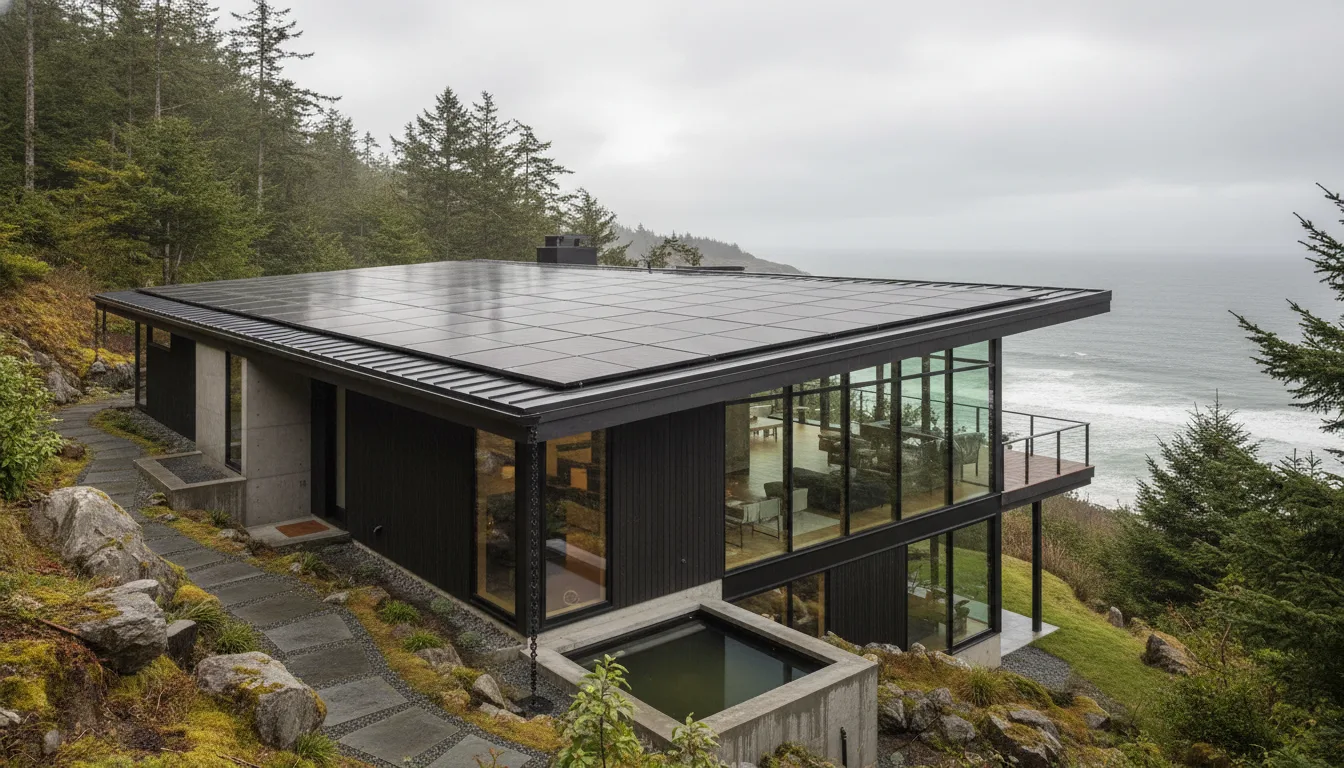
Many homeowners mistakenly believe that solar power only works in states like Arizona or California. However, solar panels don’t need direct, blazing sunlight to function; they operate on ultraviolet (UV) light, which easily penetrates through thick clouds. In fact, cooler, cloudy climates can sometimes be better for solar longevity because extreme heat actually degrades solar panel performance.
According to the Department of Energy, modern photovoltaic modules capture “diffuse light”—the scattered wavelengths created by cloud cover—to continue generating electricity. To capitalize on this, you need modules specifically engineered with a low temperature coefficient and a broad spectral response.
How Low-Light Efficiency Works in 2026
As of 2026, the solar industry has largely shifted away from standard P-type PERC cells. The new gold standard relies on N-type Heterojunction (HJT) and TOPCon technologies. These panels feature better light absorption spectrums, meaning they wake up earlier in the morning and stay active longer into the overcast afternoon, ultimately shrinking your carbon footprint faster than older models.
Comparing the Top Solar Panels for Cloudy Weather
When selecting the ideal system for low-sunlight regions, efficiency ratings and degradation rates are your most critical metrics. Below is a comparison of the top-performing panels for overcast environments.
| Brand & Model | Max Efficiency | Cell Technology | Best Feature |
|---|---|---|---|
| Maxeon (SunPower) 7 Series | 24.1% | IBC (Interdigitated Back Contact) | Unmatched diffuse light capture |
| REC Alpha Pure-RX | 22.6% | HJT (Heterojunction) | Excellent low-light spectral response |
| Panasonic EverVolt HK | 22.3% | N-Type Half-Cut | Lowest degradation over 25 years |
Advantages and Disadvantages of High-Efficiency Panels
Before investing in premium tier-one modules recommended by the Solar Energy Industries Association (SEIA), it is important to weigh the specific pros and cons.
Advantages
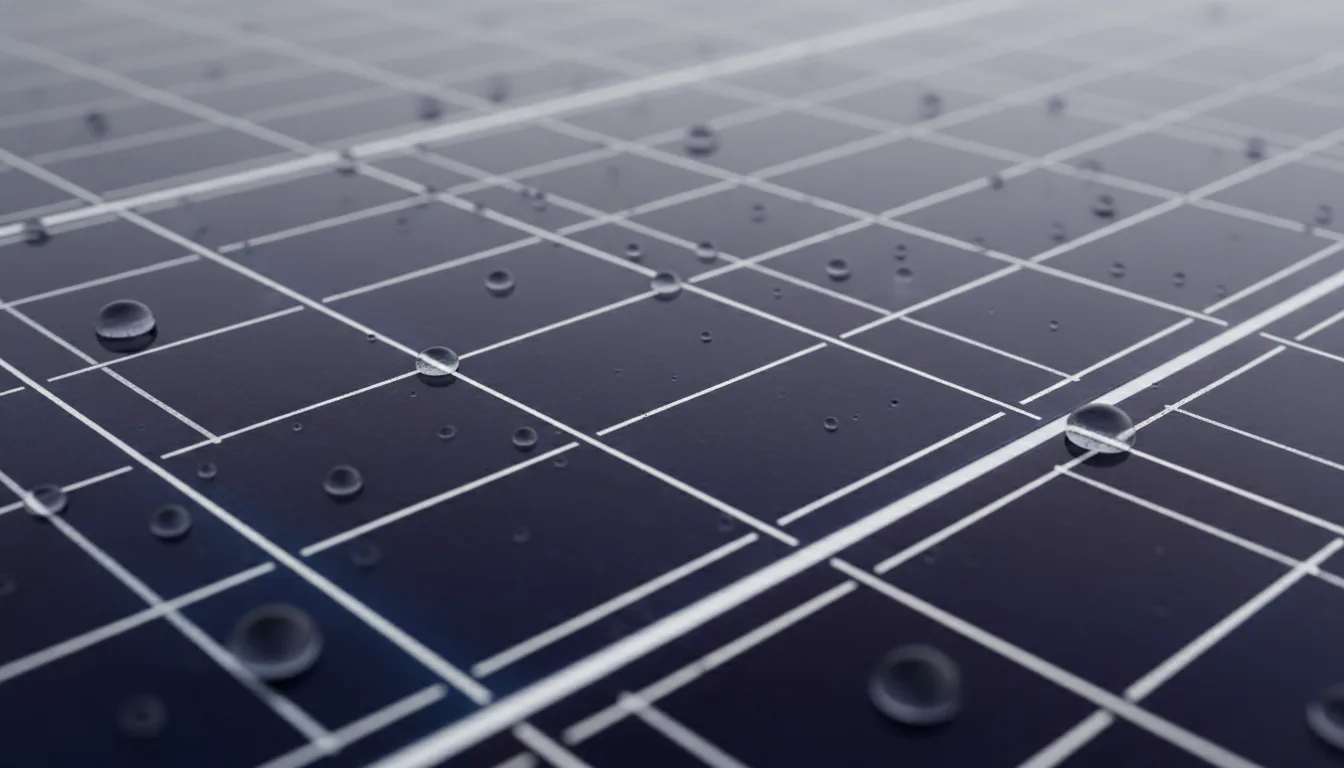
- Higher Yield in Low Light: Generates up to 15% more electricity on overcast days compared to standard poly or mono panels.
- Space Optimization: Higher efficiency means you need fewer panels on your roof to meet your daily household energy needs.
- Durability: Premium panels designed for harsher climates typically feature extended 25-to-40-year warranties.
Disadvantages
- Higher Upfront Cost: High-efficiency IBC and HJT panels command a noticeable premium price over budget options.
- Slightly Longer ROI: Because the initial cost is higher, the financial break-even point might be delayed by an extra 1-2 years.
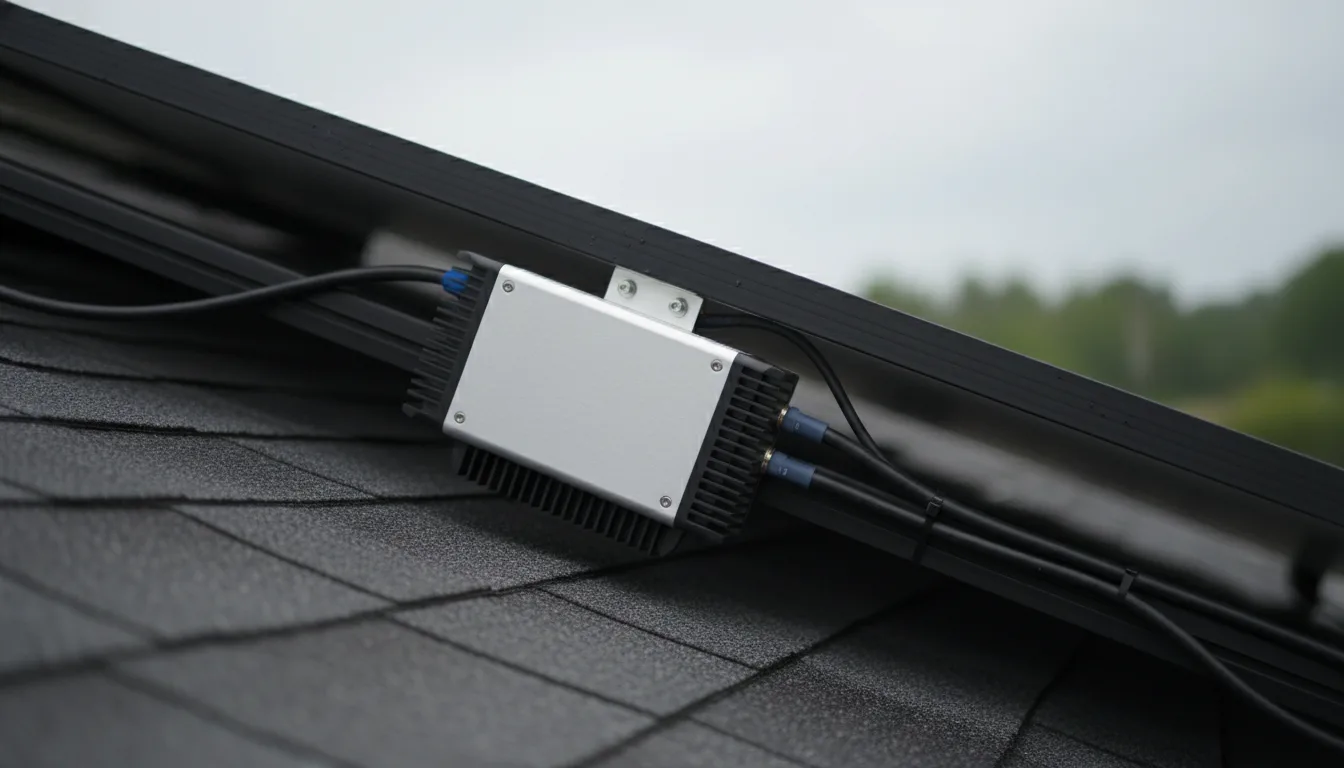
Even if you buy the best solar panels for cloudy climates, a standard string inverter will throttle your entire system’s output if just one panel is heavily shaded by a thick cloud. Always ask your installer for Microinverters or Power Optimizers to ensure each panel operates independently at its maximum potential.
FAQs About Solar Panels in Cloudy Weather
Do solar panels still charge on cloudy days?
Yes. While energy production naturally decreases, modern panels still capture diffuse UV rays. Depending on the density of the cloud cover, high-efficiency panels typically generate between 10% and 30% of their normal output on overcast days.
What happens to my solar power when it rains?
Rain is actually highly beneficial for your solar array! It acts as a natural cleaning mechanism, washing away accumulated dust, pollen, and debris that would otherwise block sunlight and lower your panel’s efficiency.
Is battery storage necessary for cloudy climates?
While not strictly necessary if you have a strong 1:1 net metering policy with your utility company, adding a home solar battery ensures you have stored excess power from sunny days to draw upon during consecutive heavily overcast weeks.
Final Thoughts on Maximizing Low-Light Solar
Do not let gloomy weather deter you from making a profitable green investment. By choosing the best solar panels for cloudy climates—specifically those leveraging top-tier HJT or N-type TOPCon technology—you can easily generate abundant, clean energy year-round. At EcoDweller, we believe that sustainable living and energy independence should be accessible regardless of your local geography.
Ready to see exactly how much renewable energy you can generate and how much money you can save this year?