
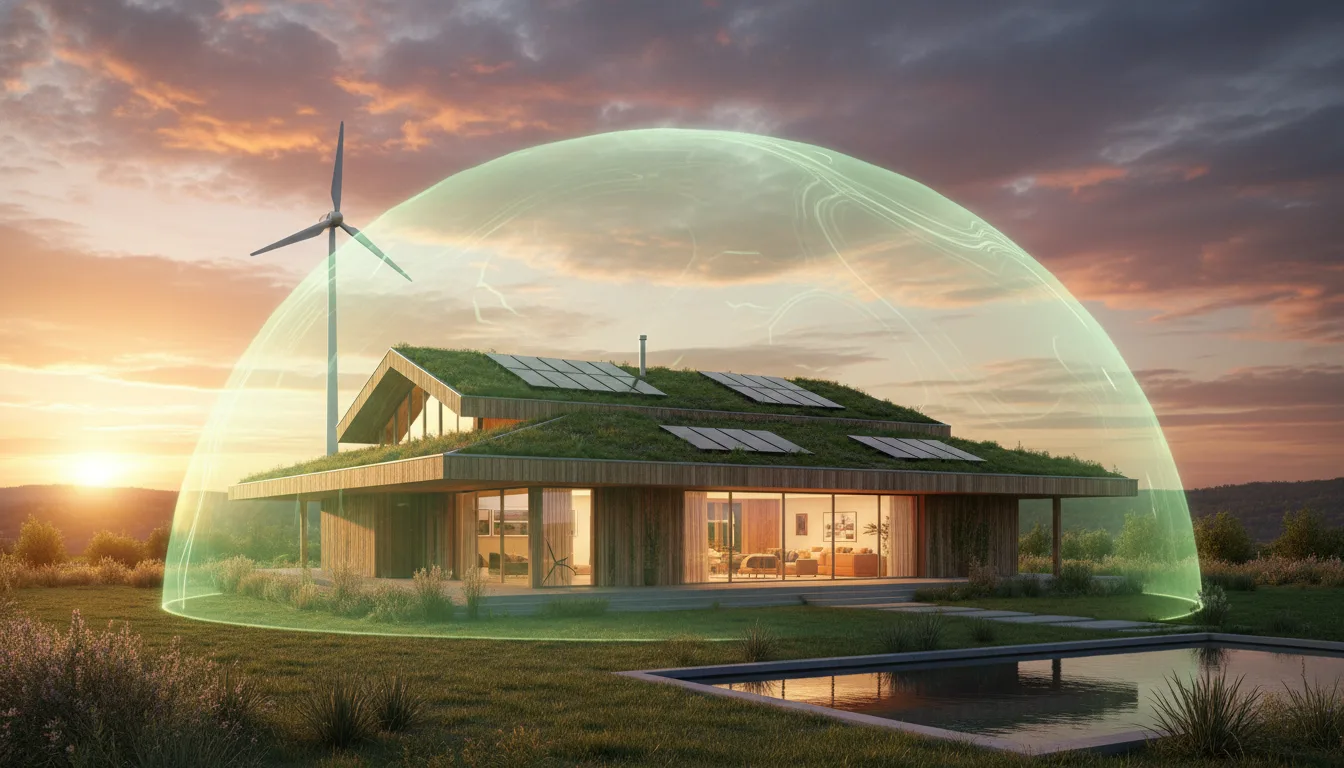
As we step into 2026, climate change and sustainable living are no longer just buzzwords—they dictate how we build, power, and protect our sanctuaries. However, many homeowners quickly realize a startling problem: standard home insurance policies often fail to cover the true replacement cost of eco-upgrades like solar arrays, smart thermostats, or sustainable building materials. If a storm damages your home, a traditional policy will only pay to rebuild it using standard, non-green materials. This is where green home insurance becomes the vital missing piece of your sustainable lifestyle.
What is Green Home Insurance?
Green home insurance (often called an eco-friendly endorsement or green rebuild coverage) goes beyond standard property protection. It ensures that in the event of a covered loss, your home is repaired or rebuilt using environmentally friendly materials, energy-efficient appliances, and sustainable construction techniques. Instead of replacing your shattered windows with basic panes, green coverage pays for Energy Star-rated alternatives.
You might not need to switch providers completely. Many major carriers in the USA and Canada offer a ‘Green Upgrade’ endorsement that can be added to your existing policy for a fraction of a full policy change. Check your declarations page before shopping around!
Standard vs. Green Home Coverage: The 2026 Comparison
Understanding the gap between conventional and sustainable coverage is essential for protecting your green investments. Here is a breakdown of what you can expect when upgrading to a green policy.
| Coverage Area | Standard Policy | Green Insurance Policy |
|---|---|---|
| Rebuilding Materials | Replaces with standard, comparable materials | Replaces with sustainable, non-toxic, and eco-friendly materials |
| Energy Systems | Capped payout based on depreciated value | Full replacement cost for solar, wind, or geothermal setups |
| Appliance Replacement | Standard functional appliances | Energy Star or highly efficient alternatives |
| Certification Fees | Not covered | Covers fees for LEED or Energy Star recertification post-rebuild |
Pros and Cons of Sustainable Home Insurance
While making the switch makes financial sense for eco-conscious homeowners, it’s important to weigh the advantages against the potential drawbacks before signing a new policy.
Advantages (Pros)
- Future-Proofs Your Home: Guarantees that if disaster strikes, you won’t take a step backward in your sustainability journey.
- Premium Discounts: Homes that are LEED-certified or use impact-resistant green materials often qualify for significant premium discounts. Learn more about LEED-certified home renovations to maximize these savings.
- Comprehensive System Protection: Offers specialized replacement options for complex installations, such as those covered in our solar panel maintenance guide.
Disadvantages (Cons)
- Slightly Higher Base Premiums: The cost of the green upgrade endorsement does add a marginal fee to your annual bill.
- Limited Availability: While growing rapidly in 2026, some regional or smaller insurance providers in rural US and Canadian markets still do not offer robust green add-ons.

Actionable Steps to Secure Your Green Policy
Ready to protect your eco-dwelling? Follow these actionable steps to secure the right policy today:
- Appraise Your Eco-Assets: Make an itemized list of your home’s sustainable features. Include your heat pump, solar array, insulation type, and any eco-friendly building materials used during construction.
- Ask About Recertification: Ensure the policy explicitly covers the architectural and engineering fees required to get your home re-certified by environmental councils if a total rebuild is necessary.
- Compare Dedicated Green Insurers: Look for carriers that specialize in sustainability or have strong ESG (Environmental, Social, and Governance) commitments.
Frequently Asked Questions (FAQ)
Conclusion
As 2026 brings new extreme weather challenges and an increased focus on energy independence, relying on a standard insurance policy is a risky gamble for sustainable homeowners. Green home insurance provides the ultimate peace of mind, ensuring that your investment in the planet remains protected no matter what the future holds. Take the time to audit your current coverage, consult with green-certified brokers, and make the switch to a policy that aligns with your environmental values.