
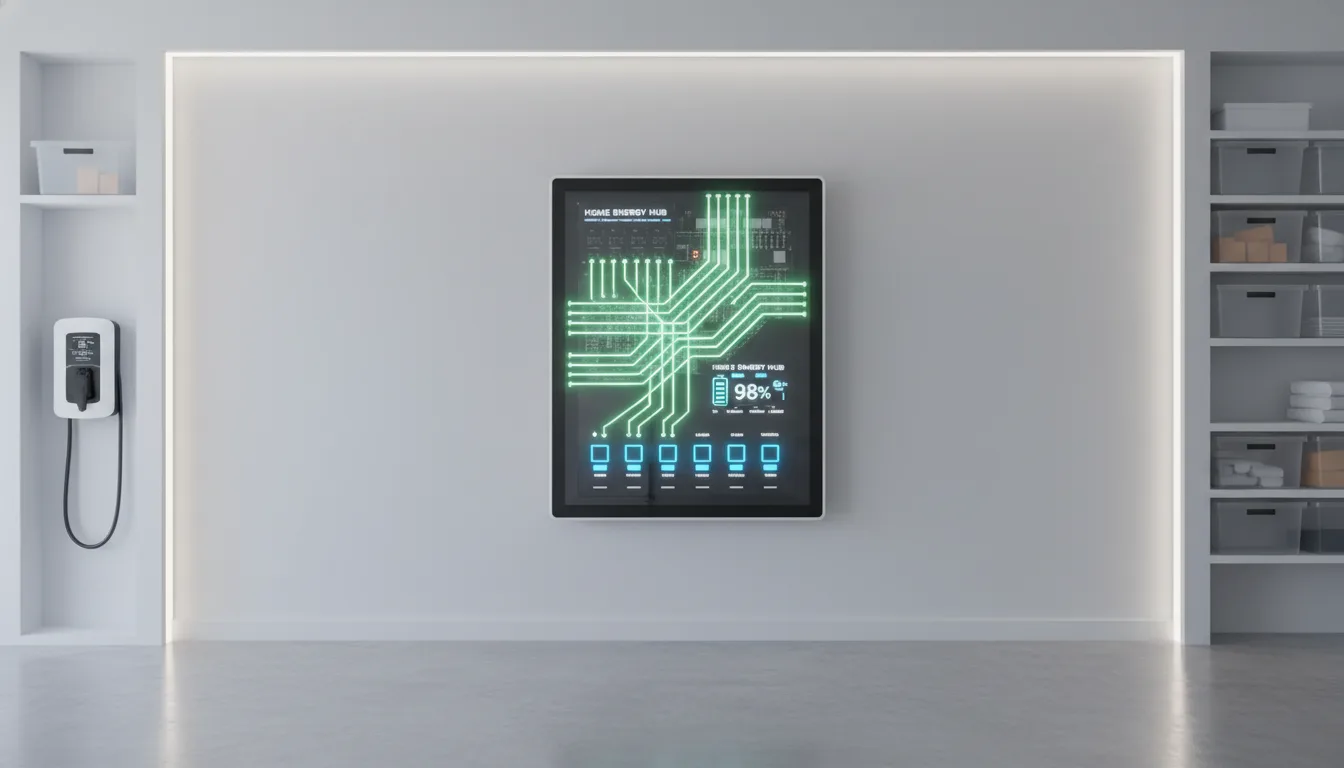
When my winter electricity bill spiked by an alarming 45%, I realized my standard circuit breaker was utterly blind to my energy waste. Consequently, I started researching modern energy solutions. Specifically, I needed to know the exact smart electrical panel upgrade cost 2026 to determine if the investment made sense. By 2026, full home electrification is no longer just a futuristic trend. In fact, it is a financial necessity for eco-conscious homeowners. Furthermore, upgrading your main electrical panel unlocks deep insights into your daily power consumption. Therefore, this comprehensive guide will break down everything you need to know about pricing, installation, and long-term savings.
Table of Contents
- Key Takeaways
- Understanding the Smart Electrical Panel Upgrade Cost 2026
- Hardware vs. Labor Expenses
- Detailed Cost Breakdown for 2026
- Advantages and Disadvantages of Upgrading
- Pros of Smart Panels
- Cons to Consider
- How IRA Tax Credits Reduce Your Costs
- Federal Tax Credits (25C)
- HEEHRA Rebates for Low-to-Moderate Income
- Integration with Green Home Technologies
- Solar Panels and Bidirectional Charging
- AI Energy Management Systems
- Choosing the Right Installer in 2026
- What to Look For
- Frequently Asked Questions (FAQ)
- Will a smart panel completely replace my current breaker box?
- Is the smart electrical panel upgrade cost 2026 worth it for a standard home?
- How long does the installation take?
- Can a smart panel lower my utility bill?
- Conclusion: Taking Control of Your Home Energy
Key Takeaways
- Total Investment: The average smart electrical panel upgrade cost 2026 ranges from $3,500 to $6,000, including professional installation.
- Tax Incentives: The Inflation Reduction Act (IRA) provides up to $600 in direct tax credits for panel upgrades, or up to $4,000 under specific rebate programs.
- Energy Savings: Smart panels can reduce monthly energy bills by 10% to 20% through automated load management.
- System Integration: These modern panels are essential for seamlessly integrating solar arrays, EV chargers, and home battery backups.
Understanding the Smart Electrical Panel Upgrade Cost 2026
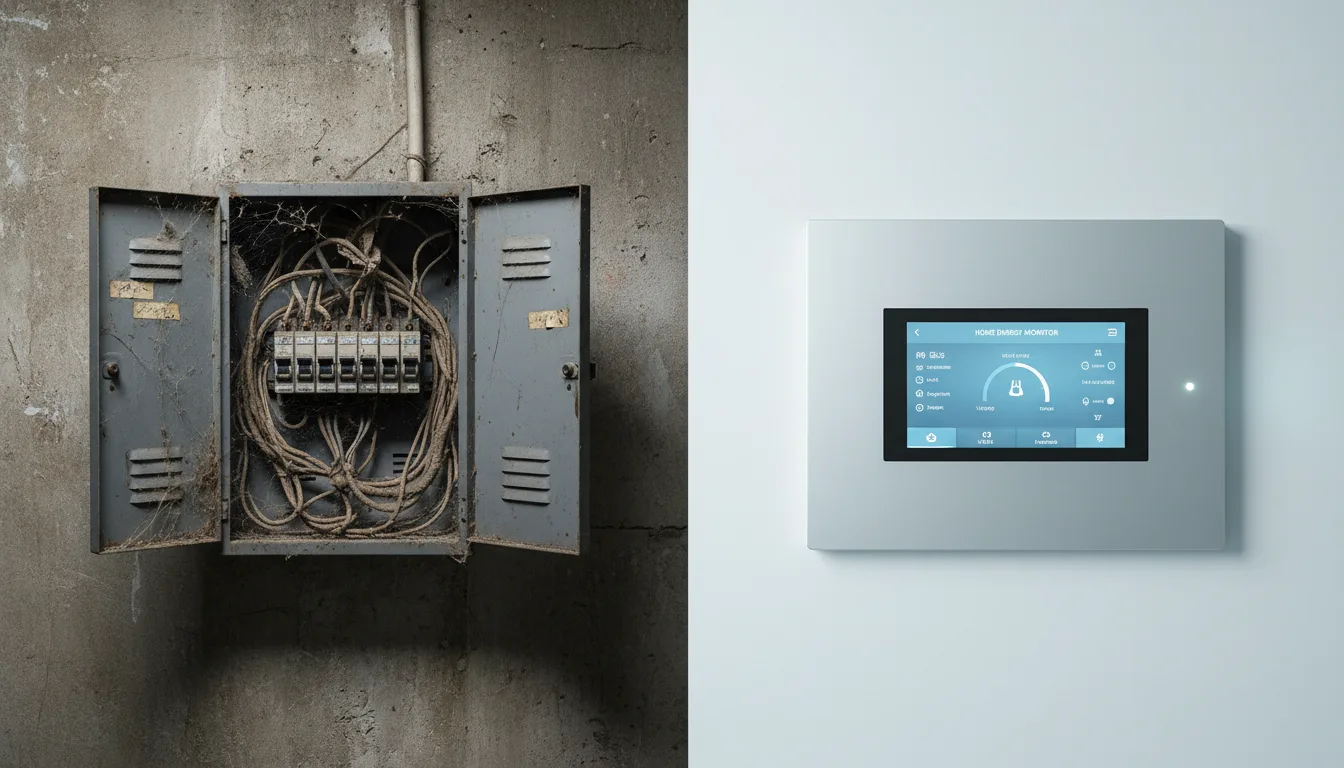
Many homeowners wonder why standard breaker boxes are becoming obsolete. Primarily, traditional panels are passive devices. They simply trip when overloaded. However, modern smart panels actively manage your home’s power. Consequently, you can prioritize essential appliances during grid outages. This advanced technology significantly impacts the overall smart electrical panel upgrade cost 2026. Therefore, let us examine the primary cost drivers associated with this vital home upgrade.
Hardware vs. Labor Expenses
The total price tag is split into two main categories. First, you have the hardware itself. Companies like SPAN and Lumin dominate the 2026 market. Second, you must pay for licensed electrical labor. Specifically, smart panels require meticulous wiring and internet integration. As a result, labor costs are higher than a standard box swap.
Detailed Cost Breakdown for 2026
Transparency is crucial when planning a major home improvement. Therefore, we have compiled a detailed cost analysis. These figures reflect the current market averages across the United States and Canada. Furthermore, prices may fluctuate based on local permit fees and supply chain factors.
| Expense Category | Estimated Low Cost | Estimated High Cost |
|---|---|---|
| Smart Panel Hardware (SPAN, Lumin) | $2,500 | $4,500 |
| Licensed Electrician Labor | $1,000 | $2,500 |
| City Permits and Inspections | $100 | $400 |
| Wall Repairs / Drywall Patching | $0 | $500 |
| Total Gross Cost | $3,600 | $7,900 |
You can drastically reduce your installation costs by bundling projects. For instance, install your smart panel at the same time you install a home battery. Because the electrician is already on-site, you save heavily on labor rates. Check out our guide on Home Battery Backup Cost in 2026 for more synergy ideas.
Advantages and Disadvantages of Upgrading
Every significant home upgrade requires careful consideration. Consequently, you must weigh the benefits against the initial expenditure. Although the smart electrical panel upgrade cost 2026 is notable, the long-term benefits are substantial. Below, we explore the distinct pros and cons.
Pros of Smart Panels
- Granular Energy Control: You can monitor energy usage circuit by circuit via a smartphone app.
- Battery Optimization: During an outage, smart panels automatically shed non-essential loads. Therefore, your battery backup lasts significantly longer.
- Avoid Utility Service Upgrades: If you are adding an EV charger, a smart panel can pause other heavy appliances to keep total draw under your current utility limit. Consequently, you avoid massive utility upgrade fees.
- Higher Home Value: Eco-friendly homes command a premium in the 2026 real estate market.
Cons to Consider
- High Upfront Capital: The initial smart electrical panel upgrade cost 2026 is undeniably steep compared to a standard $500 dumb panel.
- Wi-Fi Dependency: While core functions work offline, the advanced reporting requires a stable internet connection.
- Learning Curve: Homeowners must adapt to using an app to manage their home’s infrastructure.
How IRA Tax Credits Reduce Your Costs
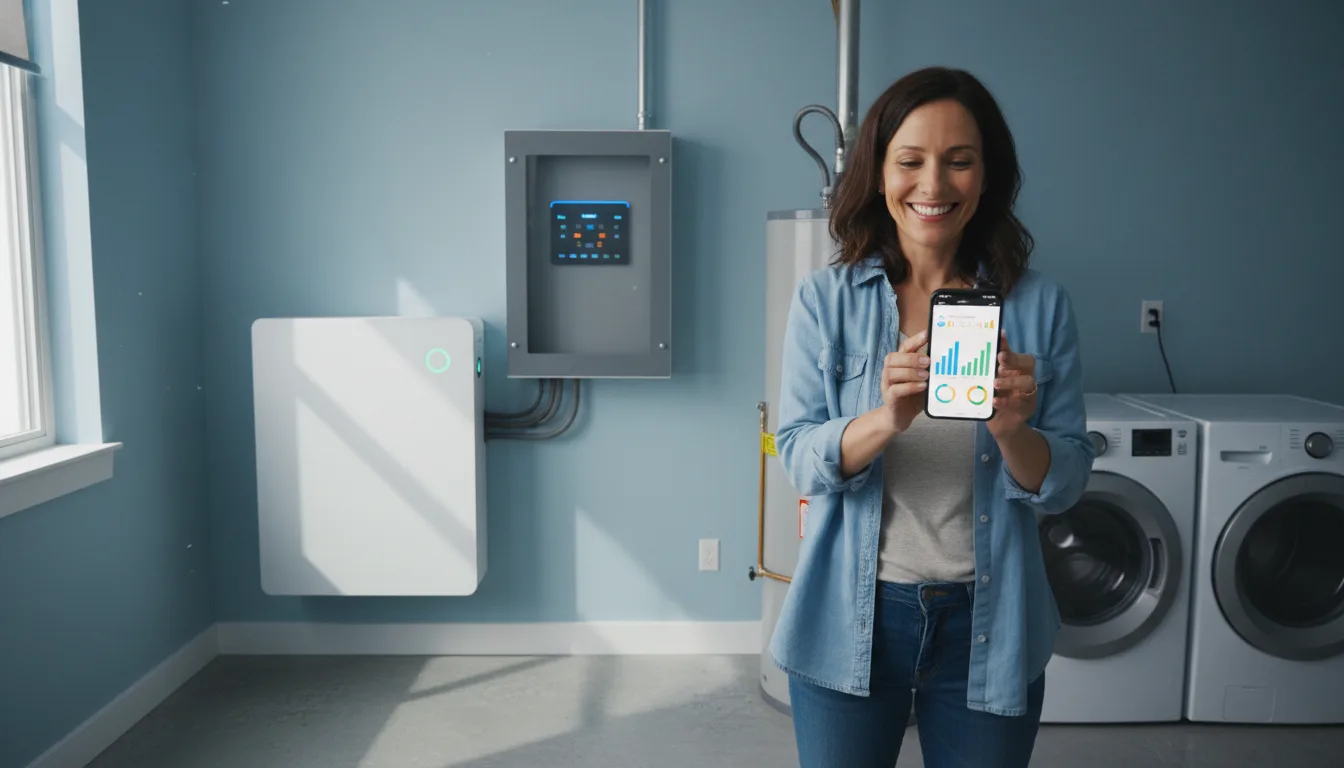
The federal government is actively pushing for home electrification. Fortunately, this means you do not have to shoulder the entire burden alone. Specifically, the Inflation Reduction Act (IRA) offers excellent financial incentives. These credits significantly lower the net smart electrical panel upgrade cost 2026.
Federal Tax Credits (25C)
Under the 25C tax credit, you can claim 30% of the project cost, up to a maximum of $600. Furthermore, this credit resets annually. Therefore, you can plan multiple home upgrades across different tax years. In addition, you must ensure your panel meets the National Electrical Code requirements.
HEEHRA Rebates for Low-to-Moderate Income
Beyond tax credits, the High-Efficiency Electric Home Rebate Act (HEEHRA) offers point-of-sale discounts. Specifically, low-income households can receive up to $4,000 for a panel upgrade. However, these funds are administered at the state level. Consequently, rollout timelines vary. For official details, always consult the Department of Energy’s savings hub.
Integration with Green Home Technologies
A smart panel rarely exists in isolation. Rather, it serves as the brain for your entire eco-friendly ecosystem. As we advance through 2026, integration is absolutely vital. Therefore, understanding these connections helps justify the smart electrical panel upgrade cost 2026.
Solar Panels and Bidirectional Charging
When you generate solar power, a smart panel routes that energy efficiently. For example, it will charge your electric vehicle when solar production peaks. Furthermore, if you utilize V2H technology, the panel manages the flow of electricity from your car back to your house. To learn more about this, read our comprehensive Guide to Smart Home Energy Systems.
AI Energy Management Systems
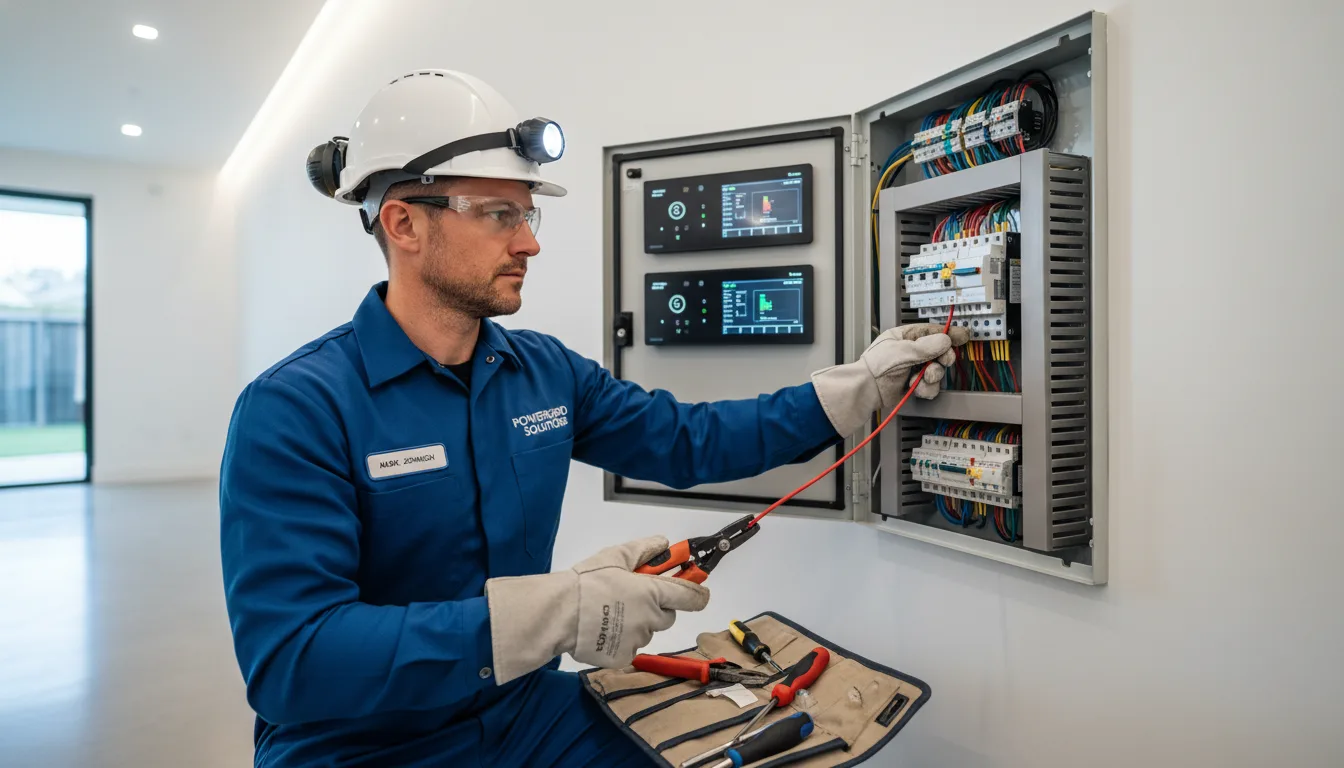
In 2026, artificial intelligence is revolutionizing home power. Specifically, AI algorithms analyze your historical usage patterns. Consequently, the panel automatically buys grid power when rates are cheap. Conversely, it switches to battery power during peak utility pricing. This seamless automation is discussed further in our AI Home Energy Management System Guide.
Choosing the Right Installer in 2026
Not all electricians are equipped to install smart panels. In fact, these devices require specialized network training. Therefore, choosing the right professional is critical. Consequently, a poor installation can lead to offline devices and wasted money.
What to Look For
- Brand Certification: Ensure the installer is certified by SPAN, Lumin, or Schneider Electric.
- Transparent Quotes: The quote must clearly separate hardware from labor. Thus, you can accurately assess your true smart electrical panel upgrade cost 2026.
- Permit Handling: The contractor should manage all municipal permits and utility interconnection agreements.
For more tips on electrifying your home safely, visit the experts at Rewiring America.
Frequently Asked Questions (FAQ)
Will a smart panel completely replace my current breaker box?
Yes. In most cases, a smart panel replaces your entire main electrical panel. However, some systems, like the Lumin edge, can be added as a sub-panel to your existing box.
Is the smart electrical panel upgrade cost 2026 worth it for a standard home?
It depends on your future plans. If you plan to add solar, a battery, or an EV charger, it is absolutely worth it. Conversely, if your home uses minimal electricity, a standard panel might suffice.
How long does the installation take?
Typically, a certified electrician can complete the swap in six to eight hours. Consequently, your home will be without power for most of the working day.
Can a smart panel lower my utility bill?
Yes. By tracking phantom loads and automatically avoiding peak pricing, many homeowners see a 10% to 20% reduction in their monthly bills.
Conclusion: Taking Control of Your Home Energy
Ultimately, transitioning to a sustainable home requires modern infrastructure. While the initial smart electrical panel upgrade cost 2026 may seem daunting, the long-term ROI is undeniable. Specifically, tax credits and daily energy savings quickly offset the upfront price. Furthermore, you gain complete peace of mind during grid outages. Therefore, there is no better time than now to take control of your energy consumption.
Calculate Your Smart Panel ROI Now

Written by Mangaleswaran
Mangaleswaran is the Founder of EcoDweller and a passionate advocate for sustainable living. He is dedicated to helping homeowners transition to eco-friendly technologies, drastically reduce their carbon footprint, and maximize their energy savings.