
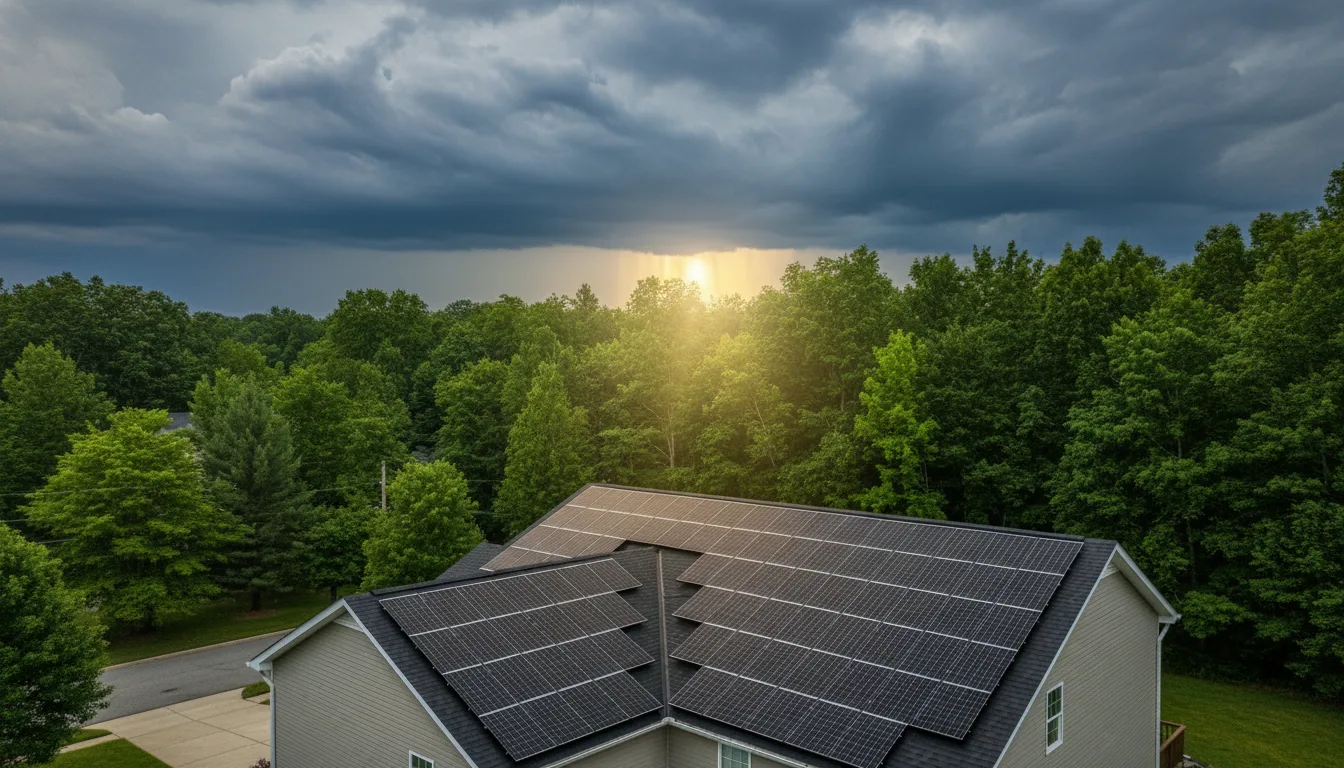
Are you hesitating to switch to renewable energy because you live in an overcast region? As we move through 2026, concerns about solar panel efficiency in cloudy weather are more common than ever. The good news is that modern photovoltaic (PV) technology has evolved past the point of needing direct, blazing sunlight to generate significant power. This guide will solve your climate-related energy anxiety by breaking down exactly how much power you can expect to generate when the skies turn gray.
Key Takeaways
- Panels Still Produce Power: Solar panels generate between 10% to 25% of their maximum capacity on heavily overcast days.
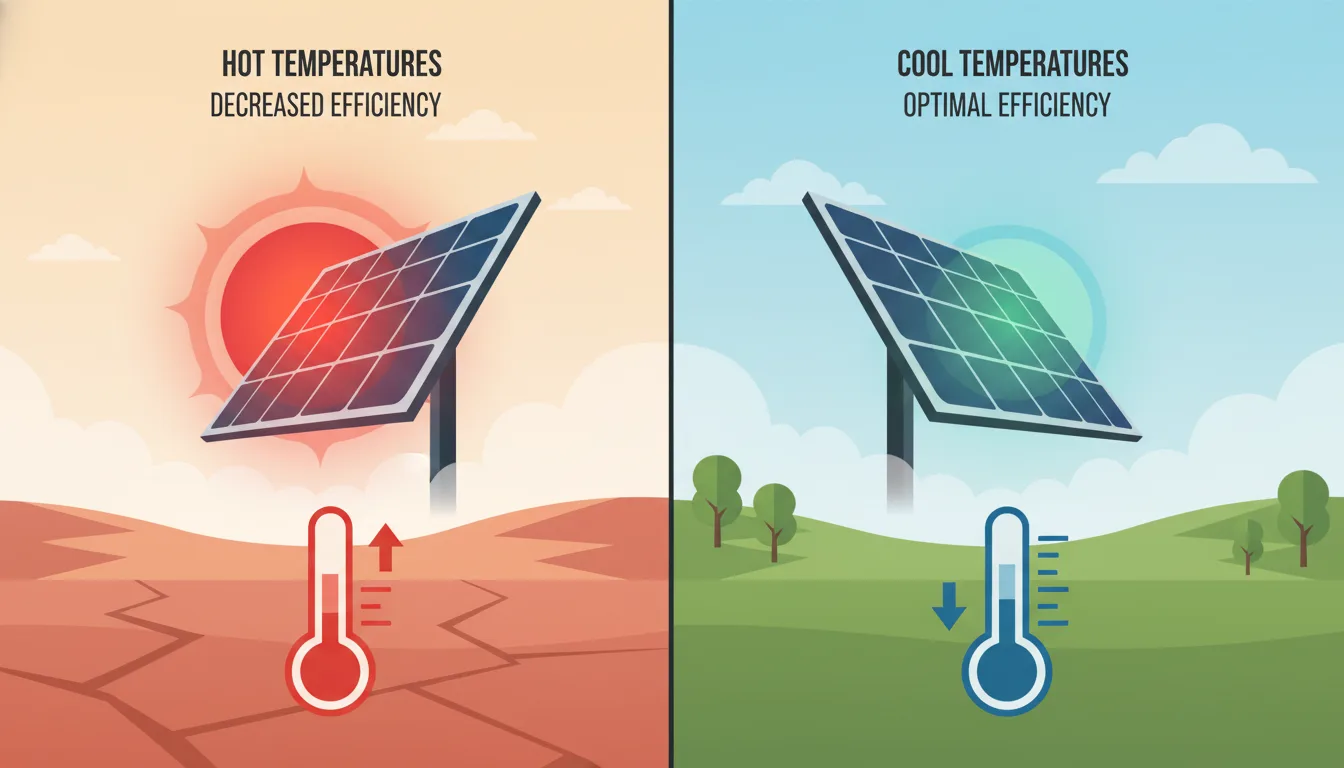
- Temperature Matters: Cooler, cloudy days actually prevent panels from overheating, a common issue that degrades efficiency in desert climates.
- Technology is Key: Upgrading to monocrystalline panels and microinverters drastically improves your solar panel efficiency in cloudy weather.
- Net Metering Saves the Day: Overproducing on sunny days and banking credits is the ultimate strategy for cloudy climates in the US and Canada.
Understanding Solar Panel Efficiency in Cloudy Weather
Many homeowners assume that solar panels require direct, unobstructed sunlight to function. However, solar cells process photons (light particles), not heat. Even when clouds obscure the sun, ambient and diffused light still reaches your roof. According to the Department of Energy (DOE), solar technologies are continuously advancing to better capture this diffused, indirect sunlight.
When analyzing solar panel efficiency in cloudy weather, it is essential to understand the concept of “edge-of-cloud” effects. Surprisingly, when the sun peeks out from behind thick clouds, the panels can experience a temporary spike in power output, sometimes even exceeding their rated capacity due to light reflection off the clouds.
How Much Power Do You Actually Lose?
To put things into perspective, let us look at how different weather conditions impact your daily solar yield. The table below illustrates estimated performance drops based on 2026 standard high-efficiency monocrystalline panels.
| Weather Condition | Sunlight Type | Estimated Efficiency Output |
|---|---|---|
| Clear, Sunny Day | Direct | 90% – 100% |
| Partly Cloudy | Mixed / Edge-of-cloud | 60% – 80% |
| Heavy Overcast / Rain | Diffused | 10% – 25% |
While the drop is significant, remember that energy systems are sized based on annual production averages, not day-to-day fluctuations. You can explore this further by checking out our Best Solar Panels for Cloudy Climates: 2026 High-Efficiency Guide.
Top Technologies Maximizing Performance
Not all solar panels are created equal. If you live in areas like the Pacific Northwest, the Northeastern US, or British Columbia, choosing the right equipment is critical for maintaining robust solar panel efficiency in cloudy weather.
First, always opt for Monocrystalline panels over Polycrystalline. They feature higher purity silicon, meaning they convert scattered photons much more effectively. Second, consider Half-cut cell technology, which splits the solar cells in half to reduce resistance and increase shade tolerance.
Advantages and Disadvantages of Solar in Overcast Climates
Before making a 2026 green energy investment, it helps to weigh the clear pros and cons of operating solar in less-than-ideal climates.
Advantages:
- Cooler Operating Temperatures: Heat degrades electronics. Cloudy climates generally stay cooler, preventing the thermal efficiency drop (temperature coefficient) seen in hot deserts.
- Rain Cleans the Panels: Frequent rain washes away dust, pollen, and bird droppings, naturally maintaining panel efficiency.
- Net Metering Advantages: Many cloudy states (like New York and Washington) have excellent net metering policies to balance out winter dips.
Disadvantages:
- Lower Winter Yields: Short days combined with heavy cloud cover mean significantly lower production in December and January.
- Need for Storage: To truly maximize independence, you may need a larger battery backup system, increasing initial costs.
Pro-Tip: Microinverters vs. String Inverters
If you are optimizing for solar panel efficiency in cloudy weather, always choose microinverters. Standard string inverters reduce the entire system’s output to the level of the worst-performing panel. If a cloud shadows one corner of your roof, microinverters ensure the unshaded panels still operate at maximum capacity! Learn more about overall system ROI in our guide: Residential Solar Power: Is It Worth It in the US.
How Does Solar Panel Efficiency in Cloudy Weather Impact Overall ROI?
When calculating your return on investment, do not hyper-fixate on overcast days. According to the Solar Energy Industries Association (SEIA), states with famously cloudy weather (like New Jersey and Massachusetts) consistently rank in the top 10 for solar adoption nationwide. Why? Because high local electricity rates make solar incredibly profitable, even if the panels generate 20% less annually than they would in Arizona.
For a detailed breakdown of your specific break-even point considering your local weather, use our 2026 Solar Panel Payback Period Calculator.
Frequently Asked Questions (FAQ)
Do solar panels work at night?
No, solar panels do not generate electricity at night. They require photons from sunlight (direct or diffused) to create direct current (DC) electricity. To power your home at night, you must rely on the grid (via net metering) or a solar battery storage system.
Does heavy rain damage solar panels?
Modern solar panels are highly durable and designed to withstand heavy rain, hail, and high winds. In fact, a good rainstorm helps clean debris off the panels, which can instantly boost your system’s output once the sun returns.
Should I still get solar if it snows frequently?
Yes. While heavy snow accumulation will block sunlight temporarily, panels are installed at an angle, and their dark surface absorbs heat, causing snow to slide off relatively quickly. The “albedo effect” (sunlight reflecting off white snow) can even boost production on clear winter days.
Conclusion: Embracing Solar in Any Climate
Worrying about solar panel efficiency in cloudy weather shouldn’t stop you from moving toward a sustainable future in 2026. With high-efficiency monocrystalline cells, smart microinverters, and favorable net metering programs, homeowners across North America are slashing their utility bills regardless of local weather patterns. A cloudy day is just a small hurdle in an otherwise incredibly lucrative and eco-friendly long-term investment.