
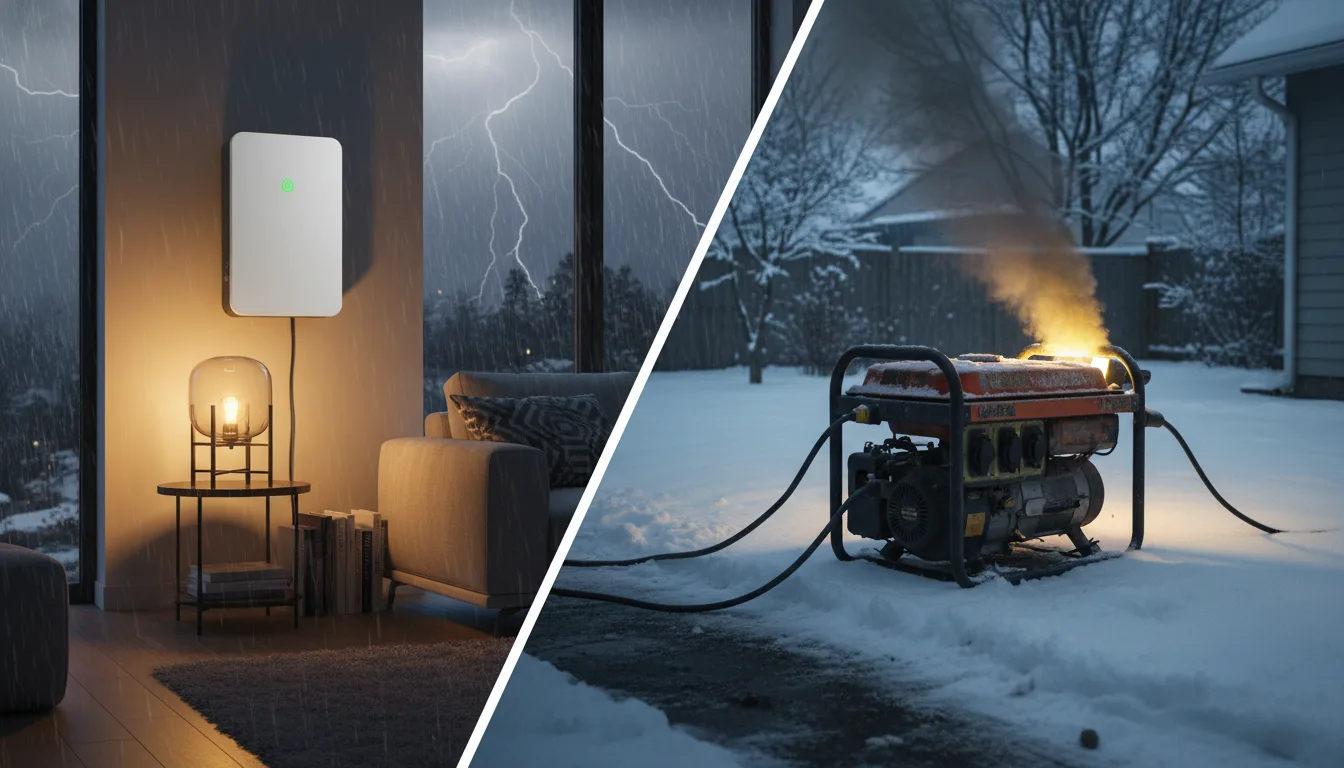
Last February, a massive ice storm knocked out our power for three agonizing days. Consequently, our house plunged into freezing darkness. I quickly realized our emergency preparedness was severely lacking. Therefore, I set out to permanently solve this problem. If you are struggling with grid instability in 2026, you face a critical decision. Specifically, you need to choose between a solar generator vs gas generator for home backup power. Both systems promise to keep your lights on. However, they operate in completely different ways.
Table of Contents
- ●Key Takeaways
- ●The Breaking Point: Why I Needed Reliable Backup Power
- ●The Shift to Clean Energy in 2026
- ●Breaking Down the Solar Generator vs Gas Generator for Home Backup
- ●The Gas Generator Experience: Loud, Smelly, but Powerful
- ●The Solar Generator Experience: Silent, Safe, but Dependent on Sun
- ●Cost Analysis: Which System Actually Saves You Money?
- ●Upfront Purchase Prices
- ●Long-Term Fuel and Maintenance Costs
- ●Hands-On Performance During a Multi-Day Outage
- ●Managing Loads and Battery Capacity
- ●Refueling vs. Recharging
- ●Advantages and Disadvantages Evaluated
- ●Gas Generator Pros and Cons
- ●Solar Generator Pros and Cons
- ●Integrating Your Backup with a Larger Energy Strategy
- ●Frequently Asked Questions (FAQ)
- ●Can a solar generator run a whole house?
- ●How long do solar generators last compared to gas?
- ●Is it safe to run a solar generator indoors?
- ●Final Verdict: My Personal Choice
I decided to test both technologies side-by-side. Furthermore, I tracked every expense, noise level, and maintenance hassle. Ultimately, my goal was to find the most reliable, cost-effective solution for unexpected outages. In this detailed guide, I will share exactly what I learned. Let us dive into the real-world performance of both options.
Key Takeaways
- Initial Cost vs. Long-Term Value: Gas generators are cheaper upfront. Conversely, solar generators win long-term with zero fuel costs.
- Safety and Placement: You can safely run solar units indoors. However, gas generators require strict outdoor placement due to carbon monoxide risks.
- Maintenance Needs: Gas units demand regular oil changes and fuel stabilizers. Meanwhile, solar options are virtually maintenance-free.
- Noise Levels: Solar power is entirely silent. Consequently, you will not annoy your neighbors or lose sleep during an overnight outage.
The Breaking Point: Why I Needed Reliable Backup Power
Our initial power loss was a frustrating wake-up call. Specifically, my refrigerator defrosted entirely within 24 hours. As a result, we lost hundreds of dollars in groceries. Furthermore, working from home became instantly impossible without Wi-Fi. I needed a solution fast.
Initially, I dragged out an old, dusty gasoline generator. Unfortunately, the carburetor was gummed up from stale fuel. Therefore, it refused to start. I spent two hours pulling the cord in the freezing cold. Consequently, I realized that relying on a high-maintenance machine during an emergency is a terrible strategy.
The Shift to Clean Energy in 2026
Grid outages are becoming increasingly common across North America. Therefore, traditional backup methods are showing their flaws. Many homeowners are integrating their backup power with smart home energy systems. This integration allows for seamless transitions when the grid fails. Consequently, the demand for clean, silent battery backups has skyrocketed.
I wanted a system that required zero mechanical expertise. In addition, I wanted something that would not pollute my backyard. This desire led me directly into the solar generator vs gas generator for home backup debate.

Breaking Down the Solar Generator vs Gas Generator for Home Backup
To make a fair comparison, I purchased a mid-sized unit of each type. Specifically, I bought a 3,000-watt inverter gas generator. Simultaneously, I invested in a 3,000-watt portable power station with solar panels. I tested them under heavy household loads.
The differences were immediately apparent. Furthermore, each system presented unique challenges. Let us break down the everyday reality of operating these machines.
The Gas Generator Experience: Loud, Smelly, but Powerful
Gasoline generators provide brute-force energy. Furthermore, as long as you have fuel, you have power. During my test, the gas unit easily handled my refrigerator, space heater, and lights. However, the noise was incredibly disruptive.
Operating at roughly 65 decibels, it sounded like a constant lawnmower outside my window. Additionally, I had to wake up at 3:00 AM to refill the gas tank. More importantly, the EPA strictly warns about carbon monoxide poisoning. Therefore, I had to place the unit far away from the house in the snow.
The Solar Generator Experience: Silent, Safe, but Dependent on Sun
Switching to the solar option felt like entering the future. First, I placed the battery unit directly in my living room. Because there are no emissions, it is 100% safe indoors. Furthermore, the operation was dead silent.
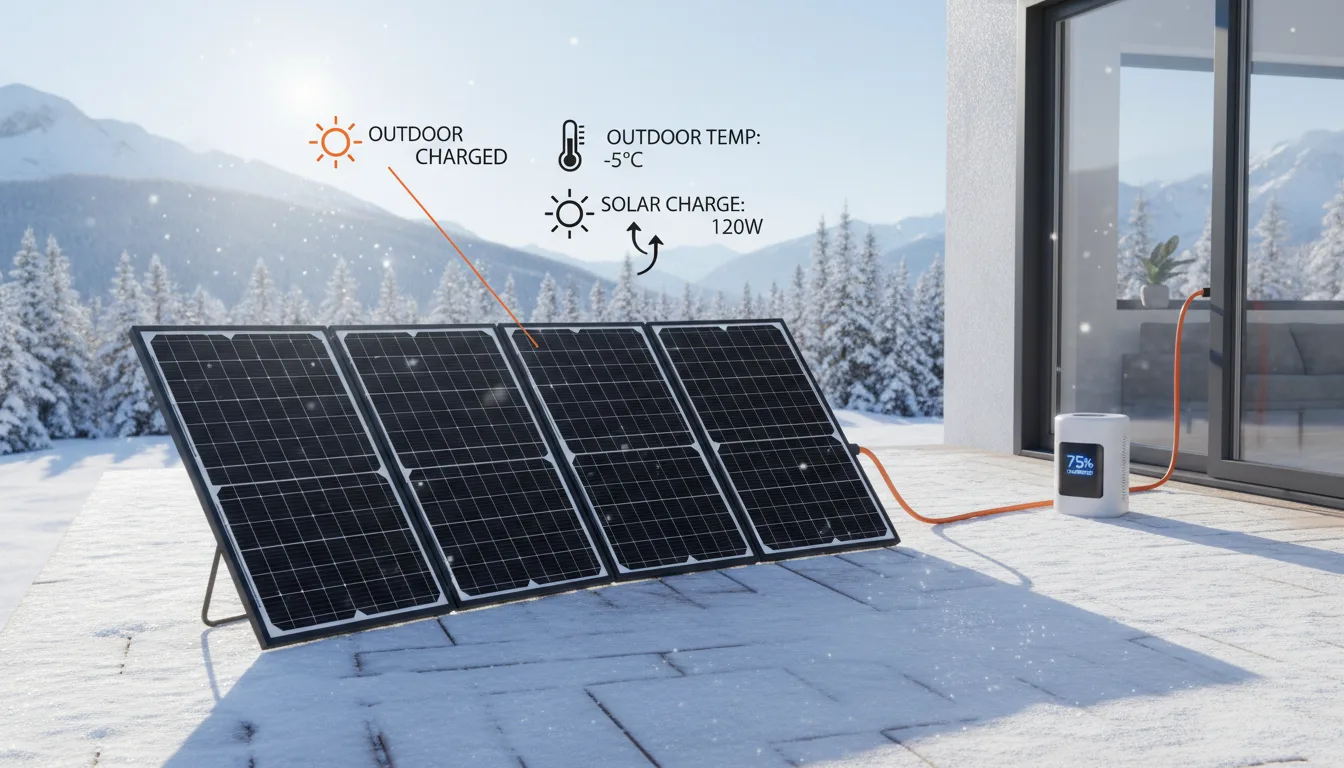
Modern units utilize Lithium Iron Phosphate (LiFePO4) batteries. Consequently, they last for thousands of charge cycles. However, the limitation is evident when the sun goes down. If you drain the battery overnight, you must wait for daylight to recharge. Therefore, power management becomes a critical skill.
Cost Analysis: Which System Actually Saves You Money?
Budget is often the deciding factor. Initially, comparing a solar generator vs gas generator for home backup seems lopsided. Gas generators appear much cheaper on day one. However, the long-term math tells a completely different story.
Let us look closely at the hidden expenses. Specifically, we must account for fuel, maintenance, and lifespan. The results might surprise you.
Upfront Purchase Prices
A reliable 3,000W gas unit costs roughly $800 to $1,200. Conversely, a comparable solar battery with heavy-duty panels will cost between $2,500 and $3,500. Therefore, the barrier to entry for solar is undeniably higher.
However, the government offers a 30% federal tax credit for battery storage in 2026. Consequently, this drastically reduces the sting of the initial purchase. You must factor this credit into your calculations.
Long-Term Fuel and Maintenance Costs
During a three-day outage, a gas generator can easily consume $60 to $80 in fuel. In addition, you must buy oil, spark plugs, and fuel stabilizers annually. Over a five-year period, these costs accumulate rapidly.
Meanwhile, the sun delivers free fuel daily. Consequently, the operating cost of a solar generator is precisely zero. Furthermore, there are no moving parts to break or lubricate.
| Feature | Gas Generator (3,000W) | Solar Generator (3,000W) |
|---|---|---|
| Initial Cost | $800 – $1,200 | $2,500 – $3,500 (Before Tax Credits) |
| Fuel Cost (3-Day Outage) | ~$75 | $0 |
| Noise Level | 60-75 Decibels (Loud) | 0 Decibels (Completely Silent) |
| Indoor Safety | No (Deadly CO Emissions) | Yes (Zero Emissions) |
| Maintenance Level | High (Oil, Filters, Fuel Management) | Zero |
If you rely on a solar setup during winter, keep a soft snow brush nearby. Specifically, snow buildup blocks UV rays instantly. Sweeping your portable panels every few hours will maintain a steady charging input even on overcast days.

Hands-On Performance During a Multi-Day Outage
Theoretical numbers are helpful. However, real-world survival dictates the true winner. I tested both units under the strict conditions of a simulated 48-hour grid failure. Consequently, the operational quirks of each system became glaringly obvious.
Managing the gas generator felt like a part-time job. I constantly checked oil levels and worried about fuel theft. Furthermore, I had to use thick extension cords to run power indoors. The Department of Energy advises heavy-duty cords to prevent electrical fires. Setting this up in the dark was frustrating.
Managing Loads and Battery Capacity
With the battery unit, load management was my primary responsibility. Specifically, I could not run my microwave and my coffee maker simultaneously. Doing so would drain the battery too fast. Therefore, I adopted an “energy diet.”
I ran the refrigerator in two-hour cycles. Consequently, the food stayed freezing cold, but I conserved massive amounts of energy. If you want a hands-off approach, you should investigate whole-home battery backup options instead of portable units. They automate load shedding for you.
Refueling vs. Recharging
Storing gasoline safely is a massive headache. Specifically, gas degrades over time. Therefore, you must rotate your supply every few months. During a regional blackout, local gas stations often lose power too. Consequently, you cannot buy more fuel when you run out.
Conversely, my solar panels kept pulling energy from the sky. It was a slower process, admittedly. However, it offered infinite resilience. I never felt the panic of a depleting gas tank.

Advantages and Disadvantages Evaluated
After thorough testing, I can clearly outline the strengths and weaknesses of each system. Your specific living situation will dictate which list appeals to you more. Therefore, review these points carefully before making an investment.
Gas Generator Pros and Cons
- Advantage: Lower upfront purchase price.
- Advantage: Instant, massive power on demand, regardless of weather.
- Advantage: Extremely easy to find replacements parts.
- Disadvantage: Requires storing highly flammable, expiring fuel.
- Disadvantage: Deafening noise levels during operation.
- Disadvantage: Lethal carbon monoxide risk if placed improperly.
Solar Generator Pros and Cons
- Advantage: Completely silent and emission-free operation.
- Advantage: 100% safe to operate inside an apartment or living room.
- Advantage: Zero fuel costs and virtually zero physical maintenance.
- Disadvantage: High initial investment cost.
- Disadvantage: Charging speeds plummet during heavy rain or thick clouds.
- Disadvantage: Lower overall surge wattage capacity compared to heavy gas models.
Integrating Your Backup with a Larger Energy Strategy
Buying a portable unit is often just the first step. Once you experience clean energy, you may want to expand. Specifically, many homeowners eventually transition to permanent rooftop arrays. If you are curious about the larger scale, check out my deep dive on whether residential solar power is worth it in the US.
Furthermore, technological advancements in 2026 are incredible. You can now use electric vehicles to power your house. Specifically, a V2H bidirectional charging system essentially turns your EV into a massive, mobile power station.
Frequently Asked Questions (FAQ)
Can a solar generator run a whole house?
A portable solar unit cannot run an entire house seamlessly. It can only run specific appliances plugged directly into it. However, a permanently installed whole-home battery system tied to rooftop panels can power your entire home.
How long do solar generators last compared to gas?
Modern LiFePO4 solar batteries boast a lifespan of 10 to 15 years before noticeable degradation. Conversely, a portable gas generator typically lasts 1,000 to 2,000 running hours. Therefore, solar generally offers greater longevity with less physical wear and tear.
Is it safe to run a solar generator indoors?
Yes, absolutely. Because they do not burn fuel, they emit zero carbon monoxide. Therefore, you can keep the battery unit right next to your couch or bed during a storm.
Final Verdict: My Personal Choice
After testing both systems thoroughly, my conclusion is definitive. Specifically, in the debate of a solar generator vs gas generator for home backup, solar wins for modern living. The peace of mind is simply unparalleled. I no longer worry about storing volatile fuels in my garage. Furthermore, I never have to endure the deafening roar of a gasoline engine.
While the upfront cost was painful, the long-term benefits are undeniably superior. Ultimately, an emergency backup should reduce your stress, not add mechanical chores to your plate. If you are ready to explore clean, quiet resilience for your family, take the next step. Calculate exactly what a permanent battery system would look like for your specific home.
Calculate Your Home Battery Backup Cost Today!

Written by Mangaleswaran
Mangaleswaran is a dedicated sustainable living expert and the founder of EcoDweller. With a deep passion for renewable energy, he specializes in simplifying complex green technologies—like solar power and home efficiency—for the modern homeowner. His mission is to empower individuals to reduce their environmental impact while building more cost-effective, eco-friendly homes for the future.
Follow on Facebook