
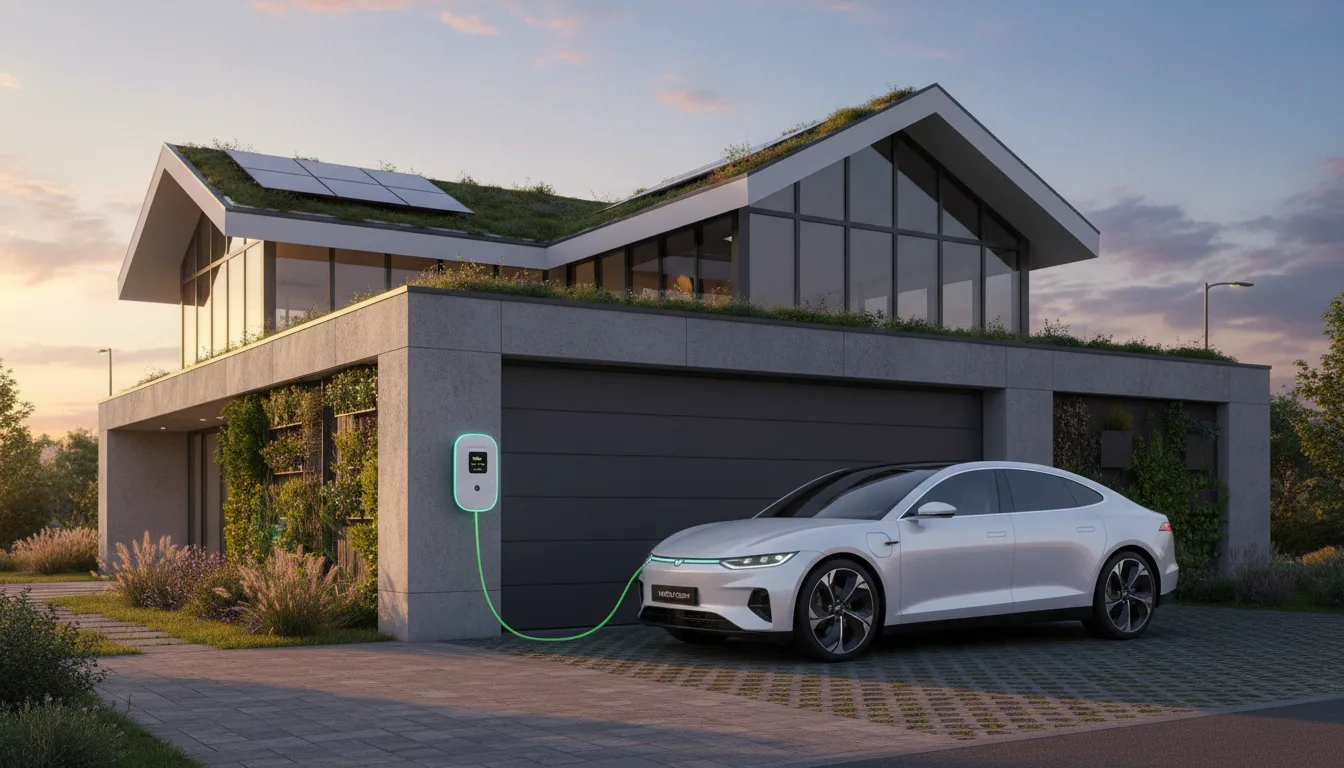
When a massive winter storm hit my neighborhood last year, most homes went dark for three days. However, my neighbor kept his entire house powered flawlessly. Specifically, he used his electric vehicle’s massive battery pack. This real-world resilience is driving explosive interest in Vehicle-to-Home (V2H) technology. Consequently, understanding the exact v2h bidirectional charging system cost 2026 is critical for homeowners. By 2026, leveraging your car as a backup power plant is highly viable. Therefore, this guide breaks down the financial realities. We will explore ROI, installation fees, and available tax incentives. Ultimately, you will know if this green investment makes sense for your household.
Table of Contents
- Key Takeaways
- Decoding the V2H Bidirectional Charging System Cost 2026
- Hardware Components Impacting the V2H Bidirectional Charging System Cost 2026
- Labor and Installation Fees
- V2H vs. Traditional Home Batteries
- Capacity and Power Differences
- Return on Investment (ROI)
- Advantages and Disadvantages of V2H Systems
- The Advantages
- The Disadvantages
- Federal and State Incentives for 2026
- Federal Tax Credits
- State and Local Rebates
- Preparing Your Home for V2H Integration
- Electrical Panel Requirements
- Frequently Asked Questions (FAQ)
- Conclusion: Is the Investment Worth It?
Key Takeaways
- Average Total Cost: Expect to pay between $5,500 and $10,500 fully installed in 2026.
- Tax Incentives: The Inflation Reduction Act provides up to a 30% tax credit for qualified installations.
- Energy Independence: An EV battery holds roughly 5 to 10 times more power than a standard home battery.
- Grid Savings: Peak-shaving allows you to power your home during expensive electricity rate hours, drastically cutting bills.
Decoding the V2H Bidirectional Charging System Cost 2026
Currently, upgrading your home grid is a major financial decision. Furthermore, equipment prices vary wildly across North America. Therefore, homeowners must analyze multiple cost layers. Let us examine the core expenses. Specifically, we will break down hardware, labor, and permits. This ensures you avoid hidden surprises.
Hardware Components Impacting the V2H Bidirectional Charging System Cost 2026
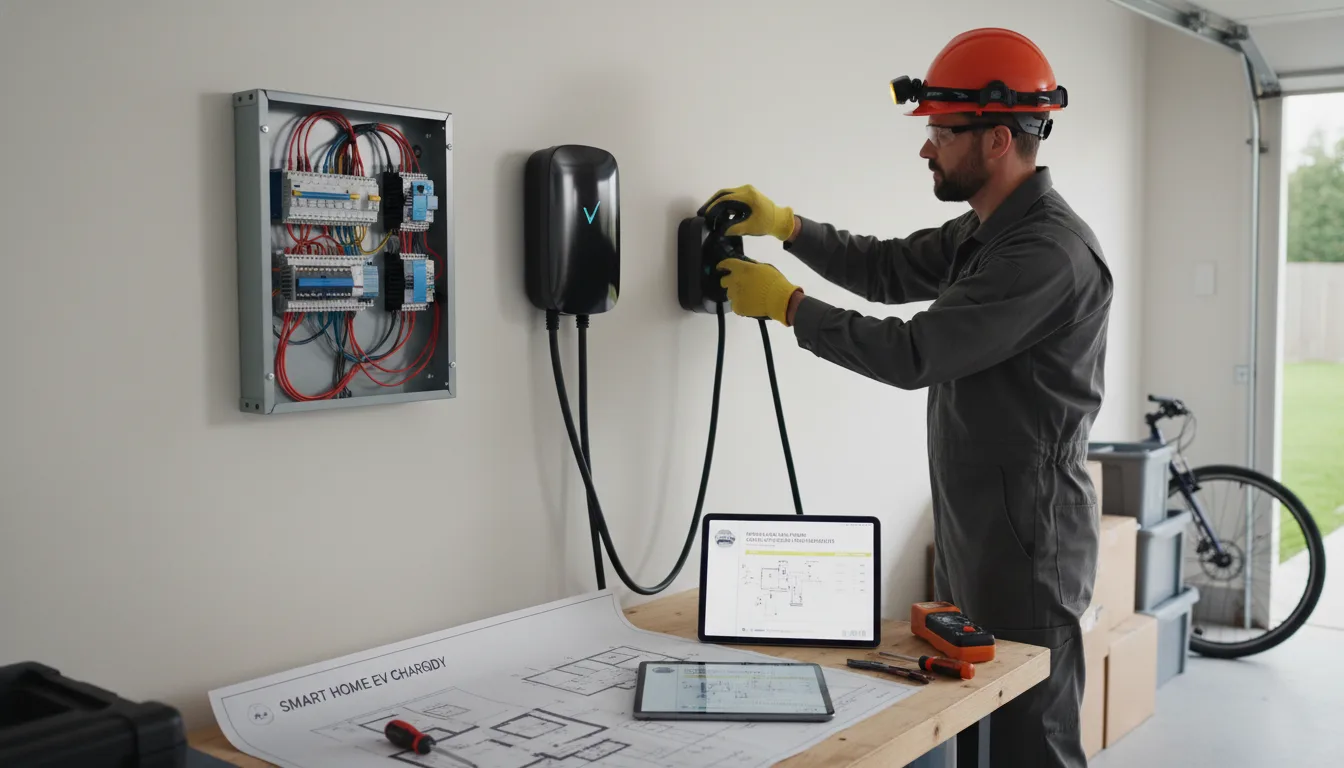
First, the bidirectional charger itself is the largest hardware expense. Typically, these advanced units range from $4,000 to $6,000. In addition, you need a compatible transfer switch or home integration kit. Consequently, this adds another $1,500 to your budget. Moreover, some homes require a dedicated inverter. Therefore, total hardware costs can escalate quickly.
Labor and Installation Fees
Labor costs remain a significant factor in 2026. Specifically, master electricians charge premium rates for complex grid integrations. Furthermore, labor can range from $1,500 to $3,500. This depends heavily on your existing electrical panel. For instance, upgrading an old 100-amp panel to 200 amps will add roughly $2,500. Thus, a thorough home assessment is mandatory.
| Expense Category | Estimated Cost Range (2026) | Cost Factor |
|---|---|---|
| Bidirectional Charger Unit | $4,000 – $6,000 | Brand and power output |
| Home Integration Kit / Transfer Switch | $1,500 – $2,500 | System complexity |
| Labor & Installation | $1,500 – $3,500 | Location and panel upgrades |
| Permits & Grid Inspections | $300 – $800 | Local municipal fees |
V2H vs. Traditional Home Batteries
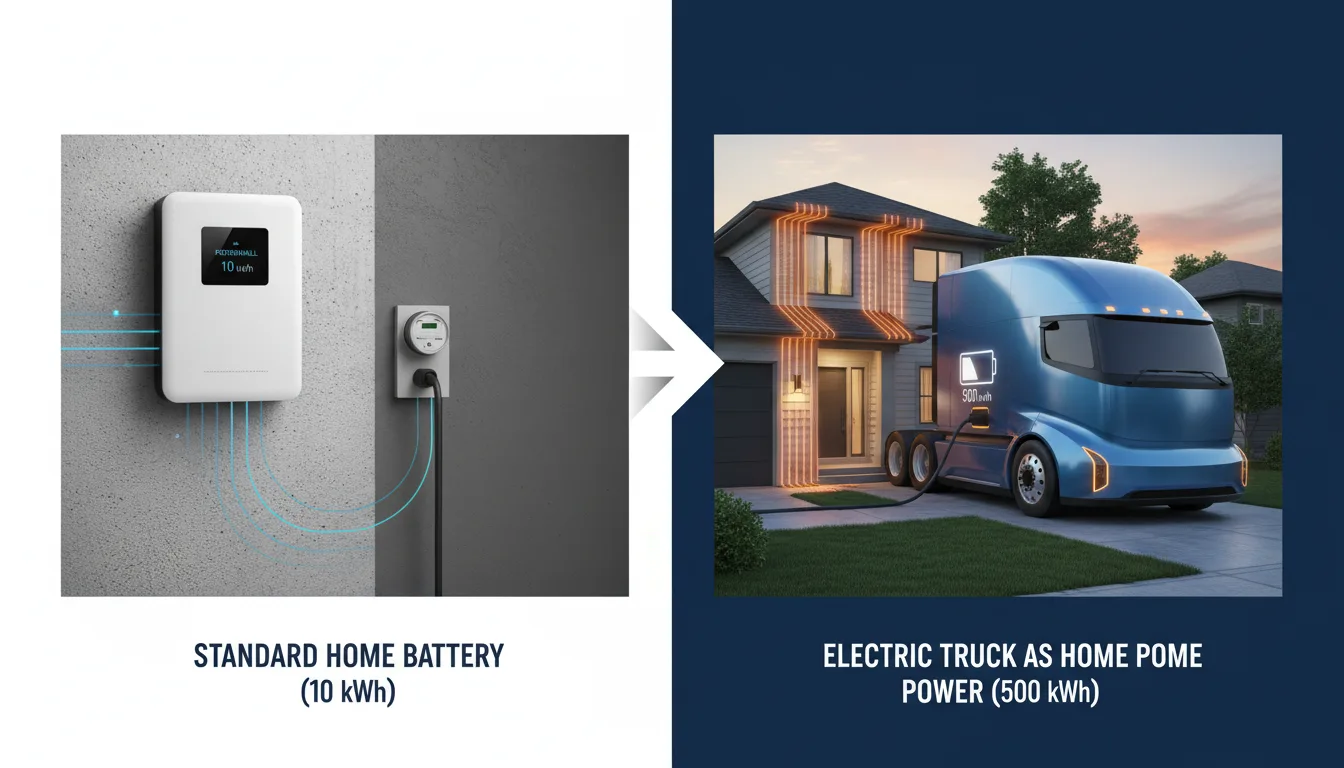
Many homeowners wonder if a dedicated wall battery is better. However, the math strongly favors V2H technology in 2026. Specifically, an average EV battery holds 60 to 100 kWh of energy. Conversely, a standard home wall battery holds only 10 to 13 kWh. Therefore, your car provides significantly more backup power. To compare alternative storage costs, review our guide on home battery backup cost.
Capacity and Power Differences
Firstly, an EV can power a standard American home for nearly a week. Meanwhile, a single wall battery might only last 12 to 24 hours. Furthermore, buying multiple wall batteries costs upwards of $20,000. Consequently, utilizing the battery already sitting in your garage is highly efficient. This synergy is central to modern smart home energy systems.
Return on Investment (ROI)
Calculating your ROI depends on your local utility rates. Specifically, time-of-use (TOU) rates make V2H incredibly lucrative. During peak evening hours, electricity is extremely expensive. Therefore, your home draws free power from your car instead. Later, your car recharges overnight when rates drop. Ultimately, this daily arbitrage slashes your utility bills drastically.
Always check with your utility provider before installation. Some companies offer specific V2H rebate programs. Furthermore, integrating your charger with an AI home energy management system maximizes your daily savings automatically. Set your system to strictly discharge during the highest rate windows.
Advantages and Disadvantages of V2H Systems
No technology is completely flawless. Therefore, understanding both sides is vital. Below, we dissect the pros and cons of adopting V2H.
The Advantages
- Massive Backup Power: Survive multi-day grid outages effortlessly.
- Financial Arbitrage: Avoid paying expensive peak grid rates entirely.
- Increased Property Value: Eco-upgrades make homes more desirable to buyers.
- Sustainability: Reduces overall reliance on fossil fuel peaking power plants.
The Disadvantages
- High Initial Cost: The upfront capital expenditure remains steep.
- Battery Degradation: Frequent cycling may slightly accelerate EV battery wear.
- Vehicle Dependency: If your car is not home during a daytime outage, you have no backup power.
- Compatibility Limits: Not all electric vehicles currently support bidirectional charging in 2026.
Federal and State Incentives for 2026
Fortunately, the government heavily subsidizes these eco-friendly upgrades. Furthermore, the Inflation Reduction Act (IRA) provides robust support through 2032. Consequently, you can drastically lower your effective costs. For official IRS guidance, visit Energy.gov.

Federal Tax Credits
Under current 2026 tax codes, bidirectional chargers qualify for the Alternative Fuel Vehicle Refueling Property Credit. Specifically, homeowners can claim up to 30% of the hardware and installation costs. However, this credit is capped at $1,000 for residential properties. Therefore, it provides a solid, albeit limited, financial cushion.
State and Local Rebates
In addition to federal aid, numerous states offer local incentives. For example, California and New York provide aggressive rebates for grid-interactive equipment. Moreover, local utility companies often pay you a yearly dividend for participating in virtual power plant programs. Thus, combining these rebates significantly offsets the v2h bidirectional charging system cost 2026.
Preparing Your Home for V2H Integration
Before purchasing equipment, you must prepare your household. Furthermore, electrical demands require careful planning. First, evaluate your current daily energy consumption. Consequently, this determines if your EV battery can sustain your lifestyle. For more tips on reducing usage, read our guide to electrify your life securely.
Electrical Panel Requirements
Most V2H systems demand a modern 200-amp service panel. Therefore, older homes will likely require expensive upgrades. Furthermore, your electrician must install an isolation relay. Specifically, this prevents your car from backfeeding deadly voltage onto dead neighborhood power lines during an outage. Safety remains paramount.
Frequently Asked Questions (FAQ)
Will using V2H void my electric vehicle’s warranty?
Generally, no. Major automakers supporting bidirectional charging explicitly cover V2H usage. However, always review your specific warranty terms. Furthermore, only use manufacturer-approved charging hardware to ensure full coverage.
How long does the installation process typically take?
The physical installation usually takes one to two days. Nevertheless, securing municipal permits and utility approvals can take several weeks. Therefore, start the administrative process early to avoid frustrating delays.
Does the v2h bidirectional charging system cost 2026 include the vehicle?
No, the estimated $5,500 to $10,500 cost only covers the charging station, transfer switch, and home installation labor. Consequently, you must already own a compatible electric vehicle to utilize the system.
Can I combine V2H with residential solar panels?
Absolutely. In fact, combining V2H with solar creates the ultimate microgrid. During the day, sunlight powers your home and charges the car. Conversely, at night, the car powers your home. This nearly eliminates utility dependency.
Conclusion: Is the Investment Worth It?
Ultimately, investing in Vehicle-to-Home technology represents the future of energy resilience. While the initial v2h bidirectional charging system cost 2026 is substantial, the long-term benefits are undeniable. Specifically, you gain unparalleled blackout protection and daily financial savings. Furthermore, generous tax incentives make the transition highly attainable. Therefore, taking control of your energy independence has never been more achievable. Stop letting power outages disrupt your life. Instead, turn your driveway into a personal power plant.

Written by Mangaleswaran
Mangaleswaran is the Founder of EcoDweller and a passionate advocate for sustainable living. He is dedicated to helping homeowners transition to eco-friendly technologies, drastically reduce their carbon footprint, and maximize their energy savings.