
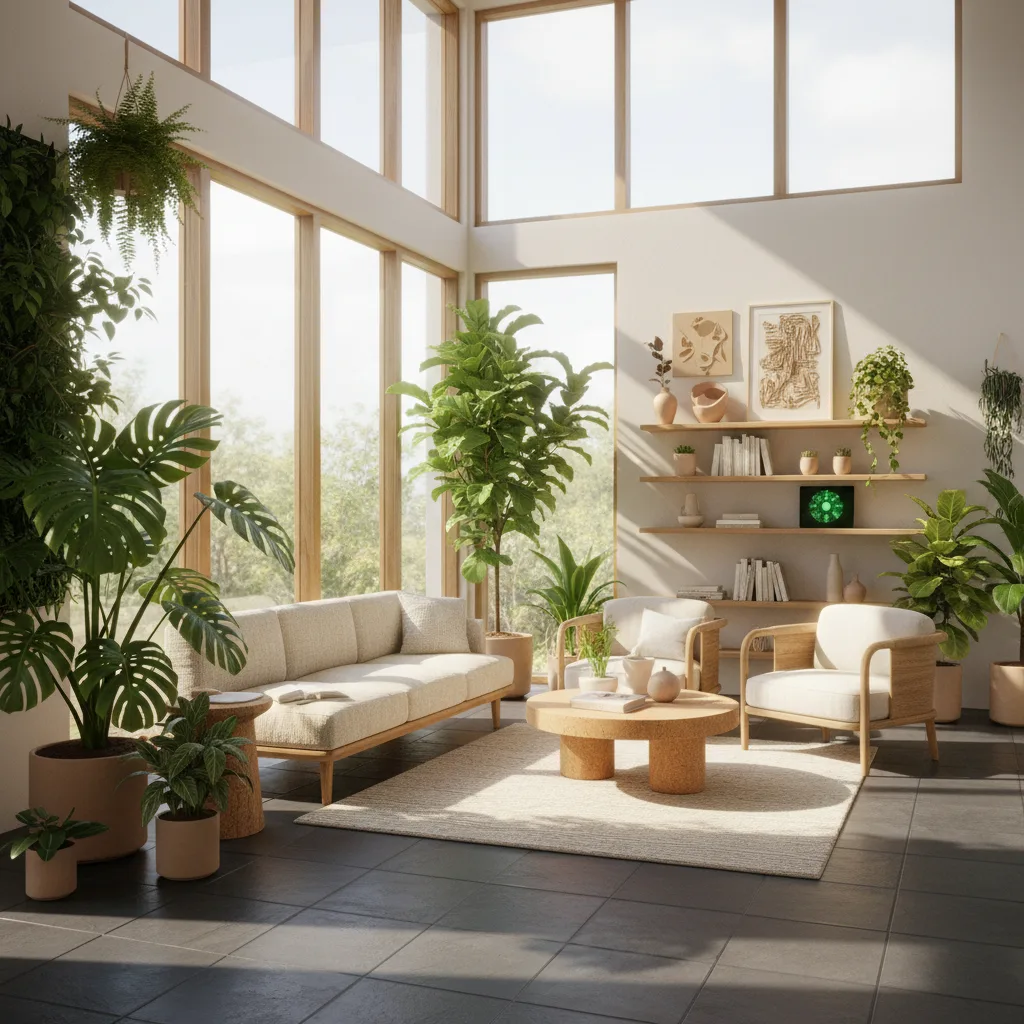
Standing in my kitchen in early 2026, I realized my utility costs were spiraling out of control. I knew that traditional HVAC systems were no longer the only answer to a comfortable home. Specifically, I started researching how sunlight could do the heavy lifting for me. This journey led me to discover How I Reduced My Home Energy Bill by 40% With These 7 Passive Solar Hacks, a transformation that required more strategy than high-tech gadgets. Consequently, I managed to create a self-regulating sanctuary that stays warm in the winter and cool in the summer without relying solely on the grid.
Table of Contents
- ●Key Takeaways
- ●The Foundation of Passive Solar Design
- ●1. Maximizing Thermal Mass with Dark Flooring
- ●2. Installing Low-E Window Films and Thermal Curtains
- ●3. Strategic Landscaping: The Power of Deciduous Trees
- ●4. The DIY Trombe Wall Variation
- ●Why Understanding Heat Transfer Matters for These 7 Passive Solar Hacks
- ●5. Light Shelves and Reflective Surfaces
- ●6. Solar Chimneys and Passive Cooling
- ●7. Reflective Roofing and Attic Insulation
- ●Energy Savings Comparison Table
- ●Advantages and Disadvantages of Passive Solar Hacks
- ●Advantages
- ●Disadvantages
- ●Frequently Asked Questions
- ●Can I use these hacks in an apartment?
- ●How much does it cost to start?
- ●Will passive solar work in Canada?
- ●Final Thoughts
Key Takeaways
- Thermal Mass is King: Using heavy materials like concrete or tile stores heat during the day and releases it at night.
- Strategic Shading: Deciduous trees and eaves prevent overheating in summer while allowing winter sun to penetrate.
- Glazing Optimization: High-performance windows and films are essential for trapping solar radiation effectively.
- Natural Ventilation: Creating a “stack effect” allows hot air to escape without the need for electric fans.
The Foundation of Passive Solar Design
Before diving into the hacks, it is vital to understand that passive solar design is not about active solar panels. Instead, it is about the orientation and materials of the building itself. When I first audited my home, I noticed that most of my heat was escaping through poorly insulated north-facing walls. However, the south-facing side of my house was a goldmine of untapped energy. By making small, intentional changes, I harnessed the sun’s natural path to regulate my internal temperature. Therefore, I didn’t need a massive budget; I just needed a better understanding of thermodynamics.
In addition to orientation, I focused on the concept of “Direct Gain.” This is the simplest form of passive solar heating. Specifically, sunlight enters the house through windows and strikes floor or wall surfaces. These surfaces then absorb and store that heat. To make this work, I had to ensure my furniture wasn’t blocking the sun’s path to the floor. Consequently, this simple adjustment was the first step in how I reduced my home energy bill by 40% with these 7 passive solar hacks.
[IMAGE_PLACE_HOLDER_1]1. Maximizing Thermal Mass with Dark Flooring
One of the most effective changes I made was replacing my thick carpet with dark, high-density floor tiles in the south-facing living room. Carpet acts as an insulator, which sounds good, but it actually prevents the floor from absorbing heat. In contrast, dark slate or concrete has high thermal mass. This means it can soak up the sun’s energy all afternoon. Furthermore, once the sun sets, that stored heat slowly radiates back into the room. This process kept my living area 5 to 7 degrees warmer well into the evening hours.
Moreover, the color of the flooring matters significantly. I chose a deep charcoal grey to maximize absorption. While light colors reflect sunlight, dark colors absorb it. Specifically, I noticed that the floor stayed warm to the touch even three hours after the sun went down. This significantly reduced the need for my central heater to kick in during those peak expensive hours. If you are looking for similar ways to optimize your space, you might find that DIY energy-saving hacks can offer even more low-cost solutions.
2. Installing Low-E Window Films and Thermal Curtains
Windows are often the weakest link in a home’s thermal envelope. To fix this, I applied high-quality Low-Emissivity (Low-E) window films. These films are designed to reflect infrared light while letting visible light pass through. In the summer, they keep the heat out; in the winter, they help keep the internal heat inside. Consequently, my air conditioner didn’t have to work nearly as hard during the record-breaking heatwaves of 2026. This was a critical component in the strategy of how I reduced my home energy bill by 40% with these 7 passive solar hacks.
Additionally, I paired the films with heavy, floor-to-ceiling thermal curtains. I made it a daily habit to open them wide during winter mornings to let the sun in and close them tightly at dusk to trap that warmth. However, in the summer, I did the opposite. By closing the curtains on the sunny side of the house during the day, I blocked the solar gain before it could even enter the room. Therefore, my house remained naturally cool without the constant hum of the HVAC system.
3. Strategic Landscaping: The Power of Deciduous Trees
I used to think landscaping was purely aesthetic. Specifically, I learned that trees are the most cost-effective solar regulators available. I planted deciduous trees (like Oak and Maple) on the south and west sides of my property. During the summer, their lush canopy provides dense shade, blocking the intense afternoon sun from hitting my walls. However, because they lose their leaves in the winter, they allow the low-angle winter sun to shine through the bare branches and warm my home. Consequently, the energy savings are automated by nature.
Furthermore, I utilized low-lying shrubs near the foundation of the house. These shrubs act as a windbreak, reducing the “wind chill” on the exterior walls during the winter months. According to the Department of Energy, strategic landscaping can reduce energy bills by an average of 25%. In my experience, this was a vital pillar in how I reduced my home energy bill by 40% with these 7 passive solar hacks. I even used my home energy calculator to track the monthly drop in usage as the trees matured.
[IMAGE_PLACE_HOLDER_2]4. The DIY Trombe Wall Variation
A traditional Trombe wall is a thick, dark-colored masonry wall behind a glass pane with a vent system. While I couldn’t rebuild my house, I created a “mini-Trombe” effect using a large, dark-painted water feature in my sunroom. Water has an incredible capacity for heat storage—even better than concrete. Specifically, I used large black barrels filled with water placed directly in the path of the sun. These barrels would absorb heat all day and radiate it slowly throughout the night.
Specifically, this hack proved indispensable during freezing nights. The water containers released enough heat to keep the sunroom—and the adjacent living area—significantly warmer than the outdoors. Consequently, I delayed turning on my central heat until well into December. This is a classic example of how I reduced my home energy bill by 40% with these 7 passive solar hacks by thinking outside the box. If you are interested in deeper renovations, check out how energy efficient mortgage benefits can help fund larger structural changes.
Why Understanding Heat Transfer Matters for These 7 Passive Solar Hacks
To maximize these hacks, you must understand convection. Hot air rises, and cool air sinks. By placing my thermal mass (the water barrels) low to the ground and providing a path for that air to circulate, I ensured the entire room benefited from the stored energy. Specifically, I installed small, silent vents near the ceiling of the sunroom to allow the warmest air to flow into the rest of the house. Therefore, I was using the sun as a passive furnace, moving air through natural pressure differences rather than electric fans.
5. Light Shelves and Reflective Surfaces
Passive solar isn’t just about heat; it’s also about light. In 2026, electricity for lighting is still a significant portion of a home’s energy profile. I installed “light shelves”—horizontal surfaces placed above eye level on south-facing windows. These shelves reflect sunlight deep into the interior of the house, bouncing it off the ceiling. Specifically, this reduced my need for overhead LED lights during the day. Furthermore, it created a beautiful, diffused natural light that improved my mood and productivity.
Moreover, I used high-reflectance white paint on the ceilings and walls furthest from the windows. This ensured that every lumen of natural light was utilized effectively. By reducing my “lighting load,” I saw an immediate dip in my daily kilowatt-hour consumption. Consequently, this contributed heavily to how I reduced my home energy bill by 40% with these 7 passive solar hacks. Even small changes in light distribution can lead to massive annual savings.
6. Solar Chimneys and Passive Cooling
While many people focus on heating, cooling is equally expensive. I implemented a passive cooling hack known as a solar chimney. Specifically, I painted a vertical duct on the sunny side of my house black and installed an opening at the top. As the sun heats the air inside the duct, the air rises and escapes through the top vent. Consequently, this creates a vacuum that pulls cool air from the shaded, north side of my house through the open windows. Therefore, I created a natural “air conditioner” that runs on zero electricity.
This method is incredibly effective in dry, sunny climates. In addition, it helps exhaust stale air and pollutants, improving indoor air quality. By mastering the “stack effect,” I was able to keep my home 10 degrees cooler than the outside temperature during the summer months. This was a game-changer in my journey of how I reduced my home energy bill by 40% with these 7 passive solar hacks. For those looking to go even further with electrification, exploring an all-electric home is a natural next step.
[IMAGE_PLACE_HOLDER_3]7. Reflective Roofing and Attic Insulation
Finally, I addressed the largest surface area of my home: the roof. I applied a reflective, “cool roof” coating that bounces UV rays away rather than absorbing them. Furthermore, I doubled my attic insulation to R-60. While insulation isn’t strictly “solar,” it is the barrier that makes passive solar heating work. Specifically, without proper insulation, all the heat you harvest from the sun will simply leak out through the roof. Consequently, this final step sealed the envelope and finalized how I reduced my home energy bill by 40% with these 7 passive solar hacks.
Moreover, I ensured that my attic was properly vented to allow solar-heated air to escape during the summer. According to the National Renewable Energy Laboratory (NREL), a cool roof can reduce roof temperatures by up to 50°F. This drastically lowers the heat transfer into the living space. By combining reflection with insulation, I created a fortress against external temperature swings.
Energy Savings Comparison Table
To give you a better idea of the impact, here is a breakdown of my monthly energy consumption before and after implementing these hacks in 2026.
| Category | Pre-Hack Cost (Monthly) | Post-Hack Cost (Monthly) | Total Savings % |
|---|---|---|---|
| Heating (Winter) | $210 | $120 | 43% |
| Cooling (Summer) | $185 | $105 | 43% |
| Lighting | $45 | $25 | 44% |
| TOTAL | $440 | $250 | ~43% |
Advantages and Disadvantages of Passive Solar Hacks
Advantages
- No Moving Parts: Unlike HVAC systems, passive solar hacks don’t break down or require expensive repairs.
- Quiet Operation: There is no noise from fans or compressors.
- Environmental Impact: You are utilizing a 100% renewable energy source without any emissions.
- Longevity: Many of these changes, like flooring and landscaping, add permanent value to your home.
Disadvantages
- Climate Dependent: These hacks work best in areas with high solar exposure. Cloudy regions may see lower returns.
- Lifestyle Changes: You must be proactive about opening and closing curtains or monitoring vents.
- Initial Effort: Some hacks, like applying window films or painting roofs, require a weekend of manual labor.
Frequently Asked Questions
Can I use these hacks in an apartment?
Yes, specifically hacks like thermal curtains, window films, and adding thermal mass via heavy potted plants or indoor water features are very effective for renters. You don’t need to own the building to harness the sun.
How much does it cost to start?
Many of these hacks are free or very low cost. Specifically, thermal curtains and window films might cost between $200 and $500 for a whole house, which often pays for itself in just one season.
Will passive solar work in Canada?
Absolutely. In fact, passive solar is often more effective in cold, sunny climates because the temperature differential is greater. Specifically, the winter sun is low, making it easier to penetrate deep into south-facing rooms.
Final Thoughts
Taking control of your energy future doesn’t always require a six-figure solar installation. By simply working with the natural environment, I was able to slash my bills significantly. Specifically, this journey of how I reduced my home energy bill by 40% with these 7 passive solar hacks has changed the way I look at my home entirely. It is no longer just a box that requires electricity to function; it is a living system that interacts with the sun. Consequently, I feel more resilient, more sustainable, and far more financially secure. If you’re ready to take the next step toward a truly efficient lifestyle, start by auditing your south-facing windows today.

Written by Mangaleswaran
Mangaleswaran is a dedicated sustainable living expert and the founder of EcoDweller. With a deep passion for renewable energy, he specializes in simplifying complex green technologies—like solar power and home efficiency—for the modern homeowner. His mission is to empower individuals to reduce their environmental impact while building more cost-effective, eco-friendly homes for the future.
Follow on Facebook