
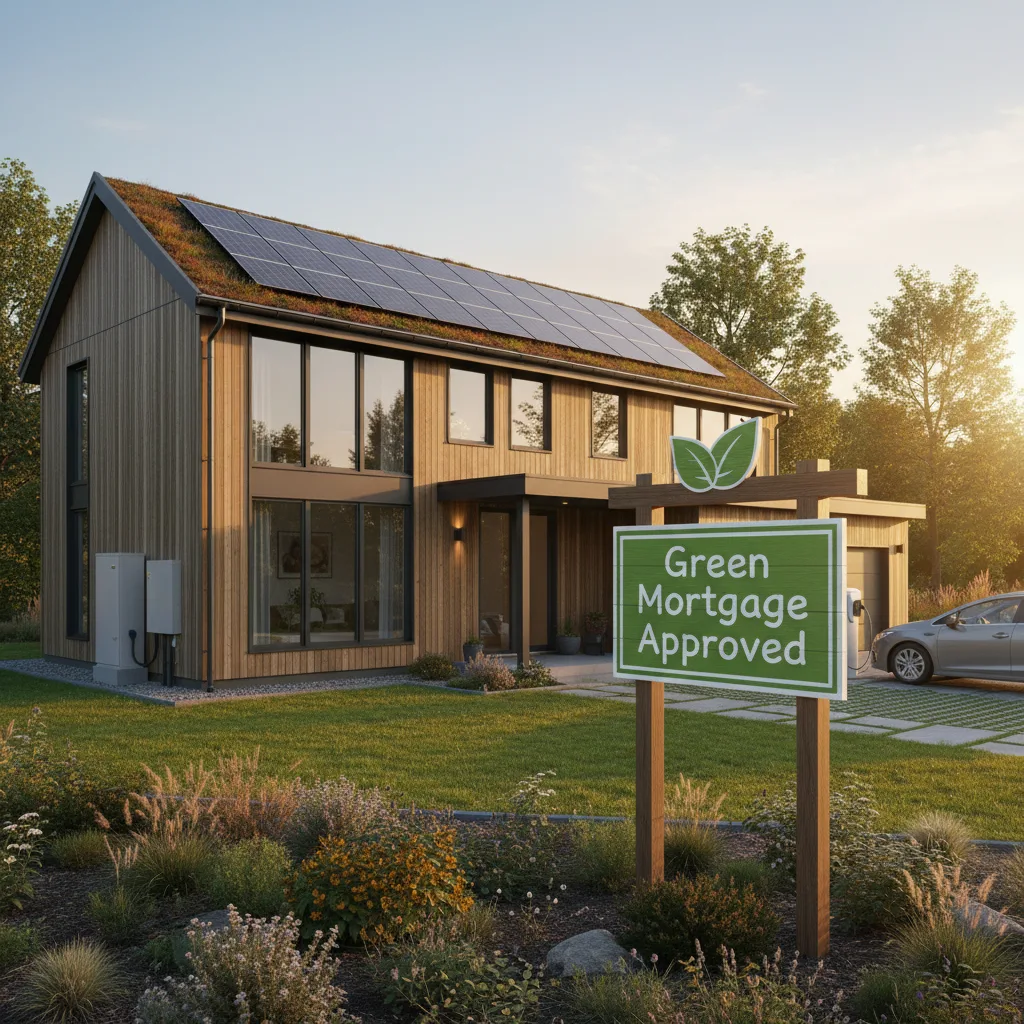
When I first entered the housing market in early 2026, the high interest rates felt like a massive wall. However, I soon discovered that energy efficient mortgage benefits could serve as a secret key to unlocking lower monthly payments. Most homeowners overlook these financial incentives because they sound overly technical or bureaucratic. In reality, these programs reward you for making choices that reduce your carbon footprint and monthly utility bills.
Table of Contents
- ●Key Takeaways
- ●Understanding the Core Energy Efficient Mortgage Benefits
- ●How EEMs Calculate Your Savings
- ●Comparing Green Mortgage Options in 2026
- ●The Impact of Green Certification
- ●Advantages and Disadvantages of Green Financing
- ●Advantages
- ●Disadvantages
- ●Step-by-Step Guide to Applying for an EEM
- ●Why 2026 is the Best Year to Act
- ●Frequently Asked Questions
- ●Can I use an EEM for a home I already own?
- ●Do I need a high credit score for these benefits?
- ●What upgrades qualify for the mortgage discount?
- ●Final Thoughts on Green Financing
Specifically, an Energy Efficient Mortgage (EEM) allows you to fold the cost of green upgrades directly into your primary loan. Consequently, this increases your purchasing power without requiring a larger down payment. This post explores my personal journey navigating these financial waters and provides a technical roadmap for your success.
Key Takeaways
- Lower Interest Rates: Lenders often provide a 0.25% to 0.50% discount for homes meeting high-efficiency standards.
- Increased Loan Limits: You can qualify for a larger loan by factoring in future energy savings.
- Immediate ROI: Financing upgrades like eco-friendly HVAC systems through your mortgage pays off instantly.

Understanding the Core Energy Efficient Mortgage Benefits
The primary advantage of an EEM is the ability to finance energy-saving improvements without a separate loan. Therefore, you avoid the high interest rates associated with personal loans or credit cards. Furthermore, the federal government backs many of these programs, which reduces the lender’s risk and lowers your costs.
In 2026, the demand for sustainable housing has skyrocketed. Specifically, banks are now recognizing that energy-efficient homes have a lower risk of default. Because homeowners spend less on utilities, they have more disposable income to cover mortgage payments. Consequently, lenders are eager to offer energy efficient mortgage benefits to attract low-risk borrowers.
In addition to interest rate reductions, some programs offer a “stretch ratio.” This means the lender allows you to dedicate a higher percentage of your income to the mortgage. Notably, they do this because they anticipate your monthly utility bills will be significantly lower than the average household.
How EEMs Calculate Your Savings
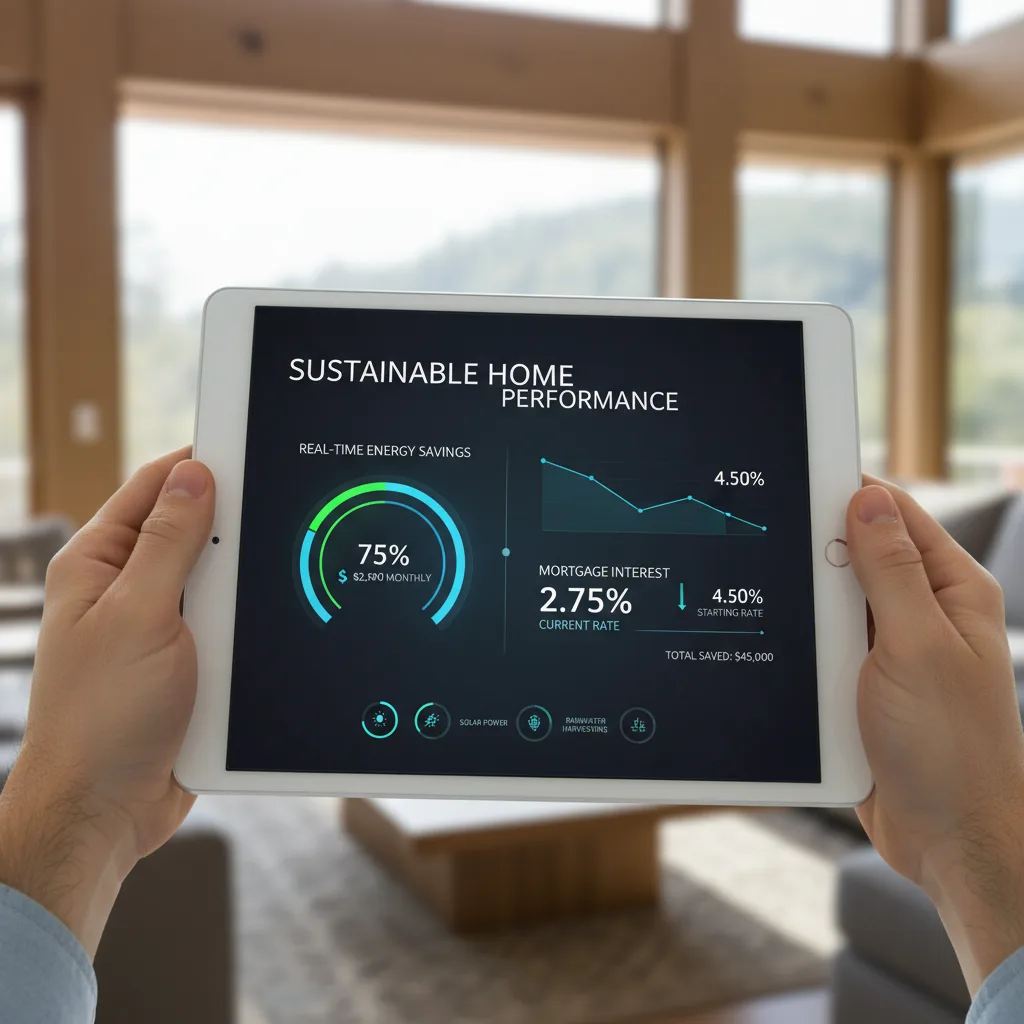
Lenders use a Home Energy Rating System (HERS) report to quantify potential savings. A certified professional inspects the home and assigns a score. For every point you lower your HERS score, the potential energy efficient mortgage benefits increase. Therefore, investing in high-quality insulation or residential solar panel installation becomes a strategic financial move.
Comparing Green Mortgage Options in 2026
Navigating the various loan types can be overwhelming. However, understanding the specific energy efficient mortgage benefits for each program is vital. Below is a detailed breakdown of the most popular options in the USA and Canada.
| Loan Type | Max Improvement Amount | Key Requirement |
|---|---|---|
| FHA Energy Efficient Mortgage | Up to 5% of home value | FHA-approved auditor |
| Fannie Mae HomeStyle Energy | Up to 15% of as-completed value | Conventional credit score |
| VA Energy Efficient Mortgage | $3,000 to $6,000 | Military service eligibility |
| CMHC Eco Plus (Canada) | 25% partial premium refund | EnerGuide rating |
Specifically, the Fannie Mae HomeStyle Energy mortgage is excellent for comprehensive renovations. It allows you to finance larger projects, such as installing a geothermal system or upgrading every window in the house. In addition, the FHA option is ideal for first-time homebuyers who might have a smaller down payment but want to capitalize on energy efficient mortgage benefits.
The Impact of Green Certification
If you are purchasing a new build, look for LEED or Energy Star certifications. These certifications automatically qualify you for many energy efficient mortgage benefits. Specifically, some lenders offer “Green Rewards” programs that provide cash back at closing for homes with these labels. This cash can be used to further enhance your home’s sustainability or offset moving costs.

Advantages and Disadvantages of Green Financing
While the perks are significant, it is important to look at the full picture. Here is what I learned during my own application process regarding energy efficient mortgage benefits.
Advantages
- Monthly Savings: Substantially lower utility bills from day one.
- Tax Incentives: Combine mortgage discounts with federal tax credits.
- Resale Value: Efficient homes often sell faster and for higher prices.
- Climate Impact: Directly reduces your household’s carbon footprint.
Disadvantages
- Appraisal Challenges: Some appraisers may struggle to value green upgrades correctly.
- Initial Paperwork: Requires additional inspections and reports.
- Limited Lenders: Not every local bank understands these niche products.
Furthermore, you must ensure that your chosen contractor is familiar with the reporting requirements of your lender. If the paperwork is not handled correctly, you might lose your energy efficient mortgage benefits mid-process. Therefore, communication is key.
Step-by-Step Guide to Applying for an EEM
Getting approved for these benefits requires a specific sequence of actions. Follow these steps to ensure you don’t miss out on potential savings.
- Find a Green-Minded Lender: Look for banks that mention “Green Choice” or “HomeStyle Energy” on their websites.
- Order an Energy Audit: Hire a certified HERS rater to assess the property.
- Identify Upgrades: Based on the audit, list the improvements that offer the best ROI, like green home insurance approved upgrades.
- Submit the Proposal: Give your lender the audit report and contractor bids for the upgrades.
- Close and Upgrade: Once the loan closes, the funds for upgrades are usually held in an escrow account and released as work is completed.
Specifically, the audit report will show the “present value” of the energy savings. This figure is what the lender uses to justify the energy efficient mortgage benefits. If the savings outweigh the cost of the loan increase, the bank will typically approve the additions.
Why 2026 is the Best Year to Act
In 2026, many of the 2024-2025 federal sustainability mandates have reached full implementation. This means there are more qualified auditors and specialized lenders than ever before. In addition, the secondary mortgage market is now buying “Green Bonds,” which incentivizes your bank to give you a better deal on your mortgage. Consequently, the energy efficient mortgage benefits available today are much more robust than those of previous years.
Frequently Asked Questions
Can I use an EEM for a home I already own?
Yes, you can! You can refinance your existing mortgage into an Energy Efficient Mortgage to fund major upgrades. This is a popular way to pay for large-scale solar arrays or whole-home weatherization projects.
Do I need a high credit score for these benefits?
While FHA green loans have more flexible credit requirements, conventional green loans typically require a score of 620 or higher. However, the energy efficient mortgage benefits themselves can sometimes help you qualify if the utility savings offset a lower income-to-debt ratio.
What upgrades qualify for the mortgage discount?
Typically, upgrades include high-efficiency windows, attic insulation, smart thermostats, and solar installations. Some lenders also include green investment opportunities like heat pump water heaters and EV charging stations.
Final Thoughts on Green Financing
Switching to a green mortgage was one of the smartest financial moves I made this year. Not only did I secure a lower interest rate, but I also significantly increased the comfort of my home while reducing my monthly expenses. The energy efficient mortgage benefits provided the bridge I needed to make expensive upgrades affordable. If you are planning to buy or renovate in 2026, do not leave this money on the table. Take the time to find a lender who values sustainability as much as you do.

Written by Mangaleswaran
Mangaleswaran is a dedicated sustainable living expert and the founder of EcoDweller. With a deep passion for renewable energy, he specializes in simplifying complex green technologies—like solar power and home efficiency—for the modern homeowner. His mission is to empower individuals to reduce their environmental impact while building more cost-effective, eco-friendly homes for the future.
Follow on Facebook