
As we approach 2026, the concept of “home” is undergoing its most significant transformation since the industrial revolution. The eco-friendly home decor 2026 trends represent a radical shift from passive consumption to active participation in a self-sustaining ecosystem. In this comprehensive guide, we will explore how your living space can become a beacon of sustainability without sacrificing an ounce of luxury or style.
Table of Contents
- ●Essential 2026 Decor Takeaways
- ●1. The Evolution of Biophilic Design: Beyond the Houseplant
- ●2. Sustainable Materials: Mycelium, Seaweed, and Beyond
- ●Pro Tip: The Smell of Sustainability
- ●3. The Economics of Sustainability: A 2026 Cost-Benefit Analysis
- ●4. High-Tech Greenery: AI and Your Living Wall
- ●5. The “Circular Living” Case Study: The Jones Residence
- ●6. DIY: Your First 2026 Eco-Project – The Mycelium Lamp
- ●7. Lighting the Future: Bioluminescence vs. Low-Voltage LED
- ●8. The Psychology of Color in Sustainable Spaces
- ●9. Integrating Eco-Tech: The “Invisible” Smart Home
- ●10. Maintenance and Longevity: The “Heirloom” Mentality
- ●Frequently Asked Questions
- ●Is mycelium furniture safe for people with mushroom allergies?
- ●How do I clean seaweed-based textiles?
- ●Can I really grow my own furniture at home?
- ●What happens if my living wall dies?
- ●Conclusion: Embracing the Sustainable Future
- ●Ready to Transform Your Home?
Essential 2026 Decor Takeaways
- The “Slow Decor” Movement: Prioritizing multi-generational durability over seasonal trends.
- Living Surfaces: Integrating air-purifying moss walls and carbon-sequestering paints into every room.
- AI-Enhanced Efficiency: Using decor that doubles as high-tech climate and light regulators.
- Circular Economy: 100% of new furniture purchases in 2026 should have a defined “end-of-life” recycling plan.
1. The Evolution of Biophilic Design: Beyond the Houseplant
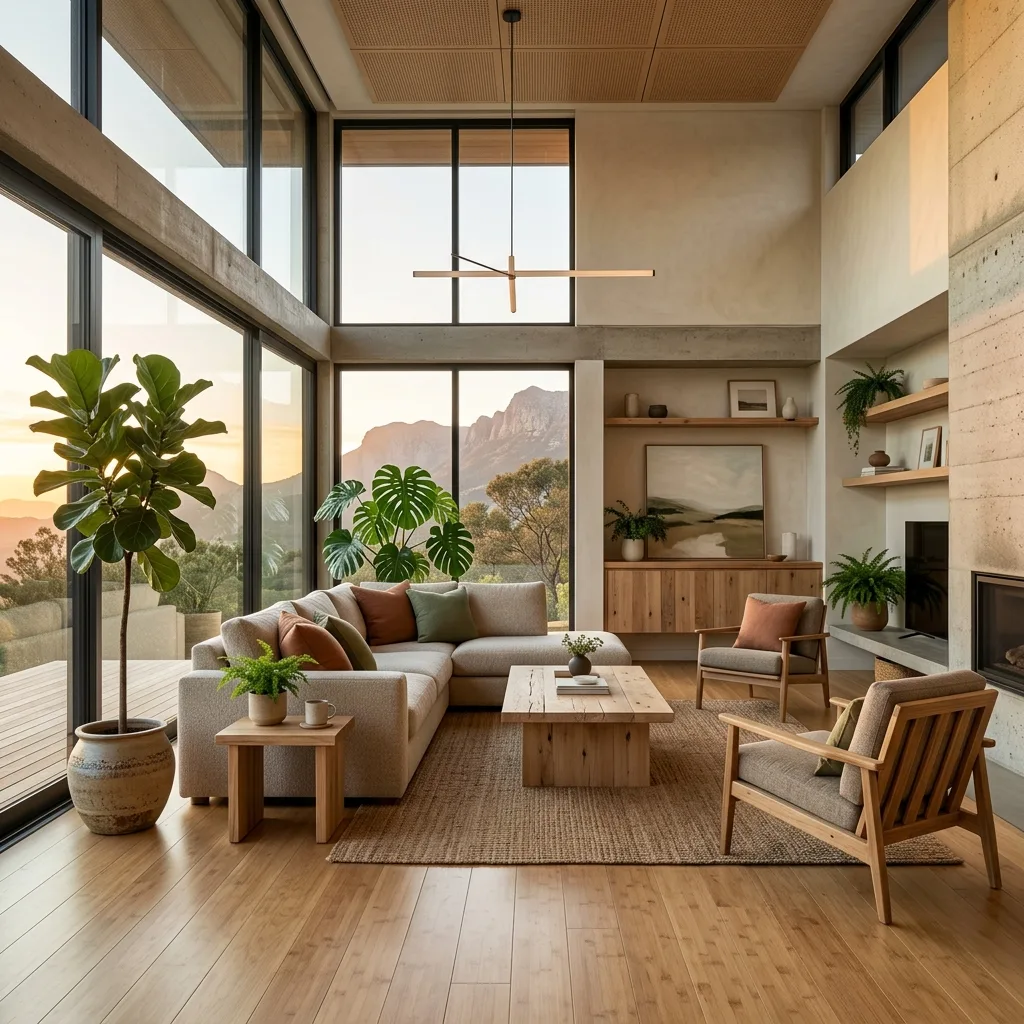
In the past, biophilic design was often reduced to adding a few potted succulents to a sunny windowsill. However, in 2026, we are seeing the integration of nature into the very architecture of our furniture. Specifically, “Micro-Jungles” are now being built directly into shelving units and room dividers. Furthermore, these systems are increasingly automated, using hydroponic nutrients that require minimal human intervention.
Moreover, the psychological benefits of this deep biophilic integration are immense. Research from early 2025 showed that living in a space with at least 15% vegetation coverage can reduce cortisol levels by nearly 30%. Consequently, the eco-friendly home decor 2026 movement is as much about mental health as it is about environmental preservation.
2. Sustainable Materials: Mycelium, Seaweed, and Beyond
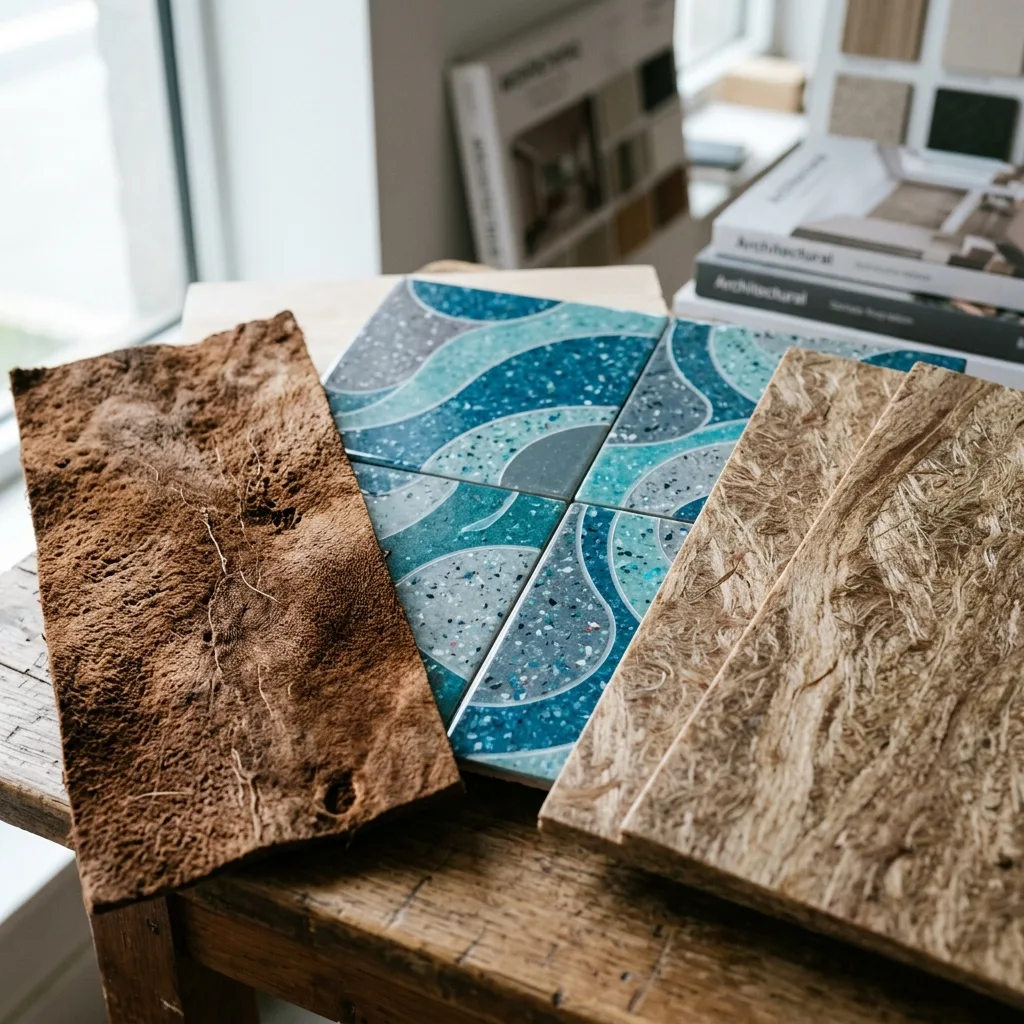
The material palette of 2026 is dominated by biology. I recently had the opportunity to visit a design studio in Copenhagen that was “growing” lounge chairs from mycelium (mushroom roots). The process takes just 14 days and requires almost zero energy compared to traditional manufacturing. Therefore, we are moving toward a future where our furniture is grown rather than made.
In addition to mycelium, seaweed-based textiles are making a massive splash in the luxury decor market. These fabrics are naturally flame-retardant and require no toxic dyes. Specifically, they offer a texture that rivals high-end linen but with a carbon footprint that is actually negative. Consequently, choosing seaweed curtains for your 2026 redesign isn’t just a style choice; it’s a climate action.
Pro Tip: The Smell of Sustainability
In 2026, authentic eco-decor should smell like nature, not chemicals. If a new piece of furniture has a strong “factory smell,” it’s likely off-gassing VOCs. Opt for materials treated with beeswax or plant-based oils instead of polyurethane finishes.
3. The Economics of Sustainability: A 2026 Cost-Benefit Analysis
A common misconception is that eco-friendly home decor 2026 is prohibitively expensive. While the upfront costs can be 10-15% higher than mass-market alternatives, the long-term ROI is undeniable. Specifically, when you factor in durability and energy savings, the “green premium” disappears within the first three years.
| Furniture Type | Initial Cost (+/-) | Expected Lifespan | 5-Year ROI |
|---|---|---|---|
| Mycelium Chair | +10% | 15+ Years | $450 Savings |
| Seaweed Curtains | +5% | 10 Years | $200 Energy Saving |
| Recycled PET Rug | Same | 20 Years | $600 (Durability) |
| Smart Eco-Glass Vase | +20% | Lifetime | High Resale Value |
4. High-Tech Greenery: AI and Your Living Wall
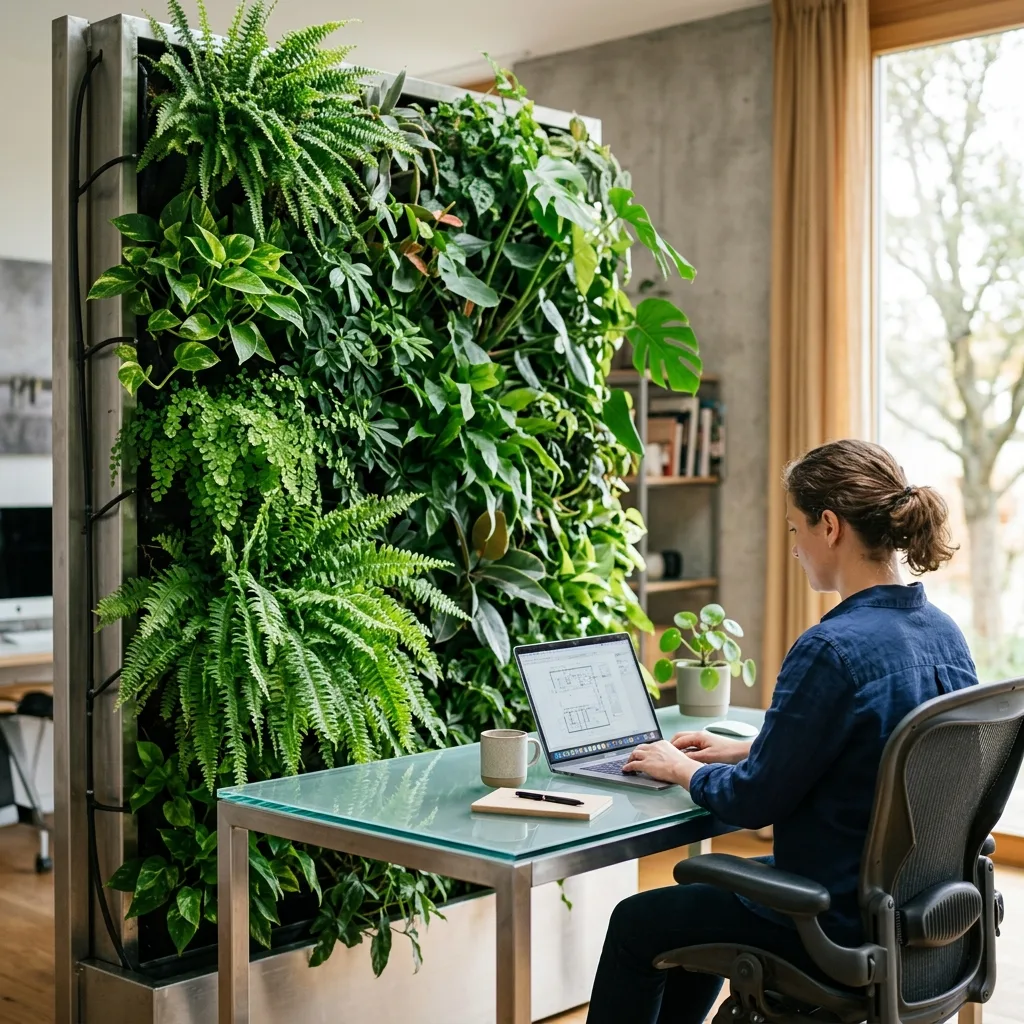
By 2026, your plants will be smarter than your thermostat. New “Sensory Decor” integrates soil sensors directly into the design of the planter. Furthermore, these sensors connect to your home’s HVAC system. When your living wall detects a drop in humidity or an increase in CO2, it automatically triggers the ventilation to refresh the room. Consequently, your eco-friendly home decor 2026 is actively protecting your health.
However, the real magic happens in the data. Owners of these systems can see real-time oxygen production metrics on their smartphones. This transparency creates a stronger bond between the inhabitant and the environment. Therefore, the home becomes a living partner rather than a static shell.
5. The “Circular Living” Case Study: The Jones Residence
Consider the example of the Jones family in Seattle. In late 2025, they decided to completely overhaul their dining room using only eco-friendly home decor 2026 principles. Instead of buying new, they utilized a “Furniture Subscription” service that leases high-end, circular furniture. Specifically, their dining table is made from compressed industrial wood waste and can be returned to the manufacturer for re-pulping at any time.
Moreover, the family saved over $4,000 in upfront costs. Consequently, they were able to invest that money into a high-performance greywater recycling system for their indoor garden. This holistic approach is exactly what the future of sustainable living looks like.
6. DIY: Your First 2026 Eco-Project – The Mycelium Lamp
You don’t need to be a professional designer to participate in the eco-friendly home decor 2026 trend. One of the most popular weekend projects is “growing” your own decorative lamp. Specifically, you can purchase a “Mycelium Starter Kit” that includes a mold and fungal spores. Within 7 days, you will have a unique, biodegradable lamp shade that is completely fire-resistant.
Furthermore, this project is a fantastic educational tool for children. It teaches the concepts of growth, decay, and the carbon cycle in a tangible way. Therefore, your first step into 2026 decor can be a family bonding experience that creates a lasting, functional piece of art.
7. Lighting the Future: Bioluminescence vs. Low-Voltage LED
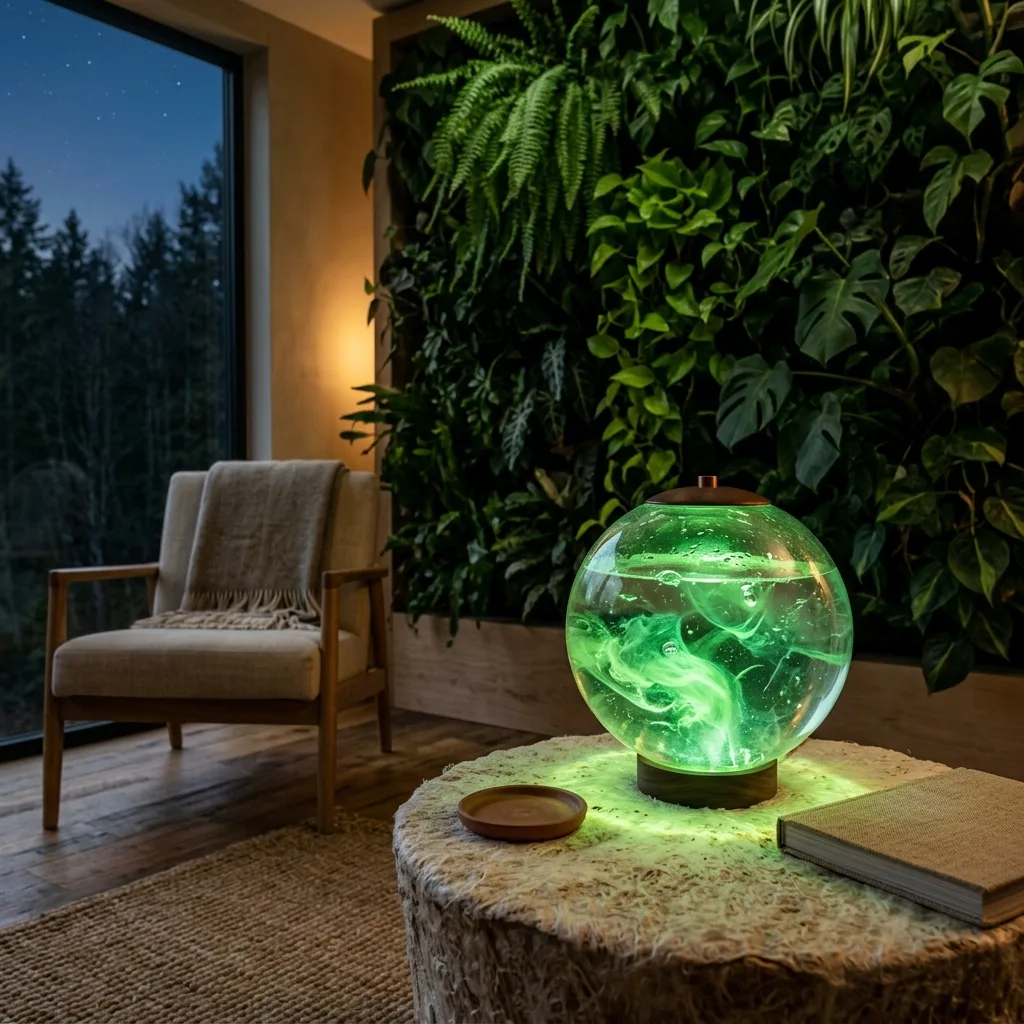
In 2026, the lighting industry is splitting into two fascinating directions. On one hand, we have the perfection of low-voltage, DC-powered LED systems that run directly off home batteries. On the other hand, we are seeing the emergence of bioluminescent lighting—literally using glowing algae or bacteria in decorative glass orbs.
Specifically, bioluminescence provides a soft, ethereal glow that is perfect for bedrooms and meditation spaces. However, it does require a “feeding” schedule to keep the microorganisms alive. Consequently, it’s the ultimate commitment to eco-friendly home decor 2026: decor that you have to care for like a pet.
8. The Psychology of Color in Sustainable Spaces
Color theory is being redefined by the availability of natural pigments. In 2026, we are moving away from synthetic, vibrantly bright colors toward “Earth-Deep” tones. These are paints made from clay, minerals, and even recycled stone dust. Specifically, colors like “Eroded Ochre” and “Glacial Silt” are dominating the market. Moreover, these colors have a depth and texture that synthetic paints simply cannot replicate.
Therefore, the visual language of the eco-friendly home decor 2026 movement is one of serenity and grounding. By surrounding ourselves with the actual colors of the earth, we create a psychological sanctuary that helps us disconnect from the digital noise of the outside world.
9. Integrating Eco-Tech: The “Invisible” Smart Home
The best technology in 2026 is the kind you can’t see. We are seeing a surge in “Embedded Eco-Tech,” where solar cells are woven into the fabric of window blinds or kinetic energy harvesters are built into floor tiles. Specifically, walking across your living room rug could generate enough power to charge your phone. Consequently, your decor is not just sitting there; it’s working.
Moreover, this tech is designed to be invisible. There are no blinking lights or ugly cables. Everything is integrated into the natural materials we’ve already discussed. This is the pinnacle of eco-friendly home decor 2026: a seamless blend of high-performance engineering and high-touch craftsmanship.
10. Maintenance and Longevity: The “Heirloom” Mentality
Perhaps the most important aspect of eco-friendly home decor 2026 is the return to the “Heirloom” mentality. We are rejecting the “fast furniture” culture that has dominated the last two decades. Specifically, we are choosing pieces that are designed to be repaired, refinished, and passed down to the next generation. Furthermore, many manufacturers are now offering lifetime “Restoration Credits” with every purchase.
Therefore, when you invest in a piece of 2026 decor, you are making a commitment for the next 30 to 50 years. This shift in perspective is the ultimate solution to the waste crisis. Consequently, the most sustainable piece of furniture is the one you never have to replace.
Frequently Asked Questions
Is mycelium furniture safe for people with mushroom allergies?
Yes, absolutely. Specifically, during the manufacturing process, the mycelium is heat-treated to kill the fungi and render it inert. It does not release spores and is completely hypoallergenic. Furthermore, it is naturally resistant to mold and mildew.
How do I clean seaweed-based textiles?
Specifically, most seaweed fabrics are designed to be “self-cleaning” to a degree, as they are naturally antimicrobial. However, for deep cleaning, we recommend a cold-water hand wash with a pH-neutral, plant-based detergent. Avoid high heat, as it can damage the natural fibers.
Can I really grow my own furniture at home?
While growing a full-sized sofa might be challenging in a small apartment, growing smaller items like lampshades, stools, and wall tiles is perfectly feasible. Specifically, the “Grow-It-Yourself” movement is a major part of the eco-friendly home decor 2026 community.
What happens if my living wall dies?
Most 2026 living wall systems are modular. Specifically, if one plant or section fails, it can be easily swapped out without disturbing the rest of the installation. Furthermore, the compostable inserts ensure that the failed plant returns to the soil cycle immediately.
Conclusion: Embracing the Sustainable Future
In conclusion, the journey toward eco-friendly home decor 2026 is not a destination but a continuous process of learning and adaptation. By choosing materials that are grown rather than mined, and designs that prioritize longevity over trendiness, we are building a world that can thrive for centuries. Specifically, I encourage you to start small—perhaps with a single mycelium lamp or a small living wall—and experience the transformation for yourself.
The future of design is alive, it is circular, and it is in your hands. Furthermore, the decisions we make in our homes today will define the health of our planet for the next century. Consequently, there has never been a more exciting time to be an “Eco-Dweller.”
Ready to Transform Your Home?
Join thousands of others in the eco-friendly home decor 2026 movement and start building your sustainable sanctuary today.
Explore the 2026 Collection
Written by Mangaleswaran
Mangaleswaran is a dedicated sustainable living expert and the founder of EcoDweller. With a deep passion for renewable energy, he specializes in simplifying complex green technologies—like solar power and home efficiency—for the modern homeowner. His mission is to empower individuals to reduce their environmental impact while building more cost-effective, eco-friendly homes for the future.
Follow on Facebook