
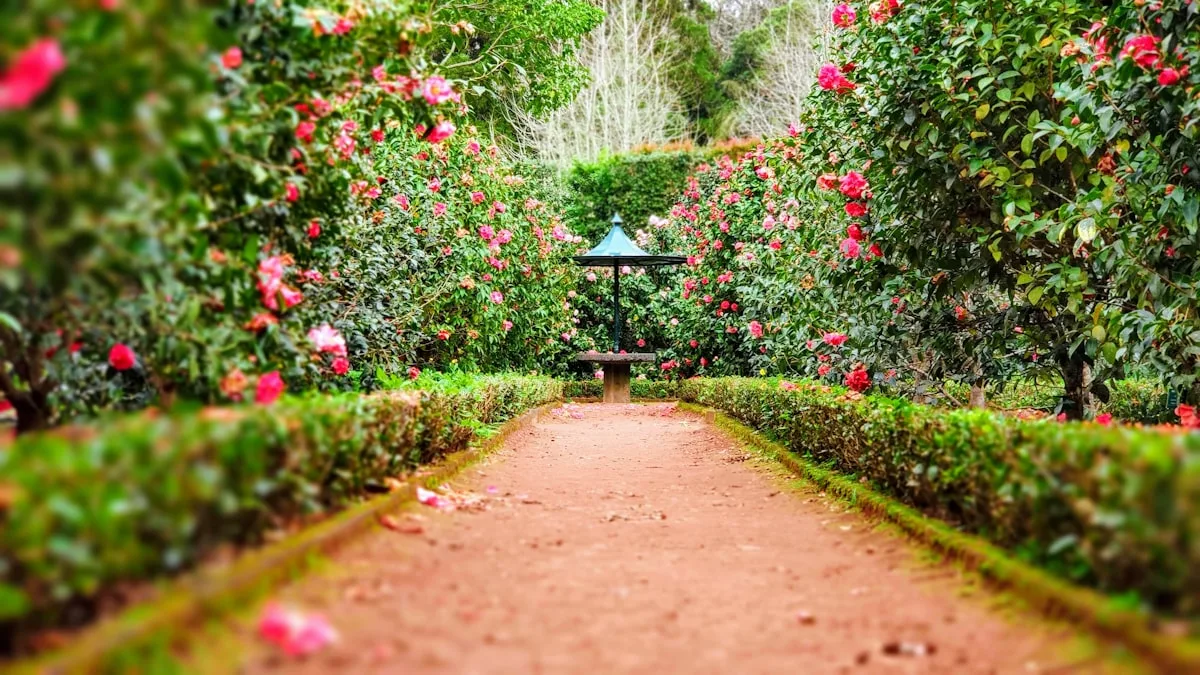
I remember standing in my garden during the great drought of 2026, watching my neighbors’ lawns turn to straw while my vegetable patches stayed lush and vibrant. The secret wasn’t a hidden well or a massive rainwater tank; it was the water I had already used that morning in the shower. Every time I washed my hands or did a load of laundry, I was actually irrigating my garden. Consequently, I realized that greywater recycling systems are the missing link in a truly circular, sustainable home. We’ve spent decades treating water as a “single-use” resource, but in 2026, we are finally learning to use it twice.
Table of Contents
- ●Key Takeaways: The Greywater Revolution
- ●What Exactly is Greywater?
- ●Types of Greywater Recycling Systems
- ●1. The Laundry-to-Landscape (L2L) System
- ●2. Branched Drain Systems
- ●3. Pumped and Filtered Systems
- ●The Benefits: Why 2026 is the Year of Water Recycling
- ●The Golden Rules of Greywater Safety
- ●Frequently Asked Questions
- ●Can I use greywater on my vegetable garden?
- ●Is it legal to recycle greywater?
- ●Will greywater damage my plants over time?
- ●Conclusion: Every Drop Counts
Key Takeaways: The Greywater Revolution
- Repurpose 50%+ of Water: Greywater from showers, sinks, and laundry can account for more than half of a typical household’s indoor water use.
- Lush Landscapes: Greywater contains beneficial nutrients (phosphorus and nitrogen) that act as a light fertilizer for your plants.
- Reduced Utility Bills: Recycling water can reduce your freshwater demand and sewage fees by up to 30%.
- Climate Resilience: Greywater provides a consistent, reliable source of irrigation even during strict municipal water restrictions.
What Exactly is Greywater?
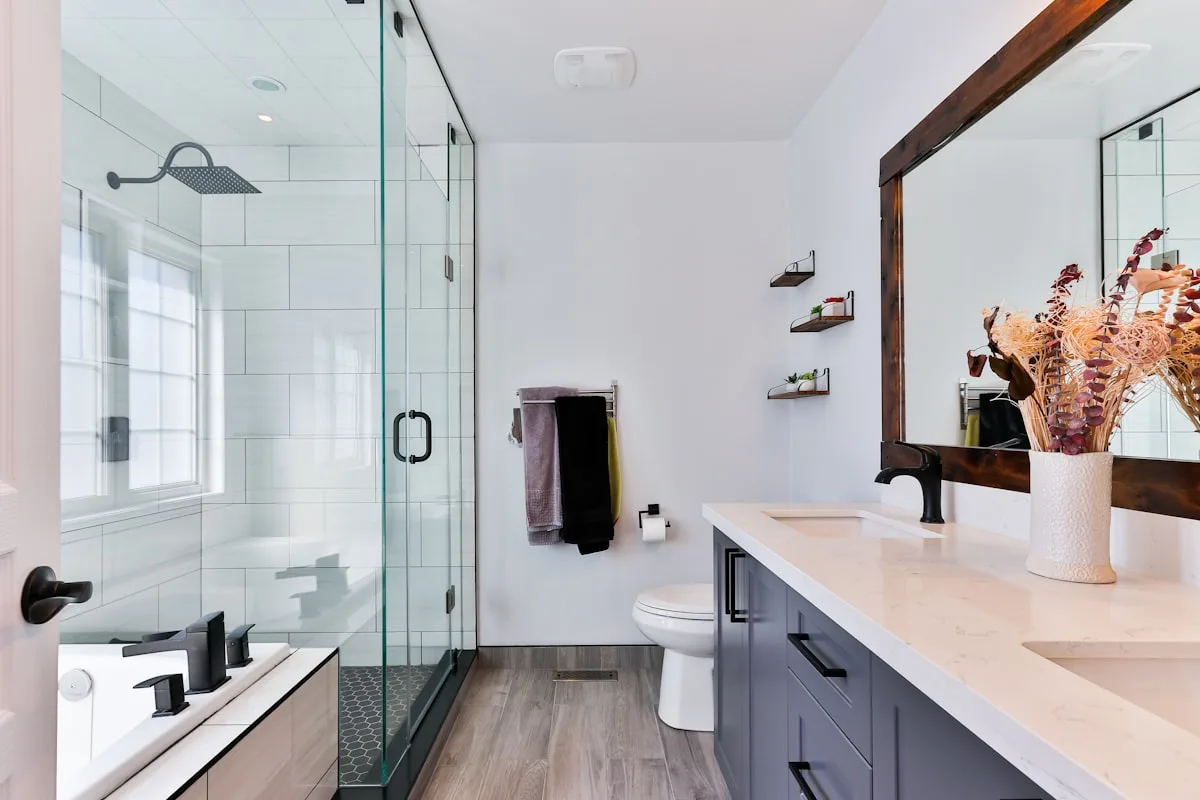
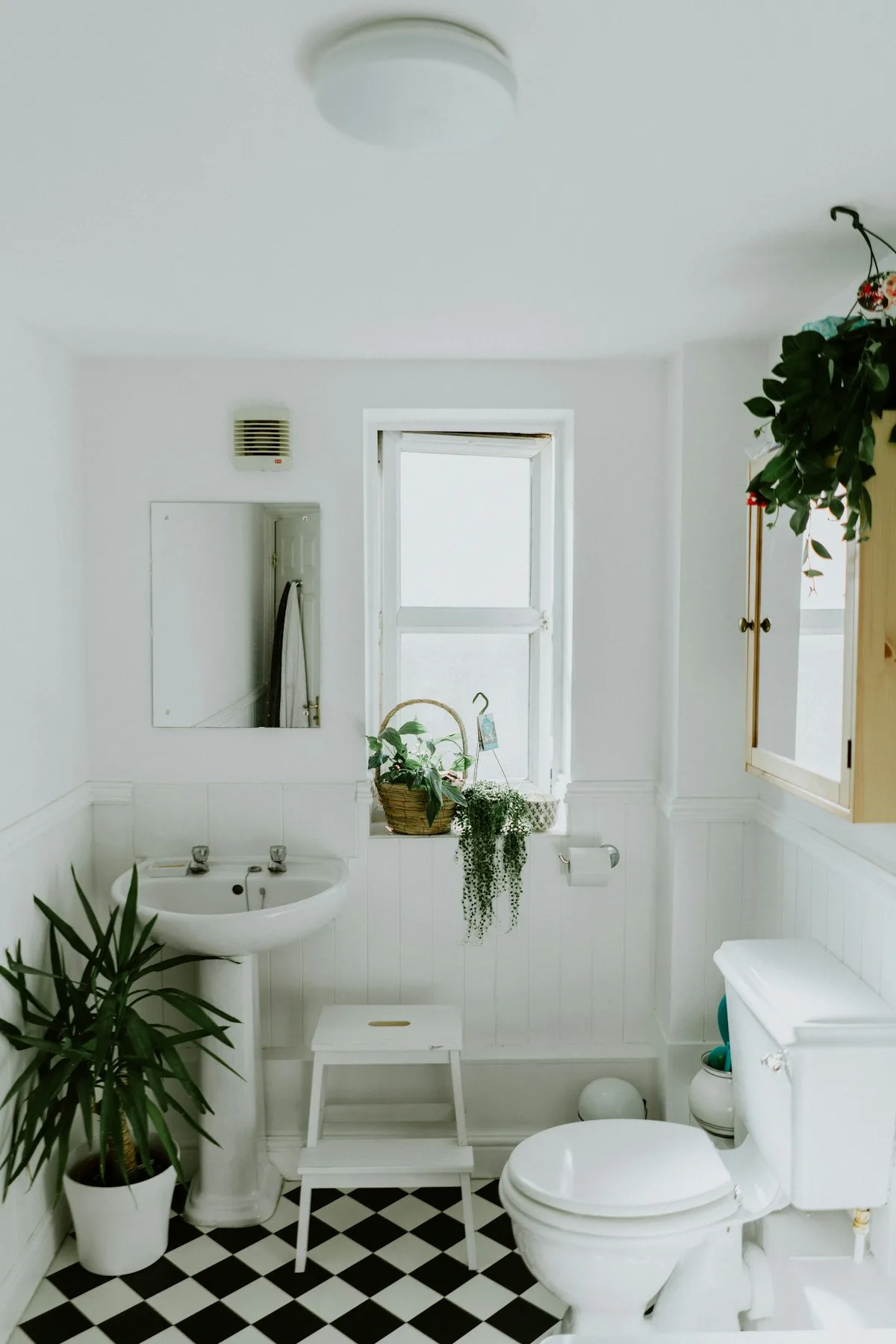
In the world of sustainable plumbing, we categorize water into three types. “White water” is the clean, potable water that comes out of your taps. “Black water” is the sewage from toilets and kitchen disposals, which contains pathogens and must be treated by the city. “Greywater” is everything in between. It’s the water from your bathroom sinks, showers, bathtubs, and washing machines. While it may contain soap, hair, and some dirt, it is relatively clean and safe for irrigation if handled correctly.
In 2026, many forward-thinking municipalities have updated their building codes to allow for simple greywater diversion systems. The beauty of greywater is its consistency. Unlike rainwater, which depends on the weather, greywater is produced every single day. As long as you are living in your house, you have a guaranteed source of irrigation. Furthermore, using this water for your landscape reduces the load on local sewage treatment plants, making it a win for the whole community. Specifically, I’ve found that my garden actually performs better with greywater than with tap water due to the trace minerals and nutrients it carries.
Types of Greywater Recycling Systems
1. The Laundry-to-Landscape (L2L) System
The L2L system is the most popular and easiest to install. It doesn’t require any major plumbing changes or even a building permit in many jurisdictions. It works by diverting the water from your washing machine’s internal pump through a 3-way valve and out to your garden. Because the washing machine already has a pump, it can move the water over relatively flat ground without any additional electricity. In my own setup, the laundry-to-landscape system provides all the water needed for my 10 fruit trees. Therefore, it’s the best entry point for any DIY enthusiast.
2. Branched Drain Systems
This is a gravity-fed system that diverts water from showers and bathroom sinks. It requires “plumbing access,” meaning you usually need a crawlspace or a raised foundation to install it. The water is split into several branches that lead to “mulch basins” around your plants. Because it relies on gravity, there are no pumps or filters to break down. However, it requires careful planning to ensure the pipes have a consistent “slope” to prevent clogs. Consequently, it’s a more permanent solution that is best installed during a bathroom renovation.
3. Pumped and Filtered Systems
For homes on a slab foundation or for those who want to use greywater for drip irrigation, a pumped system is necessary. The greywater is collected in a small surge tank, filtered to remove lint and hair, and then pumped out to the garden. In 2026, these systems have become incredibly compact and “smart,” featuring automatic back-flushing filters and integration with smart irrigation controllers. While they are more expensive, they offer the most flexibility in terms of where you can move the water. Specifically, they can even move water uphill to a terrace or a raised bed.
The Benefits: Why 2026 is the Year of Water Recycling
The environmental impact of greywater recycling cannot be overstated. By using water twice, you are effectively doubling your water supply without taking another drop from the aquifer. Furthermore, greywater is warm. When you shower, that heat is usually lost down the drain. By diverting that water to mulch basins, you are actually “warming” the soil during the winter, which can extend your growing season for certain crops. It’s a subtle but powerful form of passive energy transfer. For more on similar concepts, check out our guide on passive solar home design.
Financially, the case is also compelling. Many cities in the US and Canada have implemented “tiered water pricing,” where the cost per gallon skyrockets once you pass a certain threshold. Greywater recycling keeps you in the lowest, cheapest tier. In addition, some municipalities now offer rebates of up to $500 for the installation of a 3-way valve and irrigation lines. Below is a cost-benefit breakdown for a typical 4-person household.
| System Type | Installation Cost | Daily Water Savings | Complexity |
|---|---|---|---|
| Laundry-to-Landscape | $150 – $400 | 15 – 30 Gallons | Low (DIY) |
| Branched Drain | $500 – $1,500 | 40 – 80 Gallons | Medium |
| Pumped & Filtered | $2,500 – $5,000 | 80+ Gallons | High |
The Golden Rules of Greywater Safety
To ensure your greywater system is a success and doesn’t create a nuisance, you must follow a few simple rules. These are designed to protect the health of your family and the local environment.
- Don’t Store Greywater: Greywater should be used as soon as it is produced. If you store it for more than 24 hours, the nutrients will start to break down and cause the water to smell. Let it flow directly to the mulch basins.
- Keep it Underground: Always discharge greywater into a “mulch basin” (a trench filled with wood chips). This prevents surface pooling, keeps pets and kids away from the water, and provides a large surface area for soil microbes to clean the water.
- No Kitchen Sinks or Diapers: Kitchen sink water is considered “dark greywater” because it contains fats, oils, and grease that can clog pipes and attract pests. Similarly, never recycle water used to wash diapers. Stick to showers and “clean” laundry.
- Know When to Bypass: Every system needs a 3-way valve. If you are washing clothes with bleach or if someone in the house is sick with a stomach bug, flip the valve and send the water to the sewer for that day. Therefore, flexibility is the key to safety.
Frequently Asked Questions
Can I use greywater on my vegetable garden?
Yes, but with caution. It is safe to use greywater on fruit trees and bushes where the edible part is above the ground. I do not recommend using it on root vegetables (like carrots or radishes) or leafy greens that touch the soil directly. Specifically, for those crops, stick to rainwater or potable water. For your orchard, however, greywater is perfect.
Is it legal to recycle greywater?
In 2026, many states and provinces (especially in the West) have “Greywater Codes” that allow for simple systems without a permit. However, the rules vary wildly. Always check with your local building department before starting. Specifically, ask about “Laundry-to-Landscape” exemptions, which are the most common way to get started legally and affordably.
Will greywater damage my plants over time?
Not if you use the right soap! If you use standard detergents with high sodium and boron levels, the soil can become toxic over several years. But if you switch to biocompatible products and use mulch to break down the water, your plants will actually thrive. Specifically, the mulch acts as a natural biological filter, and the worms love the constant moisture.
Conclusion: Every Drop Counts
Implementing a greywater recycling system was the single most impactful change I made to my home’s sustainability profile. It changed my relationship with water from one of waste to one of stewardship. In 2026, we can no longer afford to be reckless with our resources. By closing the loop in our own backyards, we can build a future where our homes aren’t just consumers of the environment, but active contributors to its health and vitality. It’s time to take control of your water future, one shower at a time.
Want to pair your water savings with energy efficiency? Read our guide on smart home energy strategies for 2026 to see how IoT can help you monitor your water use in real-time.

Written by Mangaleswaran
Mangaleswaran is a dedicated sustainable living expert and the founder of EcoDweller. With a deep passion for renewable energy, he specializes in simplifying complex green technologies—like solar power and home efficiency—for the modern homeowner. His mission is to empower individuals to reduce their environmental impact while building more cost-effective, eco-friendly homes for the future.
Follow on Facebook