

Are you tired of skyrocketing utility bills and a massive carbon footprint? By 2026, upgrading to smart home energy systems is no longer just a luxury—it is a financial necessity for homeowners. This guide will walk you through the top eco-friendly technologies designed to optimize power usage, lower emissions, and drastically reduce your monthly expenses.
Table of Contents
- Key Takeaways
- Why Invest in Smart Home Energy Systems in 2026?
- Core Components of Smart Home Energy Systems
- Pro-Tip for Maximum ROI
- Cost Breakdown and Expected Savings
- Advantages and Disadvantages
- Advantages
- Disadvantages
- Frequently Asked Questions (FAQ)
- Do smart home energy systems qualify for tax credits?
- Will I need to rewire my entire house?
- How do these systems calculate savings?
- Conclusion
Key Takeaways
- Smart home energy systems can reduce overall heating and cooling costs by up to 30% annually.
- Federal tax credits for sustainable home upgrades have been expanded for 2026.
- Pairing automation with Eco-Friendly HVAC Systems: The Ultimate 2026 Guide to Costs, ROI, and Tax Credits maximizes your total home efficiency.
- Intelligent panels and smart thermostats provide real-time data to stop phantom energy drain.
Why Invest in Smart Home Energy Systems in 2026?
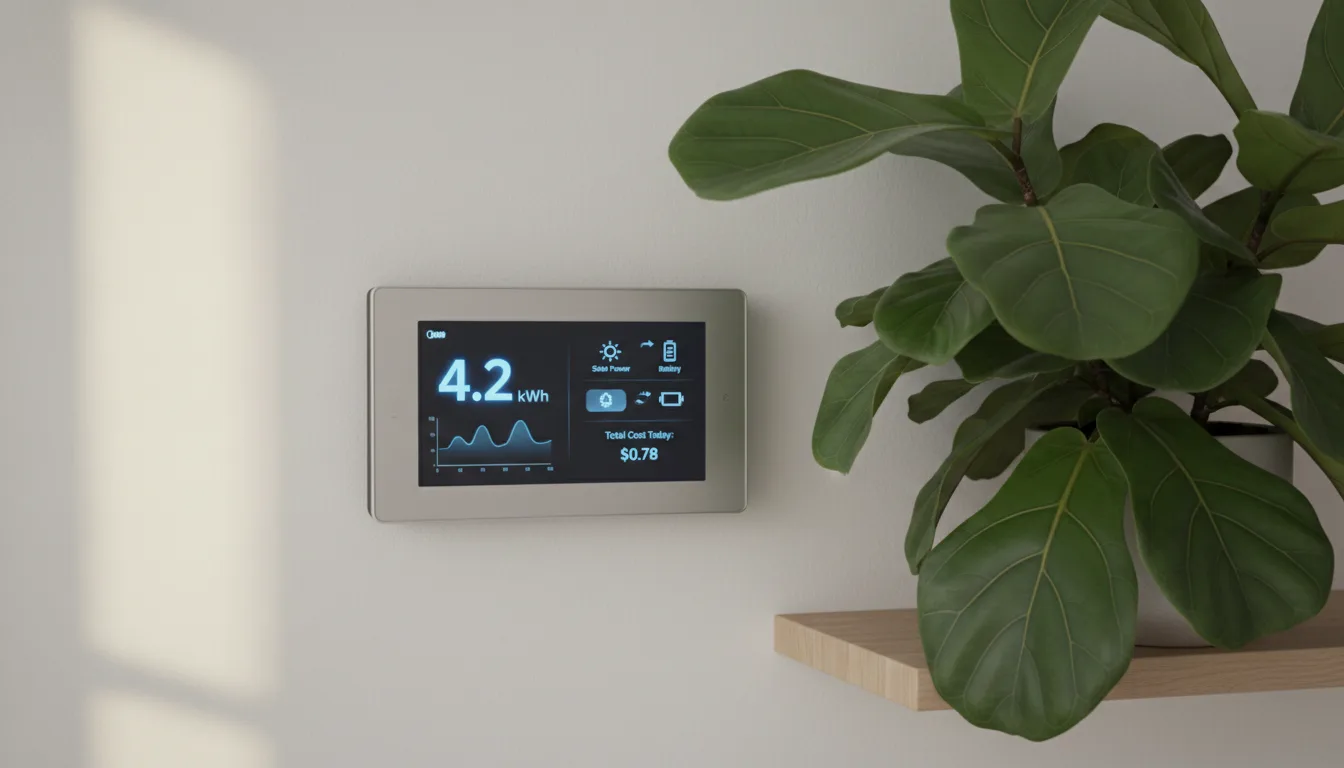
The landscape of green real estate is changing rapidly. Modern smart home energy systems use artificial intelligence to learn your daily habits and adjust power distribution accordingly. This means your home stops wasting electricity when you are asleep or away.
Furthermore, local utility companies are increasingly offering time-of-use pricing. Smart systems automatically shift heavy energy loads—like running the dishwasher or charging an EV—to off-peak hours, generating massive savings. According to the U.S. Department of Energy, homes equipped with automated energy management frequently see a return on investment within just 3 to 5 years.
Core Components of Smart Home Energy Systems
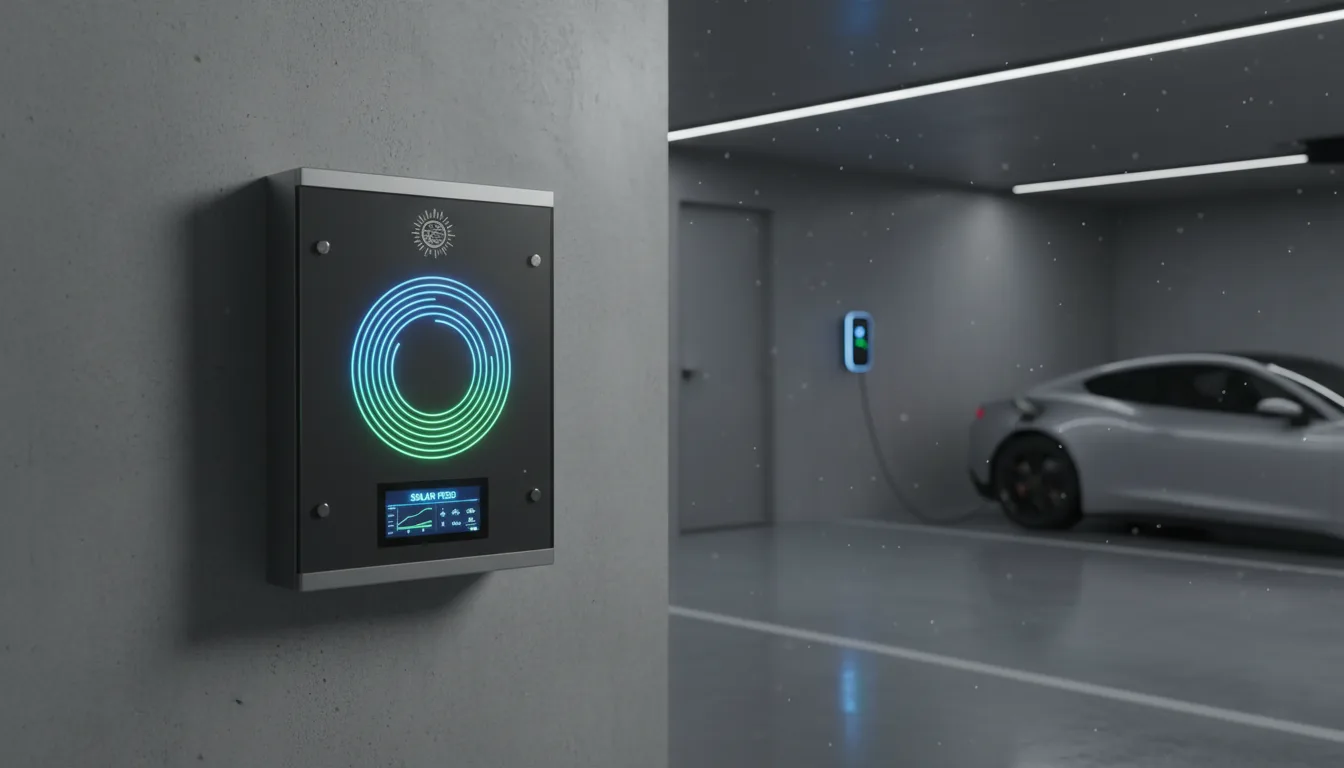
Building an efficient smart ecosystem requires a few essential pieces of technology working in harmony. Here is what you need to prioritize for your 2026 upgrades:
- Smart Thermostats: These devices adjust temperatures dynamically based on occupancy and weather forecasts. They integrate seamlessly with modern heating solutions. Be sure to check our Eco-Friendly HVAC Systems: The Ultimate 2026 Guide to Costs, ROI, and Tax Credits Tool to estimate base savings.
- Intelligent Electrical Panels: Upgrading your main panel allows you to track exactly which appliances consume the most electricity.
- Smart Plugs and Outlets: These combat vampire power by entirely cutting off electricity to idle electronics.
Pro-Tip for Maximum ROI
Do not upgrade everything at once if you are on a budget. Start by targeting your largest energy hogs: heating and cooling. By addressing HVAC first and linking it to a central smart hub, you will capture the biggest financial wins immediately. Read more about this strategy in our detailed analysis: Eco-Friendly HVAC Systems: The Ultimate 2026 Guide to Costs, ROI, and Tax Credits.
Cost Breakdown and Expected Savings
Understanding the numbers is crucial before committing to home improvements. The table below outlines the average 2026 costs and annual savings associated with adopting various components of smart home energy systems.
| Technology Type | Average Installation Cost | Estimated Annual Savings |
|---|---|---|
| Smart Thermostat | $200 – $350 | $100 – $150 |
| Intelligent Electrical Panel | $2,500 – $4,000 | $300 – $500 |
| Smart Lighting & Plugs | $150 – $400 | $50 – $100 |
Advantages and Disadvantages
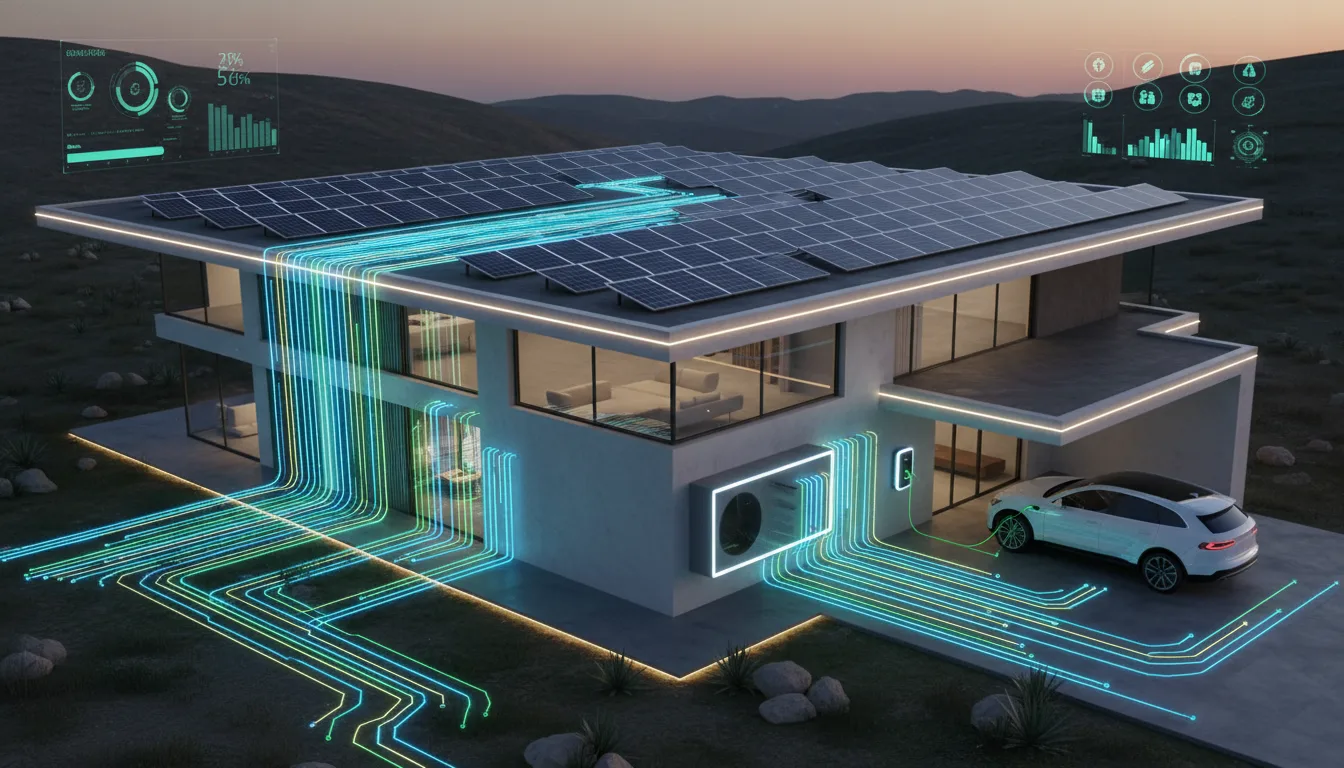
While the benefits are substantial, it is important to weigh the pros and cons before making a major technology transition.
Advantages
- Lower Utility Bills: Continuous optimization drastically drops monthly power costs.
- Environmental Impact: Reduced energy waste aligns perfectly with the EPA sustainability goals.
- Increased Property Value: Homes equipped with native eco-friendly tech sell faster and at a premium.
Disadvantages
- Upfront Costs: Full-scale electrical panel and system replacements demand initial capital.
- Tech Dependency: A reliable internet connection is required for remote monitoring and AI learning.
Frequently Asked Questions (FAQ)
Do smart home energy systems qualify for tax credits?
Yes! Under the expanded Inflation Reduction Act provisions lasting through 2026, many energy-efficient home upgrades, including smart electrical panels and high-efficiency heat pumps, qualify for federal tax credits up to 30% of the project cost.
Will I need to rewire my entire house?
Generally, no. Most smart thermostats, plugs, and sensors work with existing wiring. However, upgrading to a smart electrical panel might require some localized rewiring at the main breaker box.
How do these systems calculate savings?
The software tracks your live energy consumption in kilowatt-hours (kWh) and compares it to your local utility rates. You can test related HVAC energy calculations using our dedicated Eco-Friendly HVAC Systems: The Ultimate 2026 Guide to Costs, ROI, and Tax Credits Tool.
Conclusion
Investing in smart home energy systems is a guaranteed pathway to lowering both your carbon footprint and your monthly utility bills. As we move deeper into 2026, making the switch to intelligent, automated energy management is the smartest financial decision an eco-conscious homeowner can make. Ready to see exactly how much you could save? Click below to calculate your personal ROI.

Written by Mangaleswaran
Mangaleswaran is the Founder of EcoDweller and a passionate advocate for sustainable living. He is dedicated to helping homeowners transition to eco-friendly technologies, drastically reduce their carbon footprint, and maximize their energy savings.