
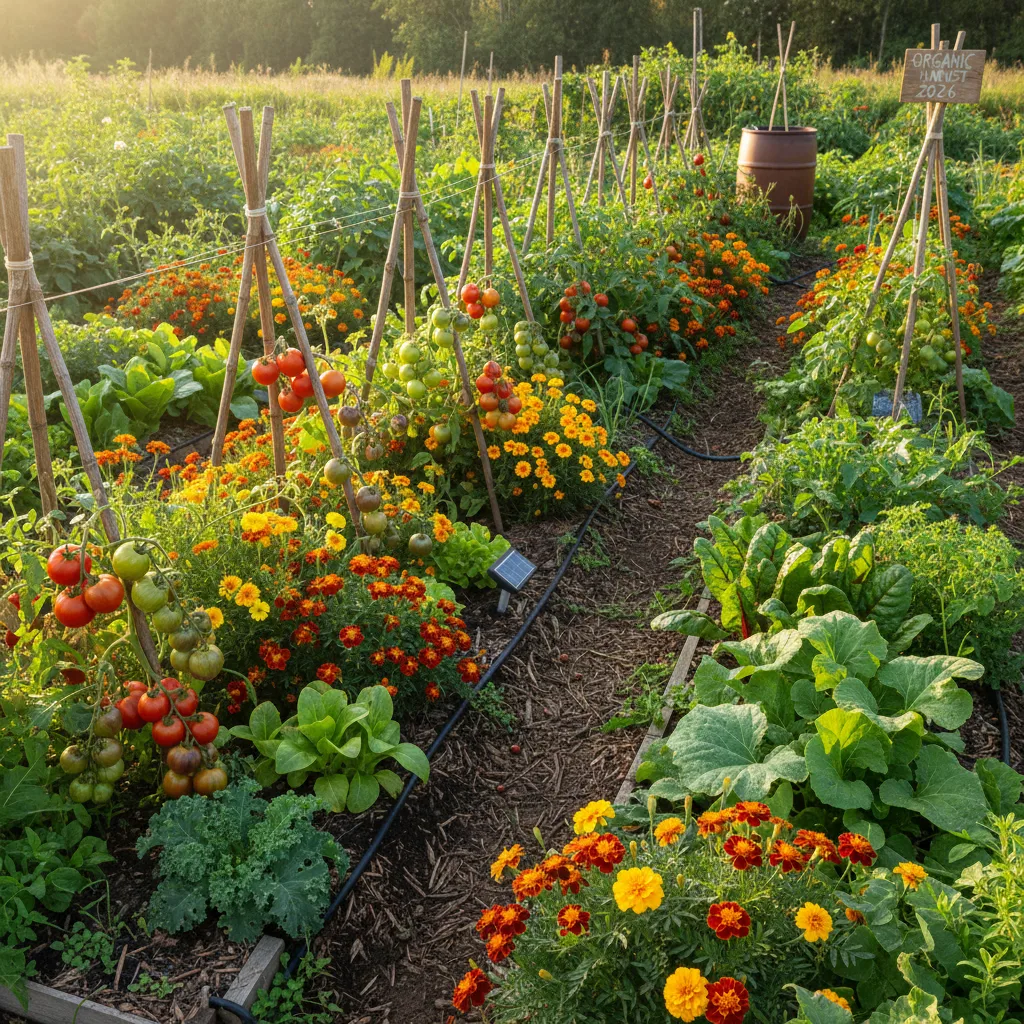
I remember walking out to my backyard in the early spring of 2026, expecting to see the first blush of my heirloom Brandywine tomatoes. Instead, I found a massacre. A thriving colony of aphids had claimed every tender stem as their own territory. In my earlier years of gardening, I might have reached for a canister of synthetic spray. However, my journey into regenerative agriculture has taught me that a healthy ecosystem doesn’t need a chemical crutch. Implementing 10 Natural Pest Control Methods for a Chemical-Free Garden is not just about saving plants; it is about restoring the delicate balance of nature right outside your door.
Table of Contents
- ●Key Takeaways
- ●1. Strategic Companion Planting
- ●2. Attracting Beneficial Insects
- ●3. Using Diatomaceous Earth Correctly
- ●4. Homemade Neem Oil Sprays
- ●5. Biological Controls: Bacillus Thuringiensis (Bt)
- ●6. Crop Rotation and Soil Health
- ●7. Physical Barriers and Row Covers
- ●8. Trap Cropping
- ●9. Encouraging Birds and Bats
- ●10. Garlic and Chili Pepper Sprays
- ●Comparison: Natural vs. Chemical Pest Control
- ●Advantages and Disadvantages of Natural Pest Control
- ●Frequently Asked Questions
- ●Is vinegar a safe pest control for gardens?
- ●How long does it take for beneficial insects to work?
- ●Can I use these methods for indoor plants?
- ●Conclusion: Embracing a Greener Future
Specifically, this approach requires patience and observation. Chemicals offer a temporary fix but often destroy the very pollinators and soil microbes we need. Consequently, shifting to biological and mechanical solutions ensures a more resilient harvest. In this guide, I will share the exact strategies I used to transform my aphid-infested patch into a thriving, self-regulating sanctuary.
Key Takeaways
- Biodiversity is your best defense: A monoculture invites disaster, while variety attracts predators.
- Soil health equals plant immunity: Nutrient-rich soil helps plants produce natural defenses against pests.
- Consistency matters: Organic methods often work through prevention and early intervention rather than total eradication.
1. Strategic Companion Planting
Companion planting is the art of placing specific plants together to enhance growth or repel insects. For instance, I always plant marigolds near my vegetable beds. These vibrant flowers release a scent that confuses and deters nematodes and whiteflies. Furthermore, according to research from Cornell University, aromatic herbs like basil can mask the scent of tomatoes from hungry hornworms.
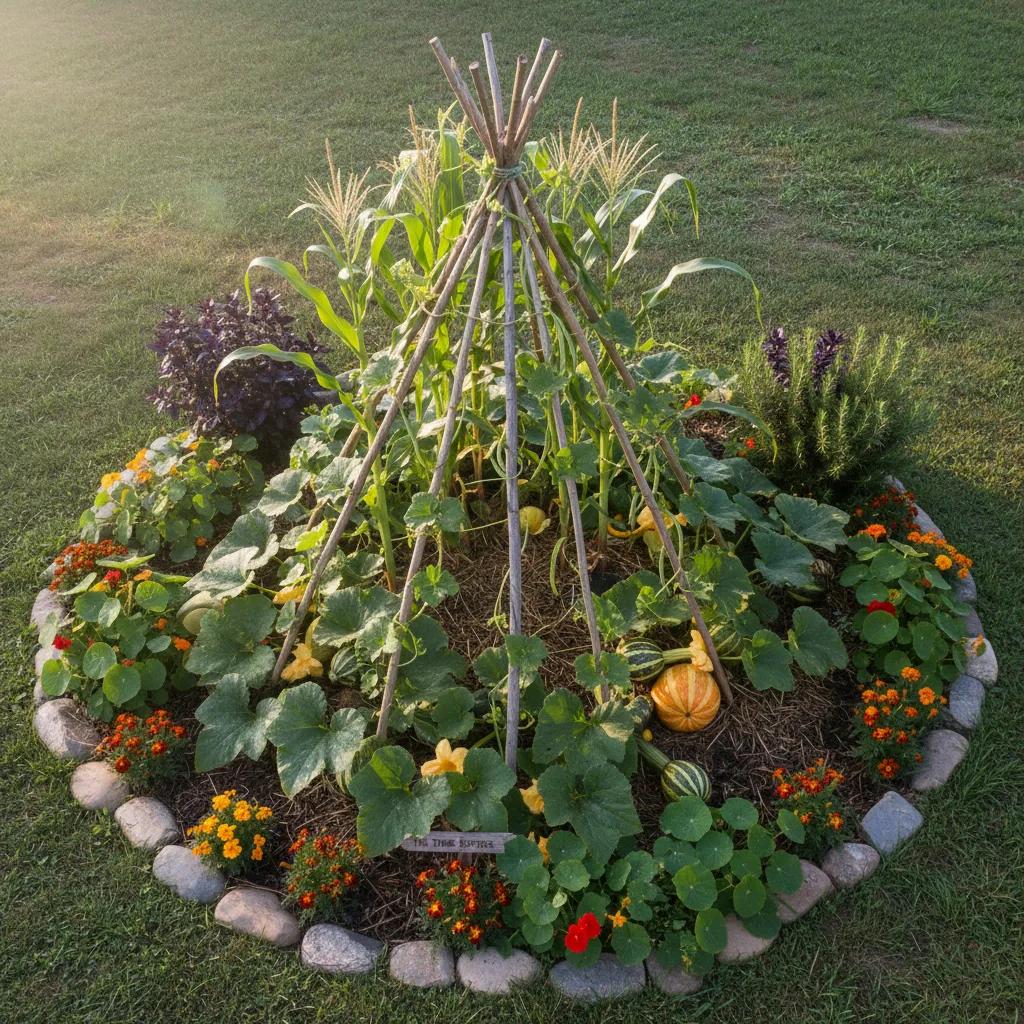
Another classic example is the “Three Sisters” method. By planting corn, beans, and squash together, you create a symbiotic environment. The squash leaves act as a living mulch, suppressing weeds and deterring crawling pests with their prickly stems. Therefore, choosing the right neighbors can reduce your manual labor significantly. I recommend checking our Seasonal Planting Calendar to time your companion crops perfectly.
2. Attracting Beneficial Insects
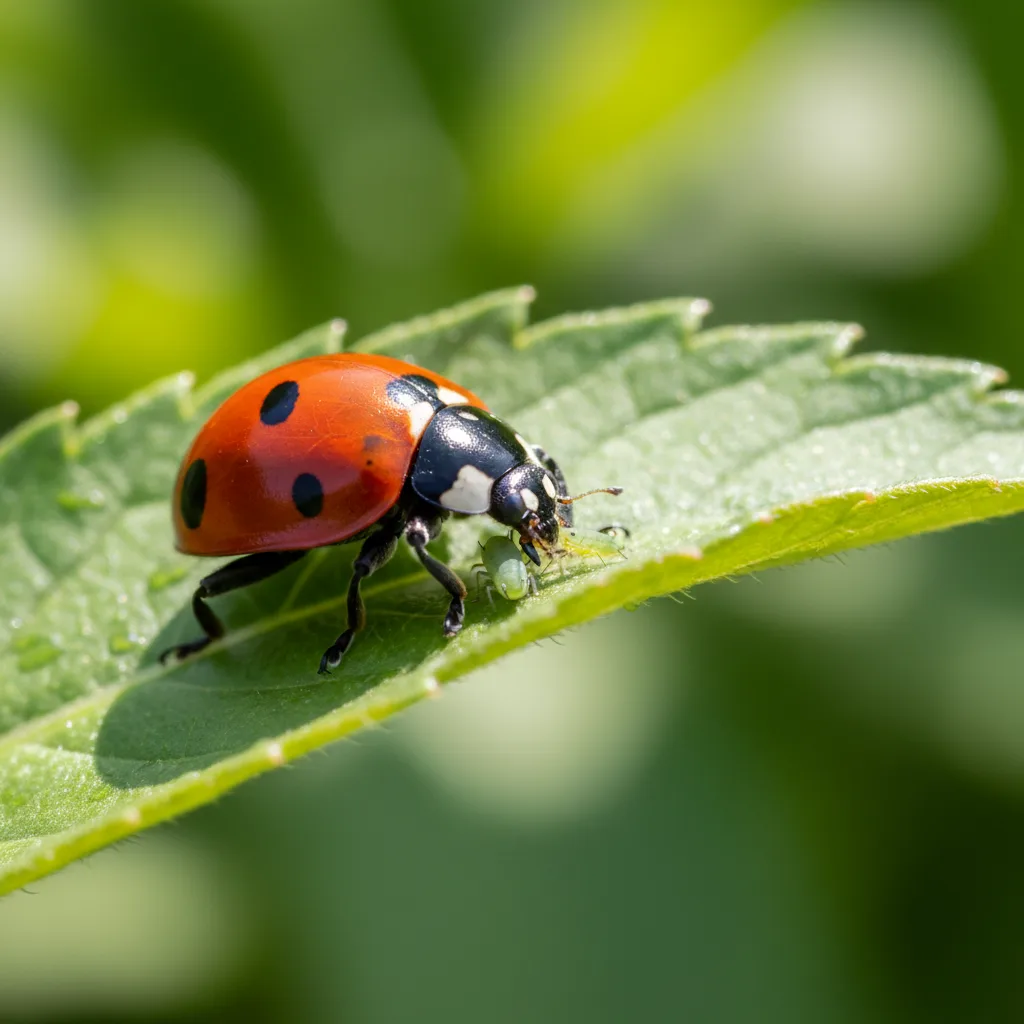
One of the most effective 10 Natural Pest Control Methods for a Chemical-Free Garden is letting nature do the hunting for you. Specifically, you want to invite “the big three”: ladybugs, lacewings, and hoverflies. These insects are voracious predators of soft-bodied pests. For example, a single ladybug can consume up to 5,000 aphids in its lifetime.
To attract these allies, you must provide a habitat. I leave small patches of native wildflowers and dill throughout my beds. The Xerces Society emphasizes that providing nectar sources throughout the season is vital for maintaining predator populations. Consequently, your garden becomes a self-correcting machine where pests are kept in check before they reach outbreak levels.
3. Using Diatomaceous Earth Correctly
Diatomaceous Earth (DE) is a powder made from the fossilized remains of tiny aquatic organisms called diatoms. While it feels like soft flour to us, it is incredibly abrasive to insects with exoskeletons. When a slug or beetle crawls over it, the powder creates microscopic cuts that cause the pest to dehydrate. However, it is essential to use “food-grade” DE to ensure it is safe for your pets and family.
I typically apply DE around the base of my kale plants to prevent cabbage looper damage. It is important to remember that DE loses effectiveness when wet. Therefore, you should reapply it after heavy rain or morning dew. For more safety data on mechanical controls like this, the National Pesticide Information Center provides excellent resources on non-chemical applications.
4. Homemade Neem Oil Sprays
Neem oil is a naturally occurring pesticide found in the seeds of the neem tree. It works by disrupting the hormonal systems of insects, preventing them from feeding or maturing. Specifically, it is effective against spider mites, scale, and fungal issues like powdery mildew. I have found that a weekly application during humid months keeps my squash leaves green and healthy.
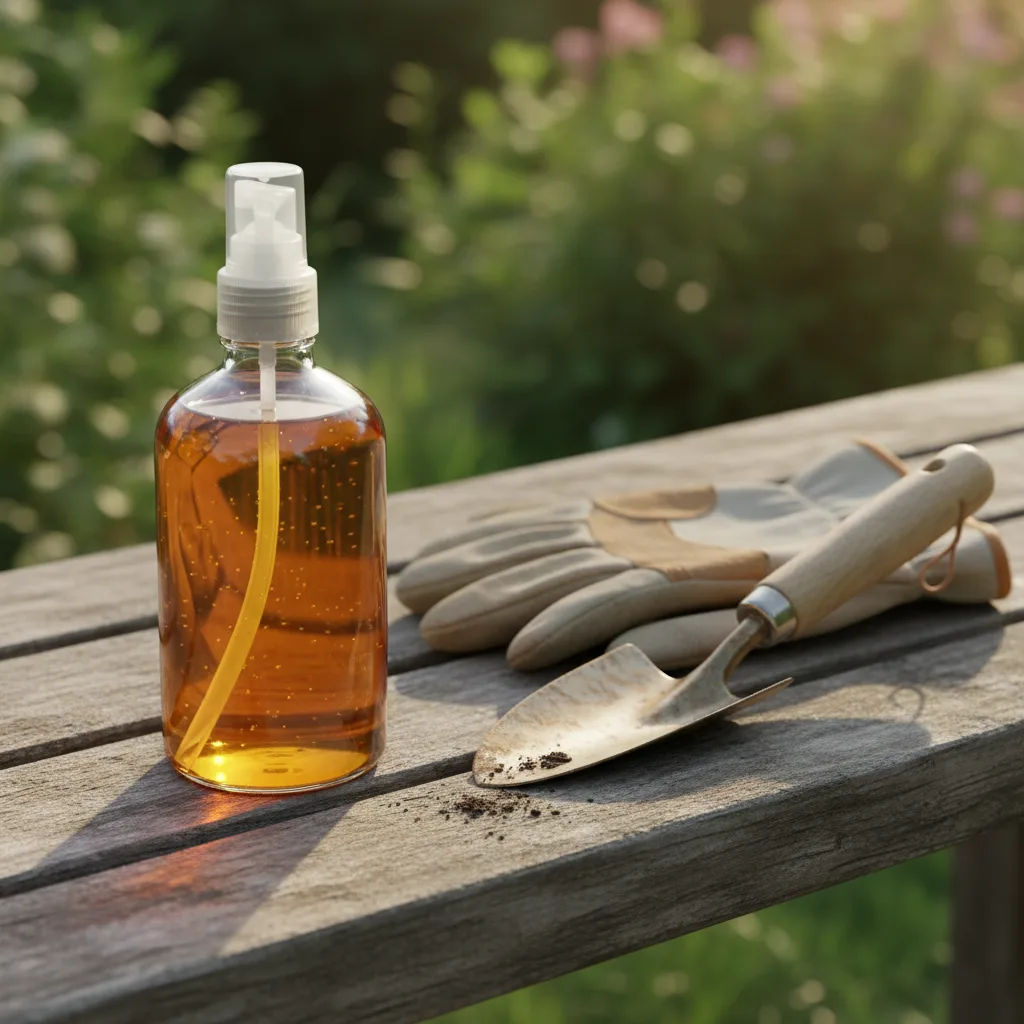
To make your own, mix two teaspoons of high-quality neem oil with one teaspoon of mild castile soap in a quart of warm water. The soap acts as an emulsifier. According to the EPA, neem is considered a minimum-risk pesticide, making it a cornerstone of organic management. If you are growing inside, this works perfectly for a DIY indoor herb garden as well.
5. Biological Controls: Bacillus Thuringiensis (Bt)
When dealing with heavy infestations of caterpillars or tomato hornworms, Bt is a lifesaver. This naturally occurring bacterium produces proteins that are toxic to specific insect larvae. The beauty of Bt is its specificity; it doesn’t harm birds, fish, or humans. It only targets the digestive systems of the pests that consume it. Specifically, many commercial organic farmers rely on it for large-scale protection.
I apply Bt liquid spray in the late evening when the sun won’t degrade the bacteria. Studies from the University of New Hampshire show that targeted biological controls like Bt are significantly safer for the overall ecosystem than broad-spectrum chemicals. Consequently, it has become a staple in my 2026 gardening toolkit.
6. Crop Rotation and Soil Health
Many pests overwinter in the soil, waiting for their favorite host plant to return. By rotating your crops annually, you break their life cycle. For example, never plant potatoes where tomatoes were the previous year, as they share common pests like the Colorado potato beetle. Furthermore, healthy soil acts as the first line of defense. Plants grown in compost-rich soil produce more phytoalexins, which are natural antibiotic compounds.
I focus heavily on regenerative gardening to boost this immunity. The USDA NRCS highlights that high soil organic matter supports a diverse microbial community that can actually suppress soil-borne pathogens. Therefore, feeding your soil is effectively feeding your pest-control team.
7. Physical Barriers and Row Covers
Sometimes the simplest solution is a physical one. Floating row covers are lightweight fabrics that allow light and water through but block insects. I use these primarily for my brassicas (broccoli and cabbage) to keep the white cabbage butterfly from laying eggs. Specifically, if they can’t land on the plant, they can’t start an infestation.
For larger pests like birds or squirrels, bird netting is essential. However, ensure the mesh is small enough that creatures don’t get tangled. In my experience, preventing the problem physically is far more efficient than trying to solve it biologically later. You can find more about water-efficient protective structures in our guide to 15 sustainable gardening practices.
8. Trap Cropping
Trap cropping involves planting a “sacrificial” crop to lure pests away from your main harvest. For instance, I plant nasturtiums near my cucumbers. Aphids are naturally drawn to the succulent stems of the nasturtium. Once the trap crop is infested, you can either remove it entirely or let beneficial insects congregate there to feast. This keeps your primary vegetables clean and chemical-free.
A study published in Nature suggests that diversified farm landscapes using trap crops can reduce pest density by up to 50%. Indeed, this method leverages the natural preferences of insects to your advantage. It is a brilliant way to maintain 10 Natural Pest Control Methods for a Chemical-Free Garden without breaking a sweat.
9. Encouraging Birds and Bats
Nature’s heavy hitters in pest control are often overlooked. A single swallow or chickadee can eat hundreds of insects every hour during nesting season. Similarly, bats are incredible at controlling nocturnal pests like moths and mosquitoes. By installing birdhouses and bat boxes, you invite these predators to set up permanent residence in your yard.
The Audubon Society notes that native plantings are the best way to support these avian helpers. Specifically, providing a consistent water source, such as a solar-powered birdbath, makes your garden an irresistible habitat. Consequently, your reliance on any external sprays—even organic ones—will continue to drop.
10. Garlic and Chili Pepper Sprays
If you need a quick, pungent deterrent, look no further than your kitchen pantry. Garlic and hot peppers contain compounds like allicin and capsaicin that are highly irritating to many garden pests. I blend two bulbs of garlic with a handful of habanero peppers, steep them in hot water overnight, and strain the mixture into a spray bottle. Specifically, this is excellent for deterring deer and rabbits as well as smaller insects.
However, be careful when applying this spray. It is so potent that it can irritate your eyes and skin. Therefore, always wear gloves during the process. According to the UC Davis Integrated Pest Management program, these botanical repellents are effective but require frequent reapplication, especially after irrigation.
Comparison: Natural vs. Chemical Pest Control
| Feature | Natural Methods | Chemical Pesticides |
|---|---|---|
| Impact on Pollinators | Minimal to none when targeted properly. | Often high, leading to bee colony collapse. |
| Cost | Very low (DIY or biological). | High recurring purchase costs. |
| Soil Health | Promotes a thriving microbiome. | Can sterilize soil and kill earthworms. |
| Long-term Success | Increases with ecosystem balance. | Decreases as pests build resistance. |
Advantages and Disadvantages of Natural Pest Control
Transitioning to 10 Natural Pest Control Methods for a Chemical-Free Garden offers incredible rewards, but it requires a mindset shift. Specifically, you must accept that you might see a few bitten leaves. However, the long-term health of your family and the planet is worth the minor aesthetic trade-off.
- Advantages: Safer food, lower costs, protection of beneficial wildlife, and improved soil fertility over time.
- Disadvantages: Requires more frequent monitoring, slower “kill” time compared to chemicals, and effectiveness varies with weather conditions.
Frequently Asked Questions
Is vinegar a safe pest control for gardens?
While vinegar is a great natural weed killer, I advise caution using it as a pest control on vegetables. The acidity can burn the leaves of your sensitive garden plants. Specifically, it is better used as a spot treatment on weeds rather than a spray for insects on your crops.
How long does it take for beneficial insects to work?
Typically, it takes about 1-2 weeks for a newly released population of ladybugs or lacewings to find and consume a pest colony. Therefore, patience is key. You are building an ecosystem, not just clearing a surface. Furthermore, once established, they will continue to patrol your garden for the entire season.
Can I use these methods for indoor plants?
Absolutely. Methods like neem oil, soap sprays, and physical removal are perfect for indoor environments. Since there are fewer natural predators inside, you may need to be more diligent with manual applications. Specifically, keeping your indoor air humid can also prevent spider mite infestations.
Conclusion: Embracing a Greener Future
Choosing to implement 10 Natural Pest Control Methods for a Chemical-Free Garden is a profound step toward a more sustainable lifestyle. In 2026, we have the tools and the knowledge to grow food without harming the earth. By observing our gardens as living systems rather than static objects, we can enjoy healthier harvests and a more vibrant environment. Specifically, every ladybug you save and every batch of compost you build contributes to a global effort of regeneration. I encourage you to start small, pick one or two methods this week, and watch your garden transform into a resilient paradise.

Written by Mangaleswaran
Mangaleswaran is a dedicated sustainable living expert and the founder of EcoDweller. With a deep passion for renewable energy, he specializes in simplifying complex green technologies—like solar power and home efficiency—for the modern homeowner. His mission is to empower individuals to reduce their environmental impact while building more cost-effective, eco-friendly homes for the future.
Follow on Facebook