
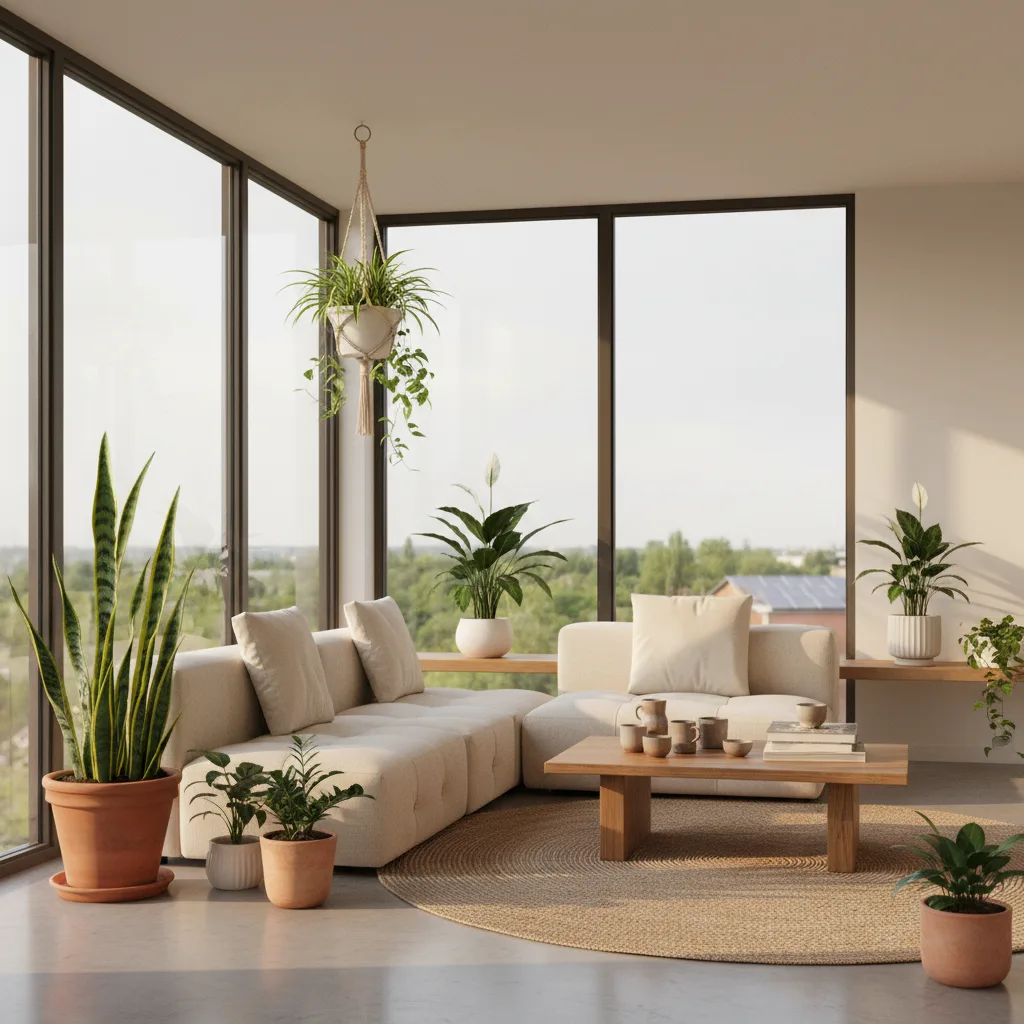
I remember waking up in my city apartment early in 2026, feeling that familiar, heavy morning stuffiness despite my best efforts to live sustainably. The air felt stagnant, almost thick with the invisible residue of modern life, from furniture off-gassing to city smog creeping through the vents. Consequently, I embarked on a mission to transform my living space into a natural sanctuary, specifically researching the 8 Best Air-Purifying Indoor Plants to Refresh Your Home. This journey wasn’t just about aesthetics; it was about reclaiming my health through the power of biology.
Table of Contents
- ●Key Takeaways
- ●The Science Behind Air-Purifying Indoor Plants
- ●Our Top Picks: 8 Best Air-Purifying Indoor Plants to Refresh Your Home
- ●1. The Resilient Snake Plant (Sansevieria trifasciata)
- ●2. The Versatile Spider Plant (Chlorophytum comosum)
- ●3. The Elegant Peace Lily (Spathiphyllum)
- ●4. The Hardy Golden Pothos (Epipremnum aureum)
- ●5. Aloe Vera (Aloe barbadensis miller)
- ●6. The Tropical Bamboo Palm (Chamaedorea seifrizii)
- ●7. The Robust Rubber Tree (Ficus elastica)
- ●8. The Striking Dracaena (Dracaena marginata)
- ●Performance Comparison: Air Purification Metrics
- ●Advantages and Disadvantages of Botanical Air Purification
- ●Advantages
- ●Disadvantages
- ●Maximizing Your Results: Expert Tips
- ●Frequently Asked Questions
- ●How many plants do I need per room?
- ●Which air-purifying plants are safe for cats?
- ●Can plants really remove VOCs in a real home setting?
- ●Conclusion: Breathe Easier in 2026
Key Takeaways
- Specific plants can effectively remove Volatile Organic Compounds (VOCs) like formaldehyde and benzene.
- The NASA Clean Air Study remains the gold standard for understanding botanical air filtration.
- Optimal placement in bedrooms and home offices maximizes the respiratory benefits of indoor greenery.
- Combining these plants with low-VOC furniture creates a comprehensive approach to indoor air quality.
The Science Behind Air-Purifying Indoor Plants
To understand why these plants work, we must look at the way they breathe. Plants don’t just produce oxygen; they act as biological filters. Through a process called phytoremediation, they absorb gases through their leaves and roots. According to the original NASA Clean Air Study, certain species are exceptionally efficient at capturing pollutants. Specifically, they target chemicals like trichloroethylene, which is often found in printing inks and lacquers.
Furthermore, the soil itself plays a crucial role. Microorganisms in the potting mix work in tandem with the plant roots to break down toxic compounds. This symbiotic relationship is why I focused on finding the 8 Best Air-Purifying Indoor Plants to Refresh Your Home for my own space. In 2026, as we spend more time indoors, these natural allies are more critical than ever. However, it is important to remember that plants are a supplement to, not a replacement for, proper ventilation and high-efficiency filters.
Our Top Picks: 8 Best Air-Purifying Indoor Plants to Refresh Your Home
1. The Resilient Snake Plant (Sansevieria trifasciata)
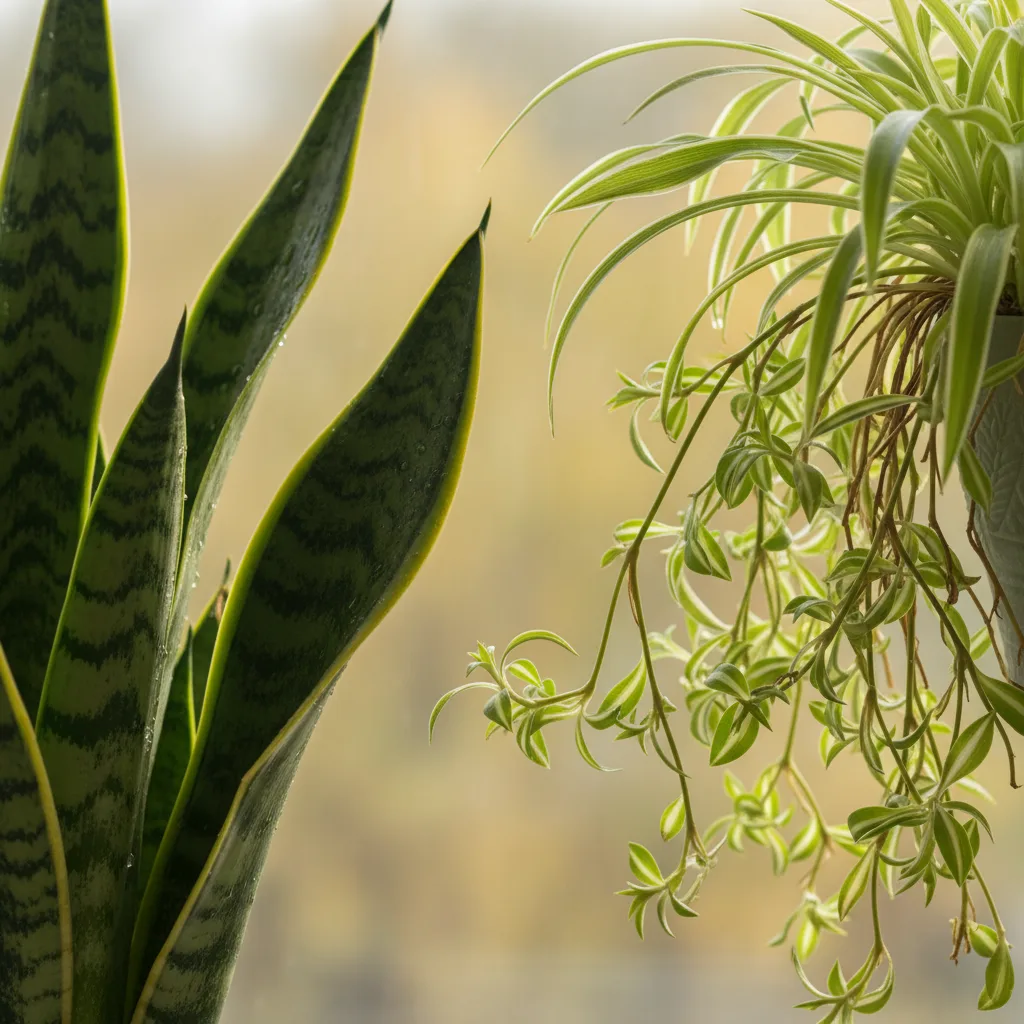
The Snake Plant is arguably the king of low-maintenance greenery. Also known as “Mother-in-Law’s Tongue,” it is unique because it converts CO2 into oxygen at night. Most plants do this during the day, but the Snake Plant’s nocturnal cycle makes it perfect for bedrooms. Specifically, it is highly effective at removing formaldehyde, which is common in cleaning products and tissues. Therefore, placing one near your bed can significantly improve your sleep quality by providing a fresh oxygen boost while you rest.
2. The Versatile Spider Plant (Chlorophytum comosum)
If you are a beginner, the Spider Plant is your best friend. It is incredibly tough and produces “pups” that you can easily propagate. According to the EPA’s guidelines on indoor air quality, reducing pollutants like carbon monoxide is vital for long-term health. The Spider Plant excels at this task. In addition, it is non-toxic to pets, making it a safe choice for households with curious cats or dogs. I often recommend this as a starting point for anyone looking into the 8 Best Air-Purifying Indoor Plants to Refresh Your Home.
3. The Elegant Peace Lily (Spathiphyllum)
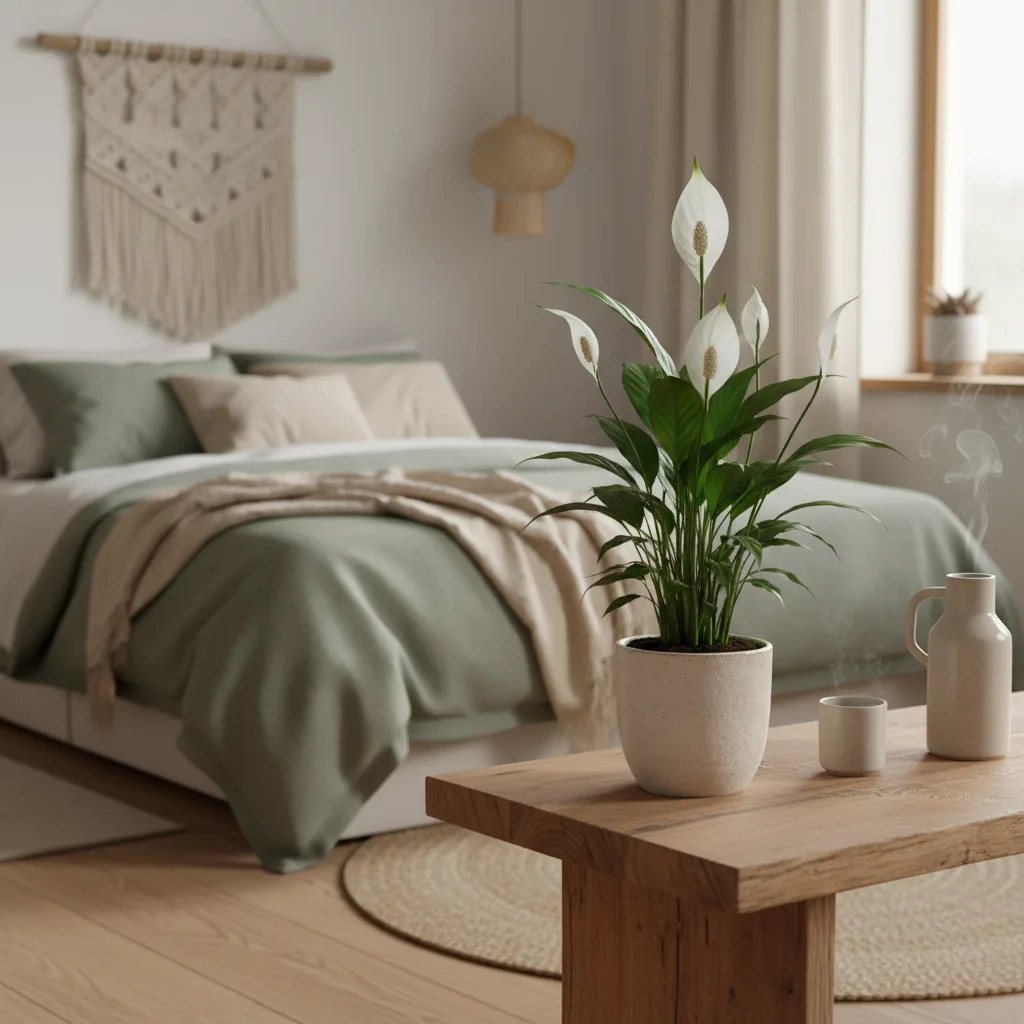
Peace Lilies are as functional as they are beautiful. They are one of the few air-purifying plants that also flower indoors. In my experience, they are exceptional at removing ammonia, often found in glass cleaners. However, be aware that Peace Lilies are toxic if ingested. You should keep them on high shelves away from children. If you are also managing a DIY indoor herb garden, ensure the Peace Lily doesn’t crowd your edible plants, as it requires slightly different humidity levels.
4. The Hardy Golden Pothos (Epipremnum aureum)
Known as “Devil’s Ivy” because it is nearly impossible to kill, the Golden Pothos is a trailing vine that looks stunning on bookshelves. It is highly efficient at filtering benzene and xylene. These chemicals often enter our homes through car exhaust in attached garages or certain paints. Consequently, hanging a Pothos in your entryway or near a garage door is a strategic move. For those interested in more advanced setups, you might compare this to hydroponic gardening for urban apartments, as Pothos can actually grow quite well in just water.
5. Aloe Vera (Aloe barbadensis miller)
Aloe Vera is a dual-purpose wonder. Not only does it help clear formaldehyde and benzene, but the gel inside its leaves is also a natural remedy for burns. Interestingly, Aloe Vera acts as a biological monitor. If the air in your home becomes heavily polluted, the plant’s leaves may develop brown spots, serving as a visual warning. This makes it a standout member of the 8 Best Air-Purifying Indoor Plants to Refresh Your Home. It thrives in sunny kitchen windows where it is always within reach for minor culinary burns.
6. The Tropical Bamboo Palm (Chamaedorea seifrizii)
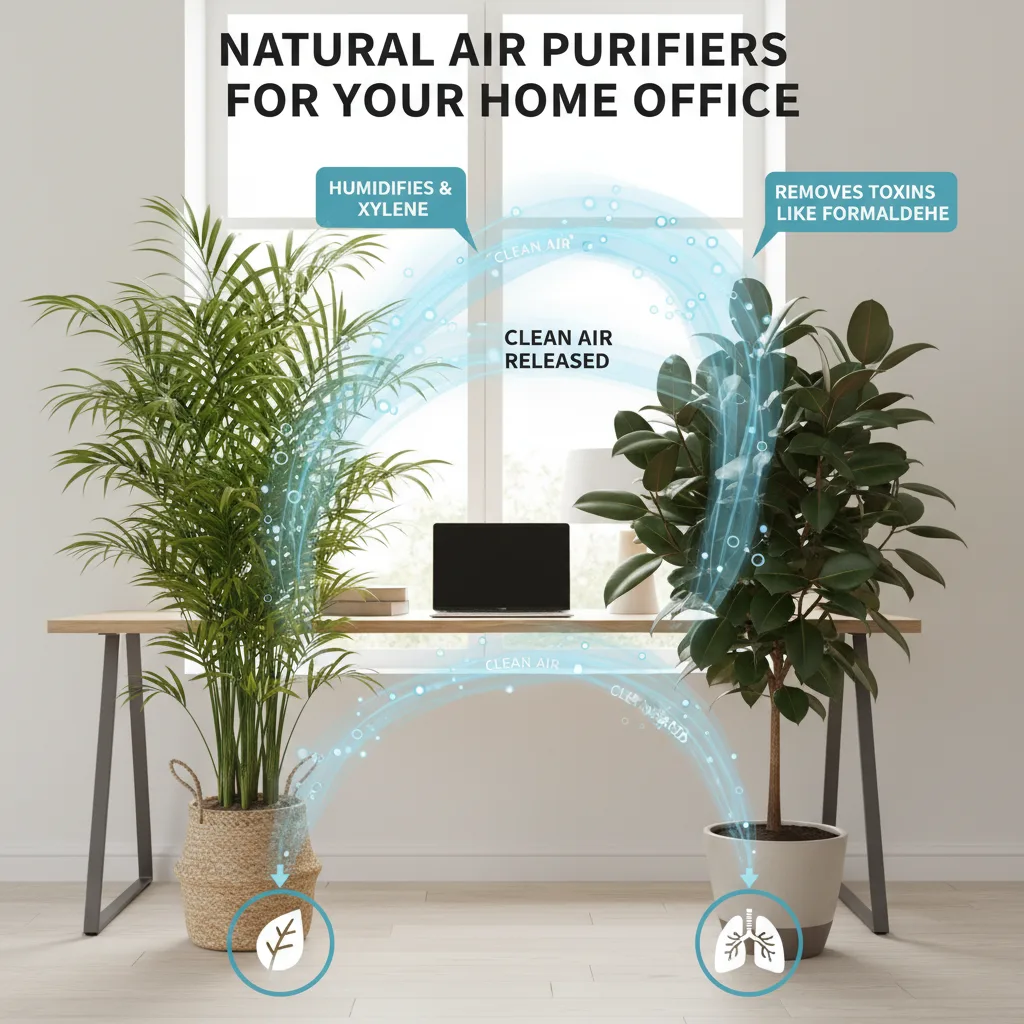
If you want to add a tropical feel while scrubbing your air, the Bamboo Palm is the perfect choice. It excels at filtering trichloroethylene and benzene. Unlike many other palms, it prefers indirect light, making it suitable for corners of the living room. Furthermore, it acts as a natural humidifier, releasing moisture into the air. This is particularly beneficial in the winter when heaters tend to dry out our skin and respiratory tracts. Many homeowners find that integrating these palms complements their natural pest control methods, as healthy humidity levels can deter certain indoor pests.
7. The Robust Rubber Tree (Ficus elastica)
The Rubber Tree is a powerhouse of carbon monoxide removal. Its large, waxy leaves provide a significant surface area for air exchange. I’ve found that these plants are particularly effective in home offices where printers and other electronics may emit small amounts of chemicals. They prefer bright, filtered light and consistent watering. While they are stunning, keep in mind that their sap can be an irritant to some people. Therefore, handle them with care during pruning.
8. The Striking Dracaena (Dracaena marginata)
Dracaenas come in many varieties, but the Red-Edged Dracaena is my favorite for air quality. It is specifically skilled at removing xylene and trichloroethylene. These chemicals are frequently found in varnishes and oils. If you have recently renovated or bought new furniture in 2026, a few Dracaenas can help mitigate the “new house smell” which is often just chemical off-gassing. They are slow-growing and can reach up to 10 feet, making them a great structural element in your home decor.
Performance Comparison: Air Purification Metrics
Choosing between the 8 Best Air-Purifying Indoor Plants to Refresh Your Home depends on your specific needs. Some are better for chemical removal, while others focus on oxygen production. Below is a summary based on common indoor pollutants.
| Plant Name | Primary Pollutant Target | Care Difficulty |
|---|---|---|
| Snake Plant | Formaldehyde, CO2 (Night) | Very Low |
| Spider Plant | Carbon Monoxide, Xylene | Low |
| Peace Lily | Ammonia, Benzene | Moderate |
| Bamboo Palm | Trichloroethylene | Moderate |
Advantages and Disadvantages of Botanical Air Purification
While I am a huge advocate for indoor plants, it is important to have a balanced perspective. Utilizing the 8 Best Air-Purifying Indoor Plants to Refresh Your Home offers numerous benefits, but there are also logistical considerations to keep in mind.
Advantages
- Natural Filtration: Unlike mechanical filters, plants don’t require electricity.
- Psychological Benefits: Studies from the Harvard Health Publishing suggest that greenery reduces stress and boosts productivity.
- Humidity Control: Plants naturally transpire, adding moisture to dry indoor air.
- Aesthetic Appeal: They transform a clinical room into a warm, inviting living space.
Disadvantages
- Maintenance: All plants require some level of watering, lighting, and fertilization.
- Potential Allergens: Some flowering plants may release pollen or harbor mold in overwatered soil.
- Pet Toxicity: Several air-purifying species are toxic to cats and dogs if chewed.
- Space Constraints: To see a massive improvement in air quality, you often need multiple large plants.
Maximizing Your Results: Expert Tips
To truly refresh your home, you need to think about more than just the plants. According to the American Lung Association, source control is the most effective way to improve air quality. This means avoiding synthetic fragrances and harsh chemicals. When you combine source control with the 8 Best Air-Purifying Indoor Plants to Refresh Your Home, you create a powerful defense against indoor pollution.
In addition, consider the soil health. Using organic potting soil prevents the introduction of new chemicals into your air. If you’re looking for long-term sustainability, check out the Colorado State Extension guide on houseplant maintenance. They provide excellent data on nutrient management that keeps your botanical filters running at peak efficiency. Moreover, ensure your pots have proper drainage to prevent root rot and mold growth.
Frequently Asked Questions
How many plants do I need per room?
The general rule of thumb derived from the NASA study suggests one medium-sized plant for every 100 square feet of living space. However, having more plants won’t hurt! The more leaf surface area you have, the better the air filtration.
Which air-purifying plants are safe for cats?
Among the 8 Best Air-Purifying Indoor Plants to Refresh Your Home, the Spider Plant and many varieties of Palms are non-toxic to cats. Always cross-reference with the ASPCA’s database before bringing a new plant home.
Can plants really remove VOCs in a real home setting?
Yes, but with caveats. While a single plant won’t replace a high-end HEPA filter, a collection of plants can measurably reduce certain chemicals over time. Specifically, researchers at the Smithsonian note that while the laboratory results are impressive, real-world ventilation also plays a massive role.
Conclusion: Breathe Easier in 2026
Refreshing your home with the 8 Best Air-Purifying Indoor Plants to Refresh Your Home is one of the most rewarding steps you can take on your sustainability journey. Not only do these plants clean the air, but they also bring a sense of calm and vitality into our increasingly digital lives. Whether you start with a single, unkillable Snake Plant or build a lush indoor jungle, you are investing in your long-term well-being. Furthermore, as we look toward a greener future, these simple, biological solutions remind us of our connection to the natural world. If you’re ready to expand your sustainable home journey even further, check out our other guides on eco-friendly living.

Written by Mangaleswaran
Mangaleswaran is a dedicated sustainable living expert and the founder of EcoDweller. With a deep passion for renewable energy, he specializes in simplifying complex green technologies—like solar power and home efficiency—for the modern homeowner. His mission is to empower individuals to reduce their environmental impact while building more cost-effective, eco-friendly homes for the future.
Follow on Facebook