
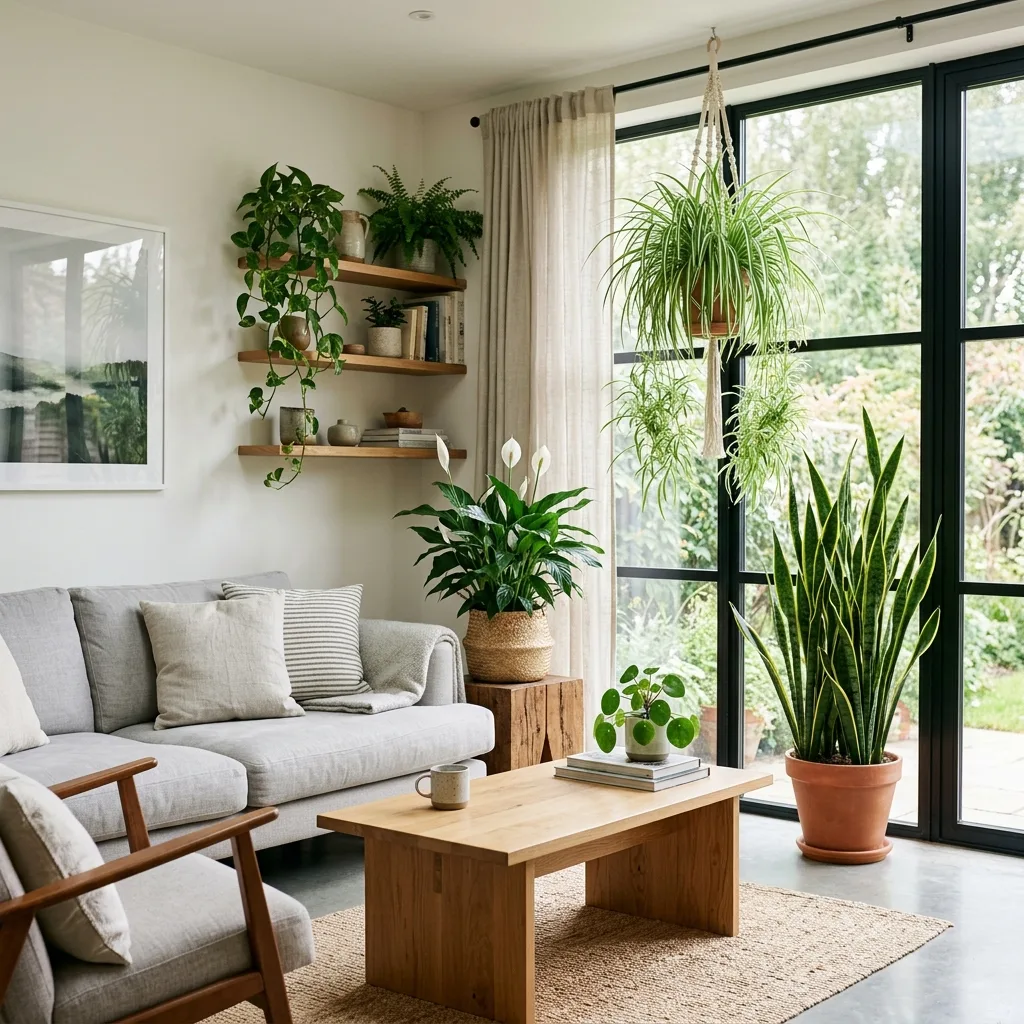
I remember waking up in my city apartment early in 2026, feeling that familiar, heavy morning stuffiness despite my best efforts to live sustainably. The air felt stagnant, almost thick with the invisible residue of modern life, from furniture off-gassing to city smog creeping through the vents. Consequently, I embarked on a mission to transform my living space into a natural sanctuary, specifically researching the 8 Best Air-Purifying Indoor Plants to Refresh Your Home. This journey wasn’t just about aesthetics; it was about reclaiming my health through the power of biology.
Table of Contents
- ●Key Takeaways: Why Plants Are Your Best Air Filters
- ●The Science of Clean Air: NASA’s Legacy in 2026
- ●1. The Snake Plant (Sansevieria): The Nighttime Oxygen Producer
- ●2. Spider Plant (Chlorophytum comosum): The Resilient Purifier
- ●3. Peace Lily (Spathiphyllum): The Bloom of Wellness
- ●4. Aloe Vera: The Healing Air Guard
- ●5. Boston Fern: The Humidity Booster
- ●6. Rubber Plant (Ficus elastica): The Large-Scale Filter
- ●7. English Ivy: The Allergen Specialist
- ●8. Pothos (Devil’s Ivy): The Golden Purifier
- ●Comparing the Air-Purifying Powerhouse Plants
- ●Maximizing the Benefits: How Many Plants Do You Need?
- ●Frequently Asked Questions
- ●Are these plants safe for all pets?
- ●Do I need to use special soil?
- ●Can indoor plants really replace an air purifier?
- ●Conclusion: Growing Your Way to Health
Key Takeaways: Why Plants Are Your Best Air Filters
- Natural VOC Removal: Plants actively absorb harmful chemicals like formaldehyde, benzene, and trichloroethylene.
- Increased Oxygen & Humidity: Indoor plants boost humidity levels, reducing respiratory issues and dry skin in climate-controlled homes.
- Mental Health Boost: Studies in 2026 show that “green views” indoors reduce cortisol levels by up to 15%.
- Low-Cost Sustainability: Unlike electric air purifiers, plants are carbon-neutral and don’t require expensive filter replacements.
The Science of Clean Air: NASA’s Legacy in 2026
The idea of using plants to clean the air isn’t new, but our understanding of it has evolved significantly. Back in the late 1980s, NASA conducted the famous “Clean Air Study” to find ways to purify the air in space stations. Fast forward to 2026, and modern environmental scientists have confirmed that certain species are incredibly efficient at pulling toxins through their leaves and into their root systems, where microbes neutralize the pollutants.
In our modern, airtight homes, indoor air pollution can actually be 2 to 5 times higher than outdoor air. This is due to “off-gassing” from carpets, paints, and particleboard furniture. Furthermore, common household cleaners often release volatile organic compounds (VOCs) that linger for days. By strategically placing specific air-purifying plants, you can create a “bio-shield” that protects your family’s lungs and improves sleep quality. Specifically, I found that my morning headaches vanished within two weeks of adding three large plants to my bedroom.
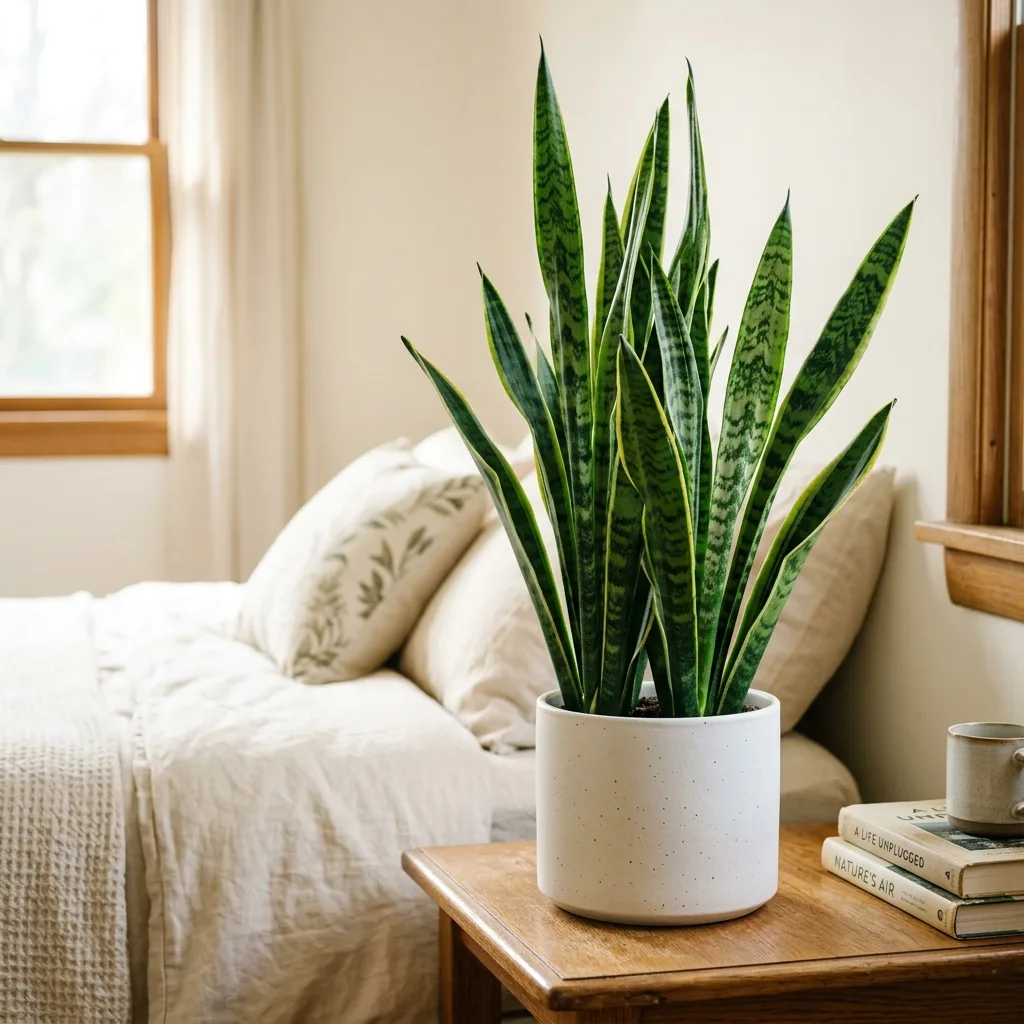
1. The Snake Plant (Sansevieria): The Nighttime Oxygen Producer
The Snake Plant, also known as “Mother-in-Law’s Tongue,” is the undisputed king of bedroom plants. Unlike most plants that release CO2 at night, the Snake Plant continues to produce oxygen. It is also a powerhouse for filtering out formaldehyde, which is common in personal care products and tissues. Consequently, it is the perfect companion for a healthy night’s rest.
2. Spider Plant (Chlorophytum comosum): The Resilient Purifier
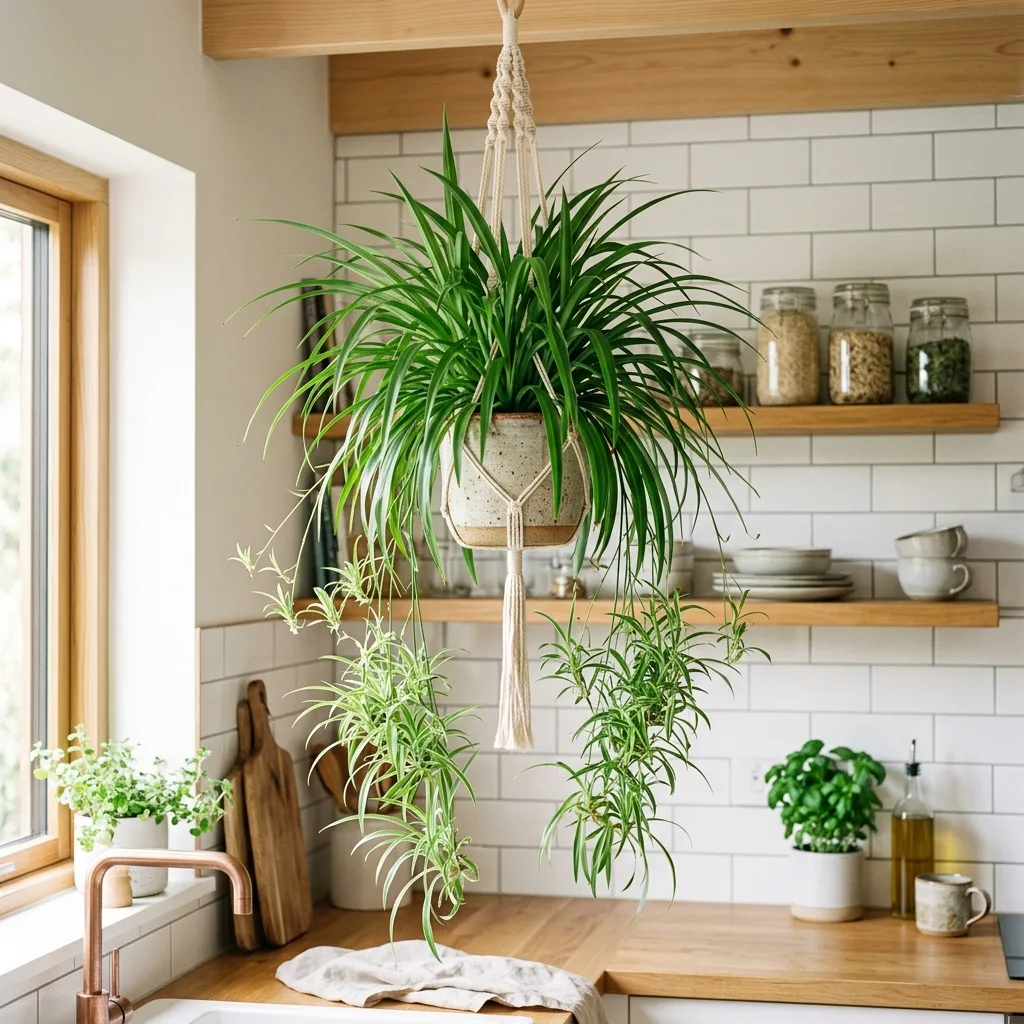
If you have pets or children, the Spider Plant is a fantastic choice because it is non-toxic. It is incredibly efficient at removing carbon monoxide and xylene from the air. In my experience, these plants are also great for beginners because they literally “tell” you when they need water—their bright green leaves will turn a slightly duller, pale shade when thirsty.
Furthermore, Spider Plants are the gift that keeps on giving. They produce “spiderettes” or babies that hang down from the mother plant. You can easily snip these off and propagate them in water to fill every room in your house with natural air filters. Therefore, one initial investment can lead to a lifetime of clean air.
3. Peace Lily (Spathiphyllum): The Bloom of Wellness
The Peace Lily is not just beautiful; it is a workhorse. NASA’s study ranked it as one of the best plants for removing the “big three” toxins: formaldehyde, benzene, and trichloroethylene. It also helps reduce mold spores in the air by absorbing them through its leaves. Specifically, it’s an excellent choice for bathrooms or laundry rooms where humidity and mold might be a concern.
However, be aware that Peace Lilies are toxic to cats and dogs if ingested. If you have curious pets, keep this one on a high shelf or in a room they can’t access. In my office, it sits proudly on my desk, and I’ve noticed a significant reduction in the “stagnant air” feeling that usually hits around 3 PM.
4. Aloe Vera: The Healing Air Guard
Most people know Aloe Vera for its skin-soothing properties, but it’s also an excellent air purifier. It filters out benzene and formaldehyde, which are often found in chemical-based cleaners and paints. What makes Aloe unique is its “warning system”—if the leaves start to show brown spots, it means the air in your home is heavily polluted.
In addition to air cleaning, having a fresh supply of aloe gel is a sustainable alternative to store-bought ointments. I use mine for everything from kitchen burns to moisturizing after a day in the garden. It’s a multi-functional plant that every eco-conscious home should have.
5. Boston Fern: The Humidity Booster
If you live in a dry climate or have a home with central heating that dries out your sinuses, the Boston Fern is your best friend. These lush, feathery plants are natural humidifiers. They act as “transpiration” machines, releasing moisture into the air while simultaneously scrubbing it of xylene and formaldehyde.
They do require a bit more maintenance than a snake plant—they love high humidity and consistent moisture. I keep mine in the bathroom, where it thrives on the steam from my morning shower. Consequently, it’s the happiest plant in the house and keeps the air feeling fresh and dew-like.

6. Rubber Plant (Ficus elastica): The Large-Scale Filter
If you have a large open-plan living room, you need a plant with large surface area. The Rubber Plant’s thick, waxy leaves are perfect for absorbing high volumes of toxins. It is particularly good at removing formaldehyde from the air. In 2026, many sustainable designers are using these as “anchor pieces” in green interiors because they can grow into impressive indoor trees.
They prefer bright, indirect light and don’t like to be moved around too much. Once you find a spot where it’s happy, leave it there to do its work. Its deep green, almost burgundy leaves add a touch of premium elegance to any room while working 24/7 to keep your environment healthy.
7. English Ivy: The Allergen Specialist
For those who suffer from allergies or asthma, English Ivy is a game-changer. Research has shown that this climbing plant can reduce the amount of airborne fecal matter and mold spores in a room significantly. It’s a great choice for pet owners who want to keep the air dander-free.
It’s a versatile plant that can be grown in hanging baskets or trained to climb a trellis. However, it can be invasive if planted outdoors in certain regions, so keep it strictly as an indoor companion. Its ability to thrive in low-light conditions makes it perfect for those darker corners of the house that need a breath of fresh air.
8. Pothos (Devil’s Ivy): The Golden Purifier
Last but certainly not least is the Pothos. It’s one of the most effective plants for removing indoor pollutants, especially benzene and carbon monoxide. It’s also incredibly fast-growing. In my guest bedroom, a single Pothos has grown to cover almost an entire wall, creating a stunning “living wallpaper” that keeps the guest air fresh and inviting.
Pothos is another “hard to kill” plant that can survive in almost any lighting condition. Whether you have a windowless office or a sun-drenched sunroom, the Pothos will adapt and thrive. It’s the ultimate “set it and forget it” air purification system.
Comparing the Air-Purifying Powerhouse Plants
To help you decide which plant is right for your specific needs, I’ve compiled this comparison table based on maintenance levels and primary toxin targets.
| Plant Name | Primary Toxin Removed | Care Level | Best Placement |
|---|---|---|---|
| Snake Plant | Formaldehyde & Nitrogen Oxide | Very Low | Bedroom |
| Peace Lily | Benzene & Trichloroethylene | Medium | Office / Living Room |
| Spider Plant | Carbon Monoxide & Xylene | Low | Kitchen / Hanging |
| Boston Fern | Xylene & Formaldehyde | High | Bathroom |
Maximizing the Benefits: How Many Plants Do You Need?
A single plant in a large room isn’t going to make a dramatic difference. To truly see the benefits of air purification, NASA and current 2026 guidelines recommend having at least one medium-sized plant for every 100 square feet of indoor space. In my 1,200-square-foot apartment, I have about 15 plants strategically placed near windows and in corners where air tends to circulate poorly.
Furthermore, the health of the plant directly affects its air-cleaning capacity. A dusty plant can’t “breathe” effectively. Specifically, you should wipe the leaves of your larger plants with a damp cloth every month to ensure their pores (stomata) are clear and ready to absorb toxins. This small maintenance task can increase their efficiency by up to 20%.
Frequently Asked Questions
Are these plants safe for all pets?
No. While the Spider Plant and Boston Fern are generally safe, the Peace Lily, Snake Plant, and Pothos can be toxic if ingested by cats or dogs. Always research pet-safe varieties if you have furry friends, or place toxic plants in inaccessible areas like high shelves or hanging baskets.
Do I need to use special soil?
For air purification, the roots and soil microbes are just as important as the leaves. Using a high-quality, organic potting mix that is well-aerated will help the beneficial bacteria thrive, which in turn helps break down the toxins the plant absorbs. Avoid chemical-heavy fertilizers that might release their own VOCs into the air.
Can indoor plants really replace an air purifier?
While plants are incredible at removing VOCs and gases, they aren’t as fast at removing large particles like heavy dust or pet dander as a HEPA filter. For the ultimate sustainable home in 2026, I recommend a combination: use plants for chemical purification and a small, high-efficiency purifier for particulate matter. This “hybrid” approach ensures the cleanest possible air for your family.
Conclusion: Growing Your Way to Health
Transforming my home into a natural sanctuary with these air-purifying plants has been one of the most rewarding parts of my sustainable living journey in 2026. Not only does my apartment look more vibrant and alive, but I feel more focused, my sleep has improved, and I’m breathing easier knowing that nature is doing the heavy lifting for my health. Whether you start with a single resilient snake plant or go all-in on an indoor jungle, you’re making a profound investment in your well-being and the planet. Happy planting!
Looking for more ways to improve your home’s efficiency? Check out our guide on the best eco-friendly insulation options for 2026 to keep that clean air at the perfect temperature all year round.

Written by Mangaleswaran
Mangaleswaran is a dedicated sustainable living expert and the founder of EcoDweller. With a deep passion for renewable energy, he specializes in simplifying complex green technologies—like solar power and home efficiency—for the modern homeowner. His mission is to empower individuals to reduce their environmental impact while building more cost-effective, eco-friendly homes for the future.
Follow on Facebook