
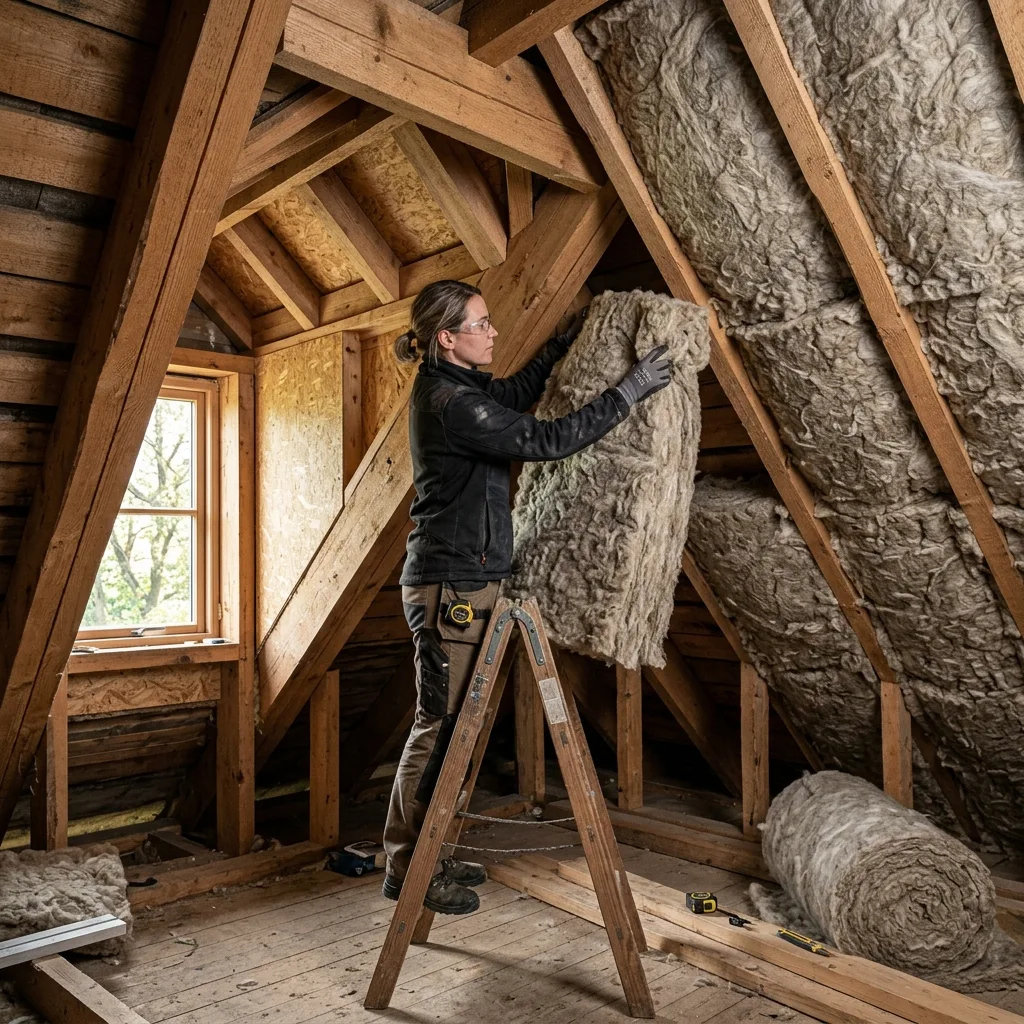
I remember standing in my attic on a biting February morning in 2026, watching the heat I’d paid so much for literally vanish through the rafters. The air wasn’t just cold; it was “expensive” cold. Despite my high-efficiency heat pump working overtime, the house felt drafty and the floorboards were icy. It was that moment of frustration that led me down the rabbit hole of high-performance building science. I realized that while technology like solar panels and smart thermostats are great, they are secondary to the most fundamental part of a sustainable home: the thermal envelope. Consequently, I decided to overhaul my home’s insulation, specifically looking for eco-friendly insulation options that wouldn’t just save me money, but would also be safe for my family and the planet.
Table of Contents
- ●Key Takeaways: Why Switch to Eco-Insulation?
- ●The Invisible Energy Drain: Why Your Current Insulation Might Be Failing You
- ●Top 5 Eco-Friendly Insulation Materials for 2026
- ●1. Recycled Cellulose: The Heavyweight Champion of Savings
- ●2. Sheep’s Wool: Nature’s Most Advanced Tech
- ●3. Recycled Cotton (Denim): The Comfort King
- ●4. Hemp Wool: The Carbon-Negative Choice
- ●5. Rigid Cork Board: For External and Floor Insulation
- ●The Numbers: Costs, R-Values, and ROI Comparison
- ●The Step-by-Step Guide to Planning Your Insulation Project
- ●Step 1: The Energy Audit (Crucial!)
- ●Step 2: Choose the Right Material for the Right Space
- ●Step 3: Ventilation is Vital
- ●Common Myths About Natural Insulation
- ●Expert Tips for a Healthier Home Environment
- ●Frequently Asked Questions
- ●Can I add eco-friendly insulation on top of my old fiberglass?
- ●How do I know if my attic has enough insulation?
- ●Does sheep’s wool insulation smell?
- ●Conclusion: Investing in a Resilient Future
Key Takeaways: Why Switch to Eco-Insulation?
- Superior Efficiency: Natural materials like sheep’s wool and cellulose often outperform traditional fiberglass in real-world thermal resistance.
- Health First: Eco-friendly options are free from formaldehyde, VOCs, and skin-irritating glass fibers.
- Massive ROI: With current 2026 tax credits in the US and Canada, many homeowners see a full return on investment in under 4 years.
- Carbon Sequestration: Materials like hemp and wood fiber actually store carbon, making your home a net positive for the environment.
The Invisible Energy Drain: Why Your Current Insulation Might Be Failing You
Most homes built before 2020 rely on standard pink fiberglass batts. While affordable, fiberglass has a significant weakness: it loses its R-value (thermal resistance) as soon as air starts moving through it. In my own research, I found that even small gaps in fiberglass installation can reduce its effectiveness by up to 30%. Furthermore, traditional insulation production is incredibly energy-intensive, involving high-heat furnaces that release substantial CO2.
As we navigate the energy landscape of 2026, the cost of heating and cooling continues to rise. Homeowners are no longer just looking for a “quick fix.” They are looking for long-term resilience. Eco-friendly insulation materials are designed to be “breathable” yet air-tight, managing moisture naturally without the need for toxic vapor barriers that can trap mold. This shift toward biological materials is the biggest trend in sustainable architecture this decade.
Top 5 Eco-Friendly Insulation Materials for 2026
1. Recycled Cellulose: The Heavyweight Champion of Savings
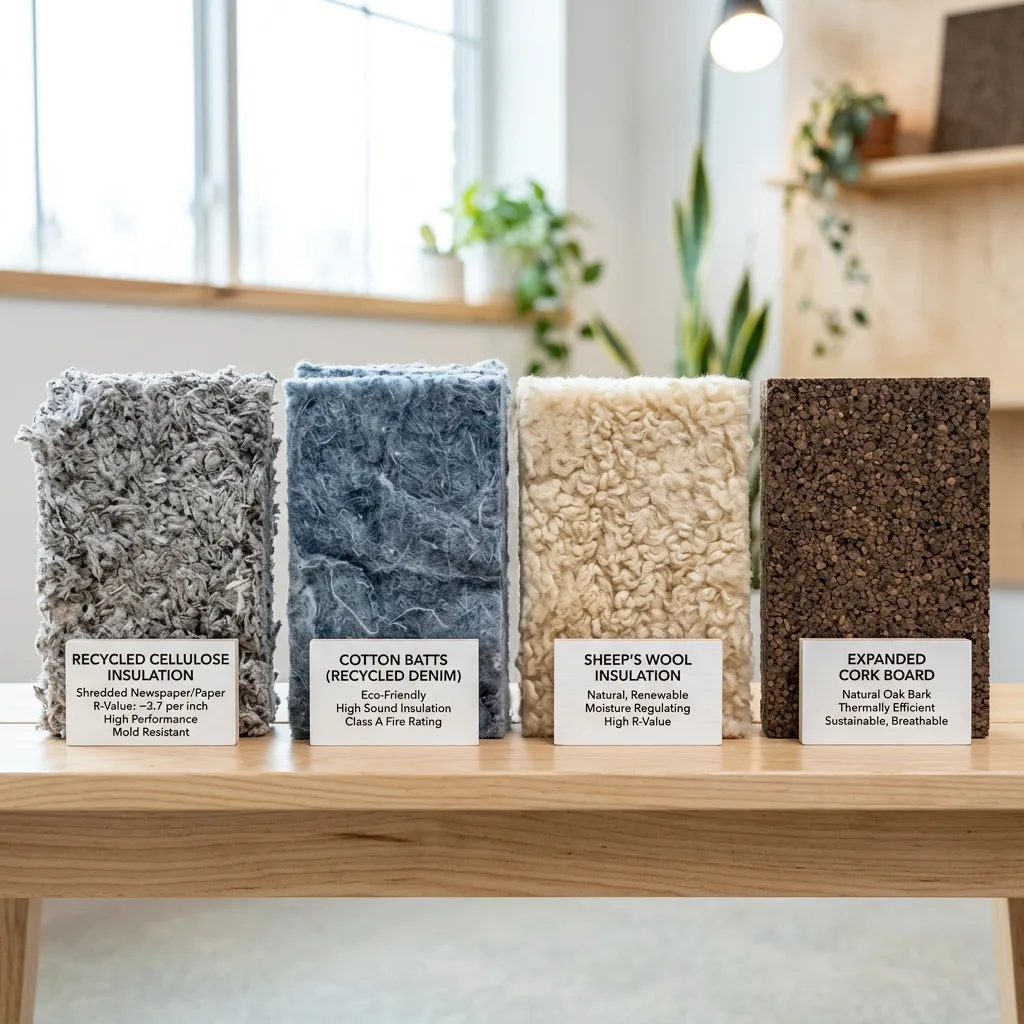
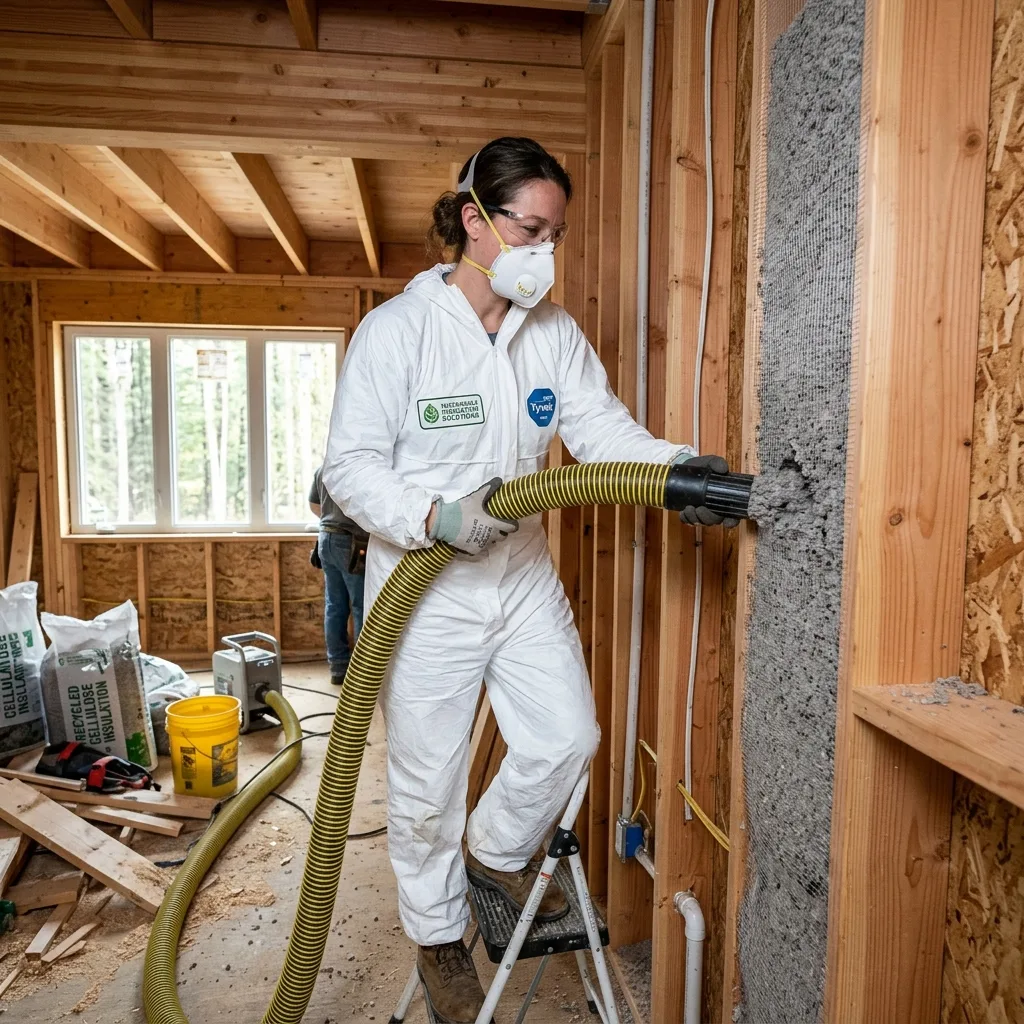
Cellulose is made from 85% recycled paper, mostly post-consumer newsprint. It is treated with borates for fire resistance and pest control. What I love about cellulose is its density. Because it is blown into cavities, it fills every nook and cranny, creating a much tighter seal than batts. Specifically, it has an R-value of roughly 3.5 to 3.8 per inch, which is superior to standard fiberglass.
In addition to its thermal properties, cellulose is an excellent sound dampener. After installing it in my home office walls, the noise from the street virtually vanished. It’s a win-win for both comfort and quiet. However, it does require professional equipment to install correctly, as DIY blowing can lead to settling if not packed to the right density.
2. Sheep’s Wool: Nature’s Most Advanced Tech
If you had told me five years ago that I’d be stuffing my walls with wool, I would have laughed. But sheep’s wool is arguably the most advanced insulation material on the market. It naturally manages moisture, absorbing up to 33% of its weight in water without losing its R-value. This prevents mold growth and protects your wooden framing. Therefore, it is ideal for humid climates or older homes with less-than-perfect moisture barriers.
3. Recycled Cotton (Denim): The Comfort King
Made from recycled blue jeans and industrial cotton scraps, denim insulation is the favorite of DIYers. Why? Because it’s completely safe to handle without gloves or a mask. It doesn’t itch, and it doesn’t release harmful dust. It has a high R-value of about 3.7 per inch. While it can be more expensive than cellulose, the ease of installation and the satisfaction of keeping textiles out of landfills make it a strong contender.
4. Hemp Wool: The Carbon-Negative Choice
Hemp is a miracle crop for the environment. It grows incredibly fast, requires very little water, and sequesters more carbon per acre than a forest. Hemp wool batts are stiff enough to hold their shape in a wall cavity without sagging, which is a common failure point for other materials. Specifically, hemp insulation is naturally resistant to mold and pests, and it’s fully biodegradable at the end of its life.
5. Rigid Cork Board: For External and Floor Insulation
Cork is harvested from the bark of cork oak trees without harming the tree itself. It’s a renewable resource that is naturally fire-retardant and highly durable. Rigid cork boards are perfect for insulating under slab floors or on the exterior of a building to prevent “thermal bridging” (where heat escapes through the wooden studs). While the cost is higher than other materials, its lifespan is essentially infinite.
The Numbers: Costs, R-Values, and ROI Comparison
Understanding the technical specs is crucial for making an informed decision. Below is a comparison of the most popular eco-friendly options available in 2026. Keep in mind that “R-value” refers to the material’s resistance to heat flow—the higher the number, the better the insulation.
| Material | R-Value (per inch) | Avg. Cost (sq. ft.) | Main Benefit |
|---|---|---|---|
| Cellulose (Blown) | 3.5 – 3.8 | $0.80 – $1.30 | Recycled content & air seal |
| Sheep’s Wool | 3.6 – 4.3 | $1.80 – $2.50 | Moisture & air purification |
| Hemp Wool | 3.5 – 3.7 | $1.50 – $2.10 | Carbon sequestration |
| Cotton (Denim) | 3.4 – 3.7 | $1.10 – $1.60 | Safety & DIY friendly |
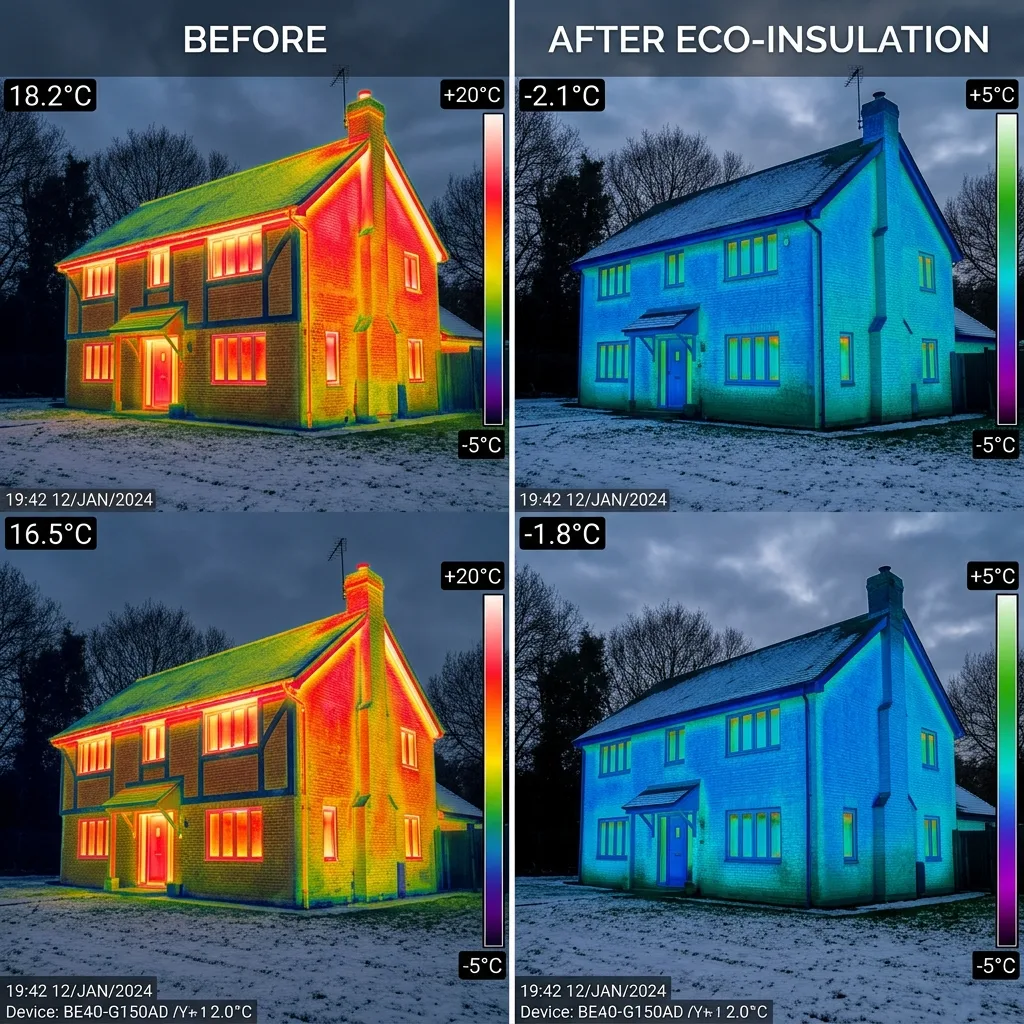
While the upfront cost of eco-friendly insulation can be 20-40% higher than fiberglass, the long-term savings are significant. On average, a well-insulated home in a cold climate can save between 15% and 25% on monthly heating bills. Furthermore, the Inflation Reduction Act (2026 update) in the US offers a tax credit of 30% of the cost, up to $1,200 annually, for weatherization projects. In Canada, the Greener Homes Grant provides similar incentives, often covering the entire cost difference between standard and eco-friendly materials.
The Step-by-Step Guide to Planning Your Insulation Project
Whether you are building new or retrofitting an existing home, the process remains the same. Do not just rush in and buy batts. You need a strategy to ensure you aren’t creating moisture problems down the road.
Step 1: The Energy Audit (Crucial!)
Before you spend a dime on insulation, hire a professional for a blower door test and thermal imaging. This will show you exactly where the leaks are. Often, the biggest problem isn’t the thickness of the insulation, but the gaps around windows, doors, and electrical outlets. Specifically, you want to address “air sealing” before adding new material. Consequently, my own energy audit revealed that air was whistling through my recessed lighting fixtures—a fix that cost $50 but saved me hundreds.
Step 2: Choose the Right Material for the Right Space
Not all materials work everywhere. Use blown-in cellulose for attics and enclosed wall cavities. Use batts (wool, hemp, or denim) for open walls during a renovation. Use rigid cork for basements and exteriors. Mixing and matching is often the best approach to maximize efficiency while staying on budget.
Step 3: Ventilation is Vital
A common mistake is “over-insulating” and blocking the airflow in your attic. Your roof needs to breathe to prevent ice dams in the winter and overheating in the summer. Always use baffles at the eaves to keep the insulation away from the vents. If you trap moisture in your attic, even the best eco-friendly insulation won’t prevent rot. Therefore, ensure your ventilation plan is as robust as your insulation plan.
Common Myths About Natural Insulation
Despite the growing popularity of these materials, several myths persist that keep homeowners from making the switch. Let’s debunk a few of them:
- “Natural materials are a fire hazard”: False. Cellulose and wool are treated with natural mineral salts (borates) that make them highly fire-resistant. In some cases, they actually perform better in a fire than fiberglass, which can melt and lose structural integrity.
- “It will attract pests”: Actually, the same borate treatment that prevents fire also makes these materials toxic to insects and rodents. Rodents generally hate the texture and chemical makeup of treated cellulose and wool.
- “It’s too expensive”: When you factor in the 2026 tax credits and the monthly energy savings, the “payback period” is incredibly short. It’s an investment in your home’s value, not just an expense.
Expert Tips for a Healthier Home Environment
When you choose eco-friendly insulation, you are choosing a healthier indoor environment. However, the installation process still matters. Even with non-toxic materials, I recommend wearing a basic dust mask to avoid inhaling tiny fibers or paper dust. If you are doing a DIY project, ensure you have adequate lighting and a solid platform to work on in the attic. Safety should always be your first priority.
Furthermore, consider the “embodied energy” of your materials. Embodied energy is the total energy required to produce, transport, and install the insulation. Materials like hemp and wood fiber have very low embodied energy because they require minimal processing. By choosing these, you are reducing your home’s environmental impact before you even turn on the heater. For more on this, check out our guide on how to conduct a sustainable home energy audit.
Frequently Asked Questions
Can I add eco-friendly insulation on top of my old fiberglass?
Yes! In most cases, you can “cap” your existing fiberglass with blown-in cellulose or sheep’s wool. However, if your old insulation is damp, moldy, or compressed, it’s best to remove it first to ensure a healthy and effective new layer. Specifically, check for signs of rodents or moisture before adding anything on top.
How do I know if my attic has enough insulation?
The “rule of thumb” in 2026 is that if you can see your floor joists, you don’t have enough. Most modern codes recommend between 15 and 20 inches of insulation (R-49 to R-60) depending on your climate zone. A quick measurement with a yardstick can tell you if you’re falling short.
Does sheep’s wool insulation smell?
No. Commercial sheep’s wool insulation is thoroughly cleaned and scoured to remove lanolin and oils. It smells neutral, and once it is behind your drywall, you will never notice it. If anything, it helps eliminate odors by filtering the air.
Conclusion: Investing in a Resilient Future
Switching to eco-friendly insulation was one of the best decisions I made for my home in 2026. My energy bills have dropped by 18%, and the comfort level in our living room is night and day. But more than the numbers, there’s a peace of mind that comes from knowing my home is built with materials that are safe for my family and kind to the Earth. Whether you choose the recycled power of cellulose or the high-tech biology of sheep’s wool, you are taking a major step toward a more sustainable, resilient future.
Ready to take the next step in your green home journey? Check out our latest post on the benefits of heat pump water heaters to see how you can save even more on your utility bills this year.

Written by Mangaleswaran
Mangaleswaran is a dedicated sustainable living expert and the founder of EcoDweller. With a deep passion for renewable energy, he specializes in simplifying complex green technologies—like solar power and home efficiency—for the modern homeowner. His mission is to empower individuals to reduce their environmental impact while building more cost-effective, eco-friendly homes for the future.
Follow on Facebook