
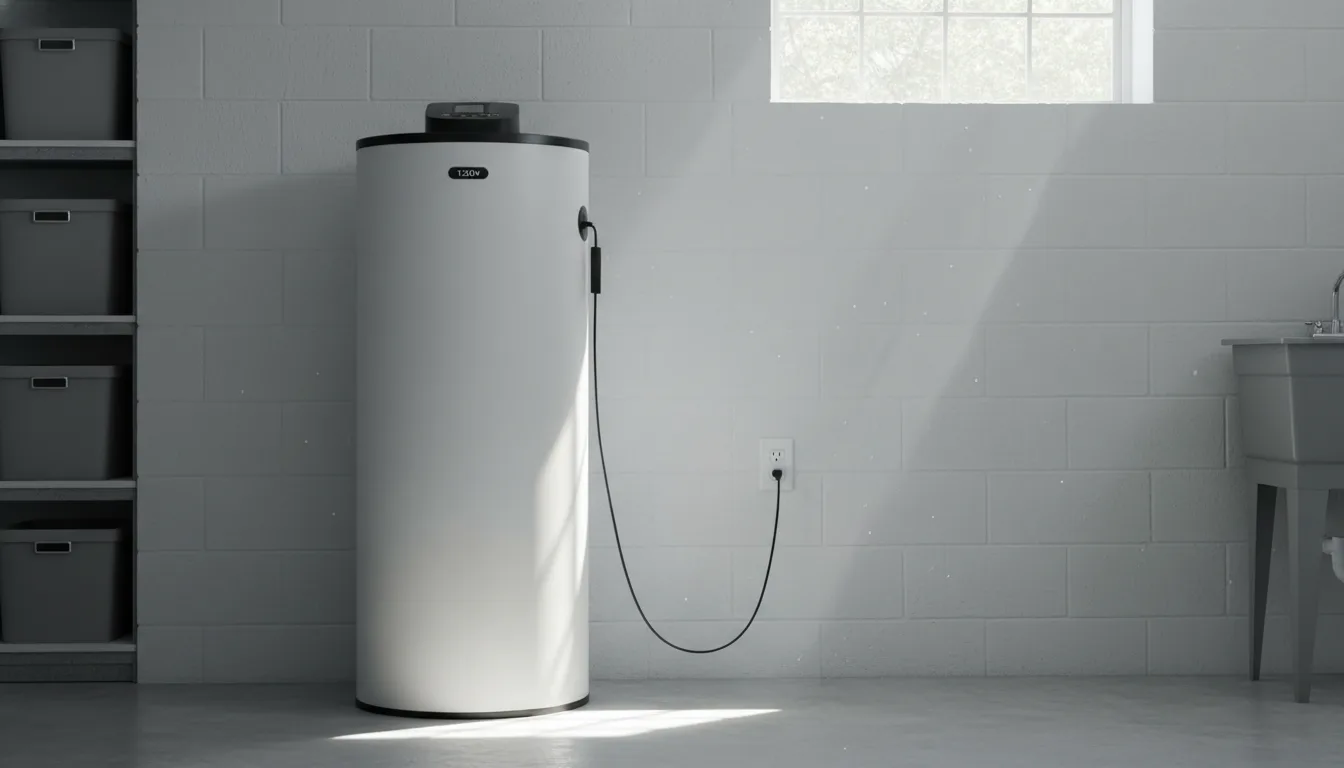
Last month, my trusty old gas water heater finally died. Consequently, I decided it was time to fully electrify my home. However, my excitement plummeted when an electrician quoted me $3,500 just to upgrade my electrical panel. Fortunately, I discovered the magic of a 120V plug-in heat pump water heater. In 2026, you absolutely do not need a massive panel upgrade to ditch fossil fuels.
Table of Contents
- ●Key Takeaways
- ●The Electrical Panel Upgrade Trap
- ●Why 2026 is the Year of 120V Appliances
- ●Enter the 120V Plug-in Heat Pump Water Heater
- ●How Does the Compressor Work?
- ●My Personal Installation Experience
- ●Managing the Condensate Drain
- ●Cost Breakdown and 2026 Savings
- ●Advantages and Disadvantages of 120V Models
- ●The Distinct Advantages
- ●The Minor Disadvantages
- ●Maximizing Efficiency with Thermal Storage
- ●Pro-Tip: Use a Thermostatic Mixing Valve
- ●Integrating with Your Smart Home
- ●The Importance of Air Filters
- ●Frequently Asked Questions
- ●Can I plug it into any standard outlet?
- ●Is it noisy when running?
- ●What size tank should I buy?
- ●Ready to Electrify Your Home?
Specifically, this new technology allows you to use standard household outlets. Therefore, you bypass the electrician entirely. Furthermore, the efficiency gains are staggering compared to traditional models.
Many homeowners believe that going green requires thousands in hidden infrastructure costs. Fortunately, the market has finally solved this issue. Let me walk you through my exact experience with this revolutionary plug-and-play appliance.
Key Takeaways
- No Panel Upgrade: Plugs directly into a standard 15-amp wall outlet.
- Massive Savings: Cuts water heating energy usage by up to 70%.
- Rebates Available: Qualifies for 2026 federal IRA tax credits.
- Easy Install: Ideal for DIYers looking to replace gas units.
The Electrical Panel Upgrade Trap
Historically, switching to an electric water heater meant installing a 240V circuit. Consequently, this required a dedicated 30-amp breaker. However, older homes usually run on 100-amp electrical service.
Therefore, adding a heavy load often triggers a mandatory panel upgrade. In fact, many utility companies strictly enforce this rule. Subsequently, a simple appliance swap suddenly becomes a major renovation.
I faced this exact barrier. For a deeper breakdown of those costs, you can read about the smart electrical panel upgrade costs. Clearly, I wanted to avoid that massive expense.
Why 2026 is the Year of 120V Appliances
Manufacturers have finally listened to consumer frustrations. As a result, they developed standard-voltage alternatives. Today, 120V appliances are breaking out globally.
Specifically, these units draw minimal power. They operate similarly to a large refrigerator. Consequently, they are incredibly grid-friendly.
Furthermore, this aligns perfectly with modern electrification goals. Homeowners can now upgrade incrementally. Therefore, we eliminate the steep financial barriers of the past.
Enter the 120V Plug-in Heat Pump Water Heater
So, what exactly is a 120V plug-in heat pump water heater? Essentially, it is a highly efficient thermal battery. Instead of generating heat directly, it moves ambient heat.
Specifically, it pulls warmth from the surrounding air. Then, it compresses that heat into the water tank. Consequently, this process uses significantly less electricity.
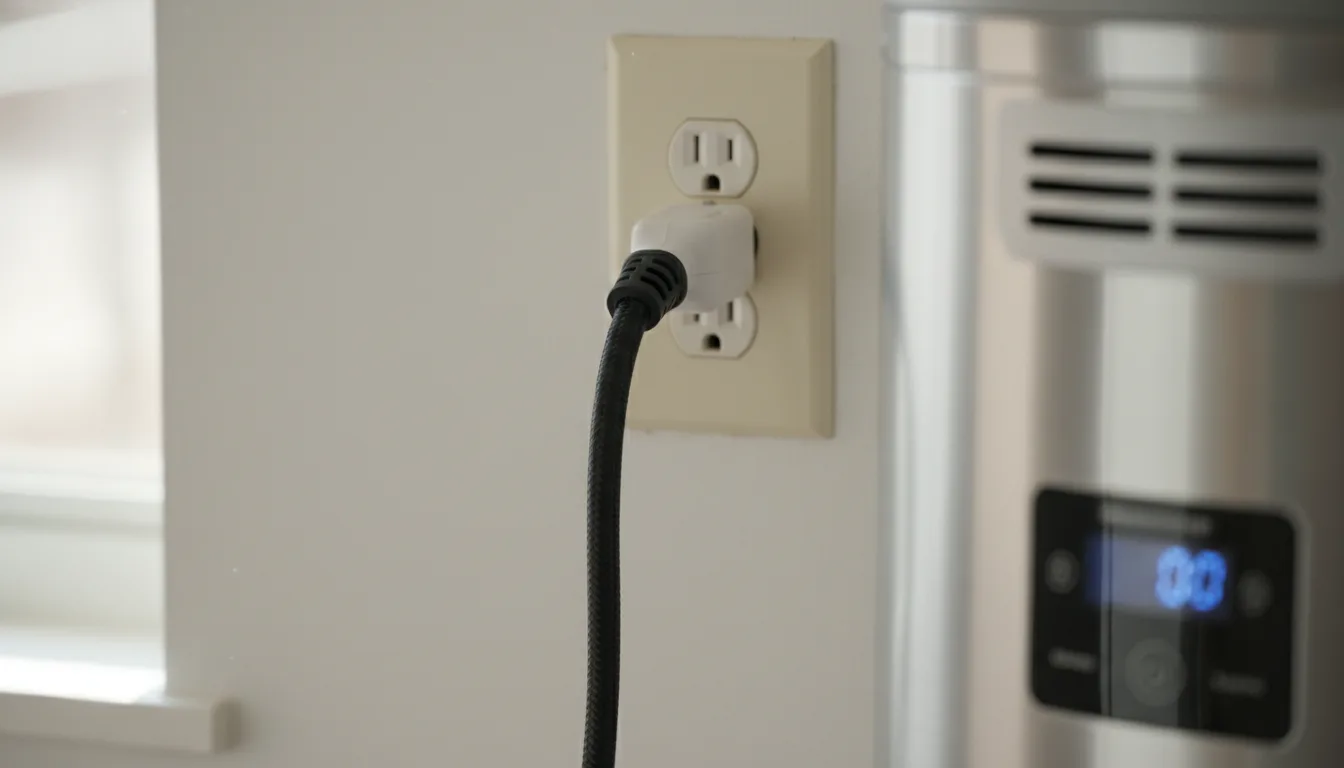
Because it is so efficient, it does not need a massive 240V power draw. Instead, it happily runs on a standard 120V wall plug. Therefore, it is a true plug-and-play solution.
How Does the Compressor Work?
Think of it as an air conditioner running in reverse. The unit uses a mild refrigerant cycle. Therefore, it continuously harvests free energy from your basement or garage.
As a byproduct, it actually dehumidifies the space. Furthermore, it outputs slightly cooler air. Consequently, it improves indoor air quality in damp utility rooms.
This dual-functionality is a game-changer. For authoritative specs on energy transfer, I highly recommend checking the official ENERGY STAR guidelines.
My Personal Installation Experience
I consider myself moderately handy. However, plumbing has always intimidated me. Surprisingly, replacing my gas unit was surprisingly straightforward.
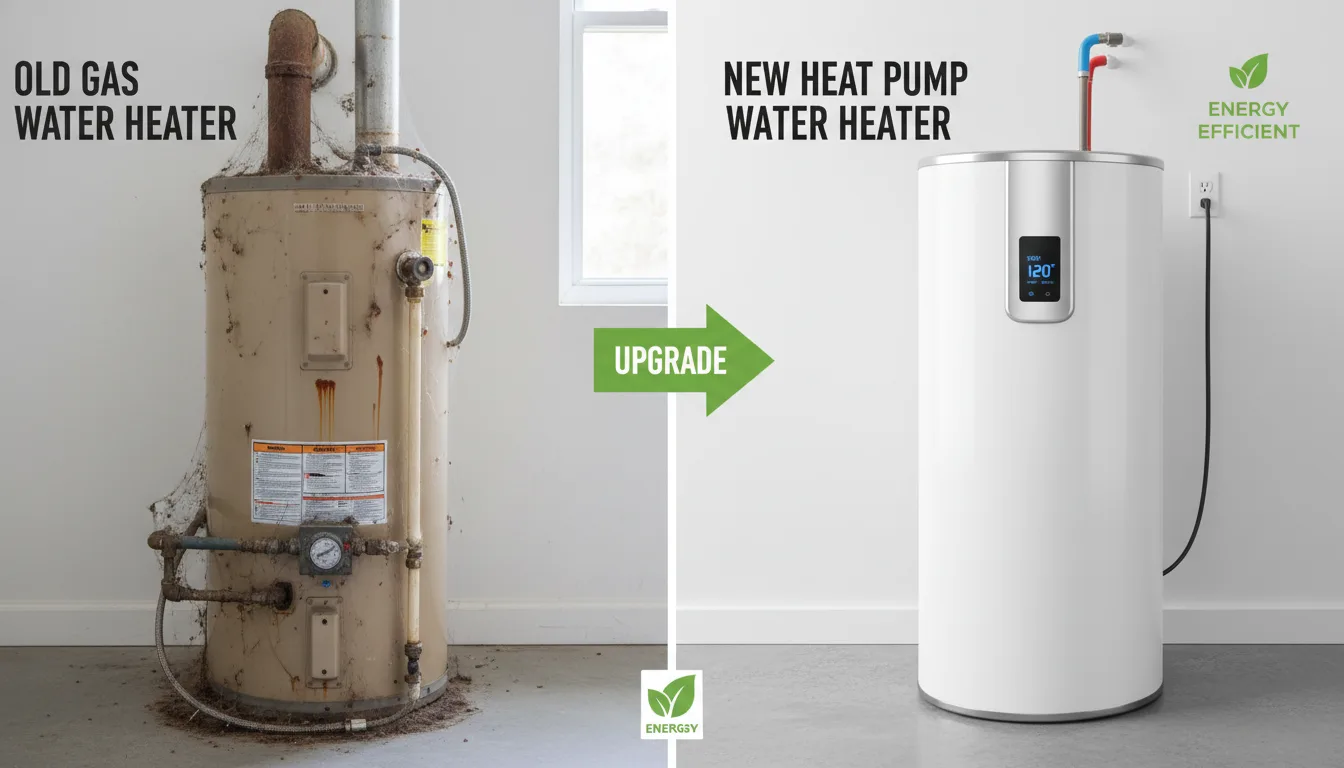
First, I had a professional cap the old gas line safely. Subsequently, I drained and removed the rusted old tank. Then, I wheeled the new unit into place.
Because there was no hardwiring required, I simply plugged it in. Consequently, the unit immediately hummed to life. Therefore, the most challenging part was just routing the condensate line.
Managing the Condensate Drain
Heat pumps naturally produce condensation. Consequently, you must manage this water runoff safely. Otherwise, you risk pooling water on your floor.
I routed a simple PVC pipe to my floor drain. Furthermore, if you lack a drain, you can use a small condensate pump. Therefore, it easily pushes the water to a nearby sink.
This step is absolutely crucial for long-term maintenance. In addition, it prevents any potential mold issues in your utility space.
Cost Breakdown and 2026 Savings
Let us talk numbers. Naturally, the upfront cost of the unit is higher than a basic gas heater. However, the installation savings completely offset this.
Furthermore, the long-term energy savings are undeniable. Specifically, I am saving around $300 annually on my utility bills. Consequently, the payback period is remarkably short.
If you are exploring other home energy investments, compare this to a V2H bidirectional charging system. Both technologies drastically alter your home energy economics.
| System Type | Equipment Cost | Install & Panel Upgrade | Total Estimated Cost |
|---|---|---|---|
| Standard Gas Tank | $600 – $900 | $800 | $1,400 – $1,700 |
| 240V Heat Pump | $1,500 – $2,000 | $3,500 (Panel Work) | $5,000 – $5,500 |
| 120V Plug-in Model | $1,800 – $2,400 | $300 (Plumbing Only) | $2,100 – $2,700 |
Advantages and Disadvantages of 120V Models
Obviously, no technology is entirely perfect. Therefore, it is important to weigh the pros and cons objectively. Before you purchase, consider your household usage.
Specifically, a 120V plug-in heat pump water heater behaves differently than a gas unit. Consequently, you must adapt your habits slightly. Here is a realistic breakdown.
The Distinct Advantages
- No Electrician Fees: You skip the panel upgrade entirely. Therefore, you save thousands upfront.
- Eco-Friendly: It completely eliminates onsite fossil fuel combustion. Consequently, your home carbon footprint drops.
- Federal Incentives: These units qualify for excellent rebates under the Rewiring America guidelines.
- Smart Connectivity: Most modern units connect directly to smart home energy systems for optimized scheduling.
The Minor Disadvantages
- Slower Recovery Time: Because it draws less power, it heats water slower. Therefore, back-to-back showers can be tricky.
- Space Requirements: It requires adequate ambient air volume to function efficiently. Consequently, tight closets are not ideal.
- Cold Air Output: It exhausts cool air into the room. While great in summer, it might chill a winter basement slightly.
Maximizing Efficiency with Thermal Storage
Since the recovery rate is slower, how do you ensure endless hot water? The secret lies in thermal battery concepts. Essentially, you store energy as super-heated water.
Specifically, you can program the tank to heat up during off-peak hours. Consequently, you avoid expensive electricity rates. Furthermore, this ensures a full tank when you need it.
Many homeowners utilize a simple plumbing trick to extend capacity. Therefore, even a standard sized tank can perform like a much larger one.
Pro-Tip: Use a Thermostatic Mixing Valve
To combat slower recovery times, set your water heater temperature higher (around 140°F). Then, install a thermostatic mixing valve at the output. This valve mixes cold water with the scalding hot water before it reaches your pipes.
Consequently, your 50-gallon tank suddenly delivers 70 gallons of perfectly warm water. Therefore, you effectively increase your capacity without buying a larger, more expensive tank!
Integrating with Your Smart Home
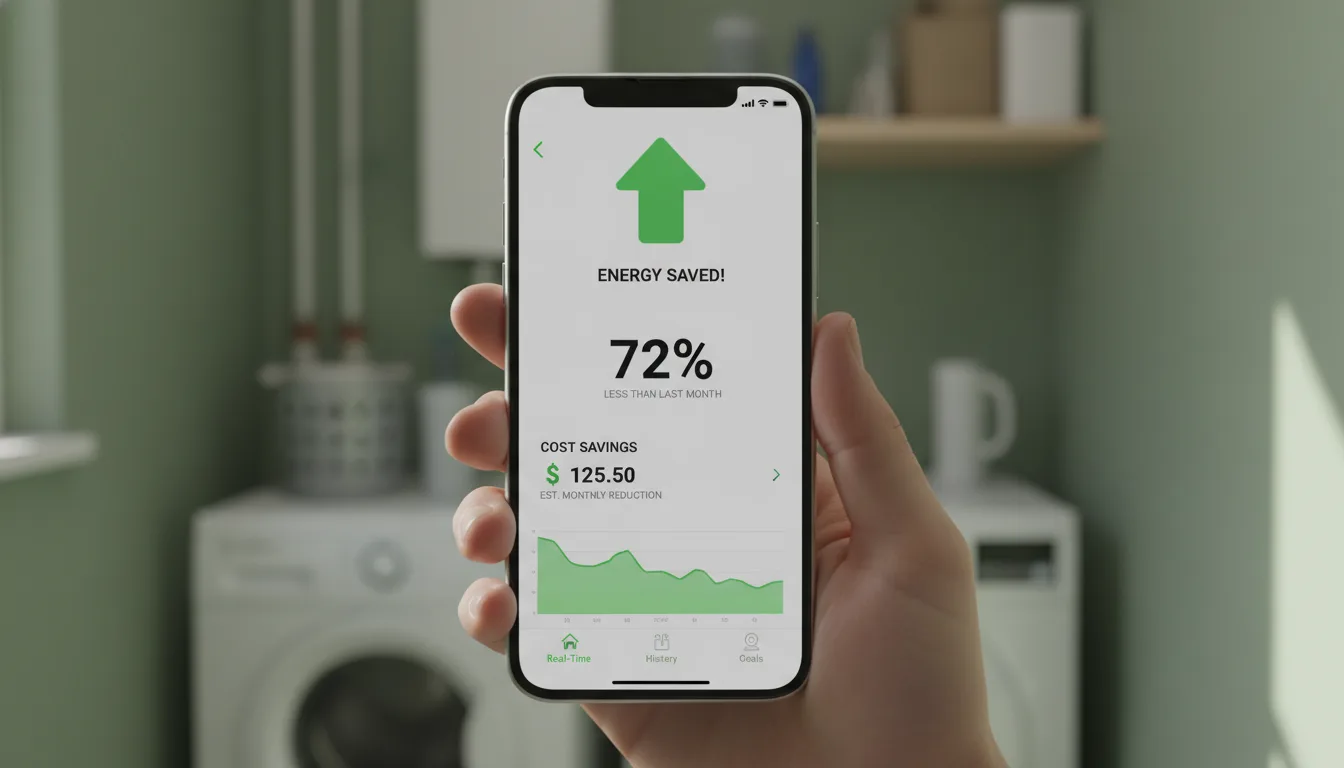
In 2026, appliances must be intelligent to maximize savings. Fortunately, my new unit includes built-in Wi-Fi. Consequently, I control everything directly from my phone.
For example, I set vacation modes while traveling. Furthermore, I monitor energy consumption in real-time. Therefore, I know exactly how much money I am saving daily.
Moreover, it alerts me if the air filter needs cleaning. Subsequently, maintenance becomes incredibly effortless and automated.
The Importance of Air Filters
Yes, your water heater now has an air filter! Because it pulls in room air, dust can accumulate. Consequently, this dust clogs the evaporator coils over time.
Therefore, you must rinse this filter every few months. Fortunately, it pops out easily from the top of the unit. Simply wash it in the sink and slide it back.
Regular cleaning maintains peak efficiency. In contrast, a dirty filter forces the compressor to work harder, wasting electricity.
Frequently Asked Questions
Can I plug it into any standard outlet?
Yes, it requires a standard 120V, 15-amp or 20-amp grounded outlet. However, it should ideally be on a dedicated circuit to prevent tripping breakers if other appliances run simultaneously.
Is it noisy when running?
It sounds like a modern refrigerator or a quiet dehumidifier. Typically, it operates around 45 to 50 decibels. Therefore, if installed in a basement, you will likely never hear it.
What size tank should I buy?
Because recovery times are slower, always size up. If you previously had a 40-gallon gas tank, purchase a 50-gallon or 65-gallon 120V plug-in heat pump water heater to ensure adequate supply.
Ready to Electrify Your Home?
In conclusion, upgrading your home infrastructure does not have to be painful. A 120V plug-in heat pump water heater elegantly bypasses outdated panel constraints. Consequently, it democratizes sustainable living for millions.
My gas bill has virtually disappeared. Furthermore, my basement is drier and more comfortable. Therefore, I consider this the best DIY upgrade I have tackled this year.
If you are ready to completely ditch fossil fuels and transform your home, you need a comprehensive plan. Do not stop at just the utility room. Read our complete guide below to master your eco-friendly transition!
Read: Electrify Your Life in 2026

Written by Mangaleswaran
Mangaleswaran is a dedicated sustainable living expert and the founder of EcoDweller. With a deep passion for renewable energy, he specializes in simplifying complex green technologies—like solar power and home efficiency—for the modern homeowner. His mission is to empower individuals to reduce their environmental impact while building more cost-effective, eco-friendly homes for the future.
Follow on Facebook