
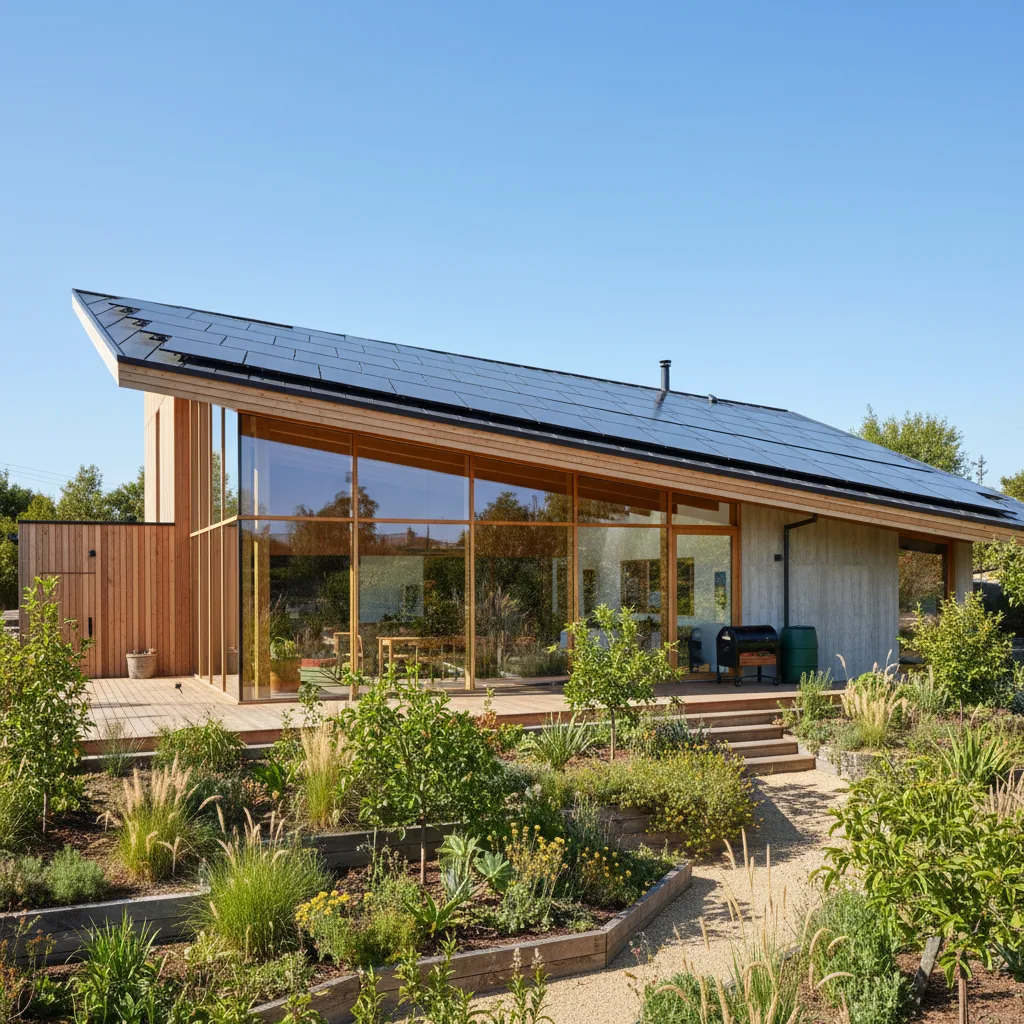
When I first finished installing my solar array and transitioned my home to a fully electric setup, I felt like a hero for the planet. But that feeling vanished the moment I called my traditional insurance agent. They didn’t even have a category for my high-efficiency heat pump or my reclaimed timber flooring. In fact, my premiums almost went up because they viewed my “non-standard” materials as a risk rather than an asset. It was a wake-up call. If you are investing in sustainable houses, you shouldn’t be penalized with outdated insurance models. You need specialized coverage that understands the value of a net-zero home.
Table of Contents
- ●Key Takeaways
- ●What Makes an Insurance Policy “Eco-Friendly”?
- ●1. Travelers: The Pioneer in Green Home Discounts
- ●Key Features of Travelers Green Coverage
- ●2. Farmers: The “Eco-Rebuild” Specialists
- ●Why Farmers Stands Out
- ●3. The Hartford: Tailored for LEED Enthusiasts
- ●The Hartford’s Green Advantage
- ●4. Liberty Mutual: Comprehensive Green Upgrades
- ●Why Choose Liberty Mutual?
- ●5. Chubb: The Gold Standard for High-End Green Homes
- ●Masterpiece Policy Highlights
- ●The Financial Reality: Standard vs. Eco-Friendly Insurance
- ●Interactive Mini-Calculator: Estimate Your Eco-Savings
- ●Green Premium Discount Estimator
- ●Common Mistakes to Avoid
- ●How to Get the Best Rate for Your Sustainable House
- ●Frequently Asked Questions (FAQ)
- ●1. Does eco-friendly insurance cost more than standard insurance?
- ●2. Are solar panels covered by standard home insurance?
- ●3. Can I get a discount for a smart home system?
- ●4. What is ‘Green Rebuild’ coverage?
- ●5. Is LEED the only certification insurers accept?
- ●Final Thoughts: Protecting Your Green Investment
Finding the right eco-friendly home insurance policies isn’t just about saving the planet; it’s about protecting a very specific, high-value investment. Traditional policies often lack the “green rebuild” clauses necessary to replace your eco-materials with like-kind quality. Whether you have a LEED-certified build or just a home with a few smart upgrades, the right policy can save you thousands in the long run. In this guide, we’ll dive deep into the Top 5 Eco-Friendly Home Insurance Policies for Sustainable Houses and how you can leverage your green features for massive discounts.
Key Takeaways
- Green Rebuild Coverage: Look for policies that pay extra to replace damaged materials with eco-friendly alternatives.
- LEED Discounts: Many top insurers offer up to 5-10% off premiums for certified sustainable houses.
- Specialized Tech: Ensure your policy specifically names solar panels, home batteries, and geothermal systems.
- The Top 5: We’ve vetted Travelers, Farmers, The Hartford, Liberty Mutual, and Chubb for their green-specific offerings.
- Financial Incentive: Combining green insurance with the federal solar tax credit can drastically reduce your total cost of ownership.
What Makes an Insurance Policy “Eco-Friendly”?
Most people assume home insurance is a one-size-fits-all product. However, for those of us living in sustainable houses, standard coverage is often insufficient. An eco-friendly policy typically includes two main components: discounts for existing green features and “Green Home Upgrades” coverage for future claims. This means if your roof is damaged in a storm, the insurer won’t just replace it with cheap asphalt shingles; they will cover the cost of sustainable materials like recycled metal or solar tiles.
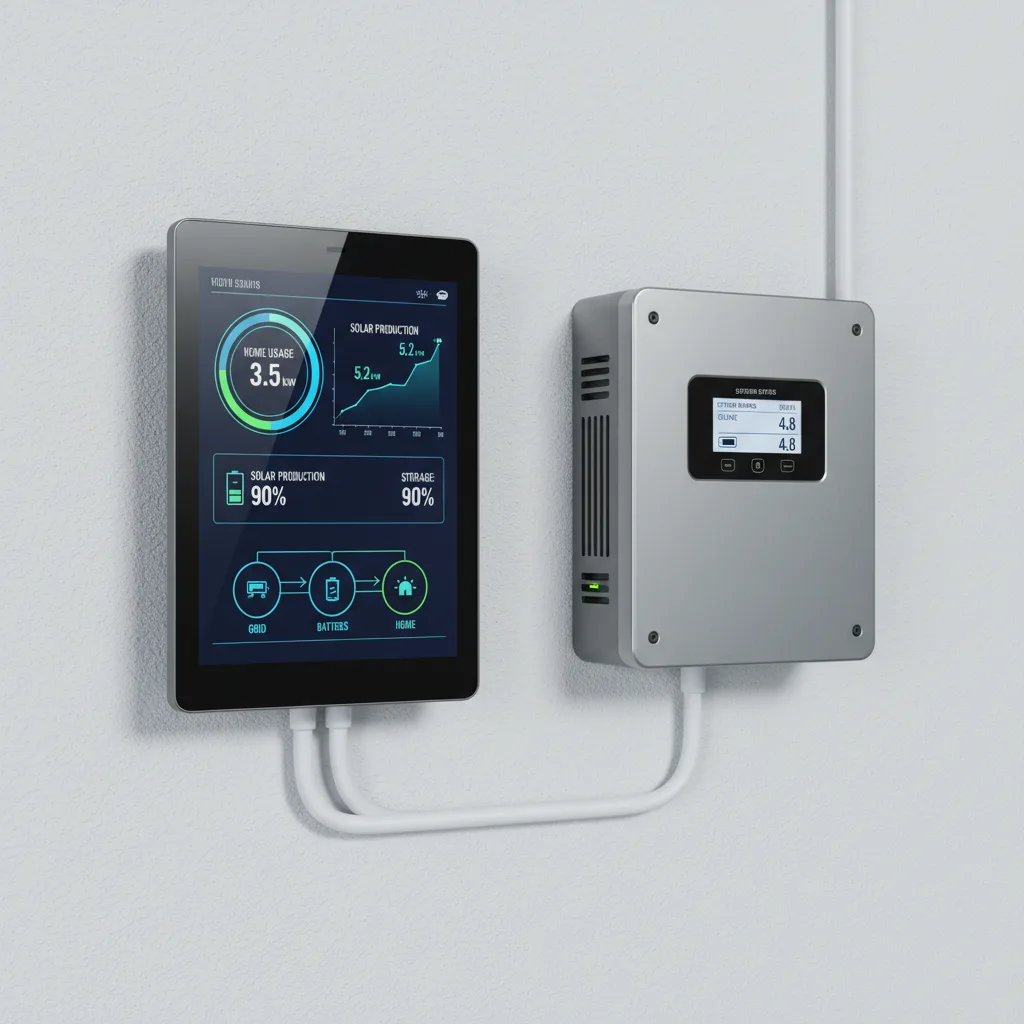
Furthermore, these policies often recognize the reduced risk associated with modern green technology. For instance, smart home energy efficiency systems can detect leaks or electrical surges before they cause a fire. Insurers love this. By mitigating risk, you become a “preferred” client. According to the Insurance Information Institute, homeowners who invest in resilient, green construction are statistically less likely to file total-loss claims.
1. Travelers: The Pioneer in Green Home Discounts
Travelers was one of the first major carriers to offer a dedicated discount for sustainable houses. They offer a specific “Green Home Discount” that can shave up to 5% off your annual premium if your home is certified by the Leadership in Energy and Environmental Design (LEED) program. This isn’t just a marketing gimmick; it’s a reflection of the lower risk profile that LEED-certified homes present.
Key Features of Travelers Green Coverage
- LEED Certification Discount: Automatic savings for certified sustainable builds.
- Green Home Upgrade Coverage: An endorsement that allows you to replace damaged property with eco-friendly alternatives.
- Contents Coverage: This extends to your belongings, allowing you to replace lost items with sustainable versions.
- Extensive Network: Because they are a national carrier, they are a great option for those looking for green home insurance in both the US and parts of Canada.
When I looked into Travelers, I found that their definitions were quite flexible. They don’t just look for LEED; they often accept other certifications like the Energy Star rating for new builds. This makes them a top contender in our ranking of the best eco-friendly home insurance policies.
2. Farmers: The “Eco-Rebuild” Specialists
Farmers Insurance offers a very robust “Eco-Rebuild” endorsement. This is perfect for homeowners who are currently living in a traditional home but want to transition to a sustainable house in the event of a disaster. Their policy provides up to $25,000 extra to cover the increased cost of green materials, energy-efficient appliances, and sustainable debris removal.
Why Farmers Stands Out
- Generous Limits: The $25,000 cap is higher than many competitors for green upgrades.
- Energy Star Incentives: They favor appliances that carry the Energy Star label, which correlates with lower fire risks from outdated electrical components.
- Sustainable Debris Removal: Most people forget that traditional demolition creates massive waste. Farmers covers the cost to recycle your old drywall and timber instead of just landfilling it.
- Smart Home Integration: They offer discounts for homes utilizing DIY energy-saving home upgrades like smart leak detectors.
One hidden gem with Farmers is their understanding of “off-grid” risks. If you use a solar generator for backup, they are often more willing to cover those systems than boutique insurers who only understand standard grid connections. Check out our experience with solar generators vs gas generators to see why this coverage is vital.

3. The Hartford: Tailored for LEED Enthusiasts
The Hartford has a long-standing partnership with AARP, but their green insurance products are available to a wider audience. They are particularly aggressive with their LEED-certified discounts. If your home has achieved any level of LEED certification, The Hartford is likely to offer some of the most competitive rates for sustainable home coverage.
The Hartford’s Green Advantage
- Massive Certification Discounts: They offer some of the highest percentage-based discounts for sustainable houses in the industry.
- Renewable Energy Coverage: Their policies are very clear about covering wind turbines and solar arrays, including the liability of feeding power back to the grid.
- Alternative Water Systems: They provide coverage for DIY rainwater harvesting and greywater systems, which many other companies view as a liability risk.
- Paperless Incentives: They even offer small discounts just for managing your policy digitally, aligning with a low-waste lifestyle.
4. Liberty Mutual: Comprehensive Green Upgrades
Liberty Mutual offers a “Green Home Upgrade” endorsement that is remarkably easy to add to any standard policy. This is ideal for the “accidental environmentalist”—someone who didn’t build a green home from scratch but is committed to making it one during the repair process.
Why Choose Liberty Mutual?
- Ease of Access: You can add green coverage to almost any existing Liberty Mutual policy.
- Modern Appliance Focus: They prioritize the replacement of old HVAC units with high-efficiency heat pump water heaters and HVAC systems.
- Sustainable Materials: Their endorsement explicitly covers FSC-certified wood, bamboo flooring, and low-VOC paints.
- Customizable Limits: You can choose how much extra “green” coverage you want, allowing you to balance your premium with your sustainability goals.
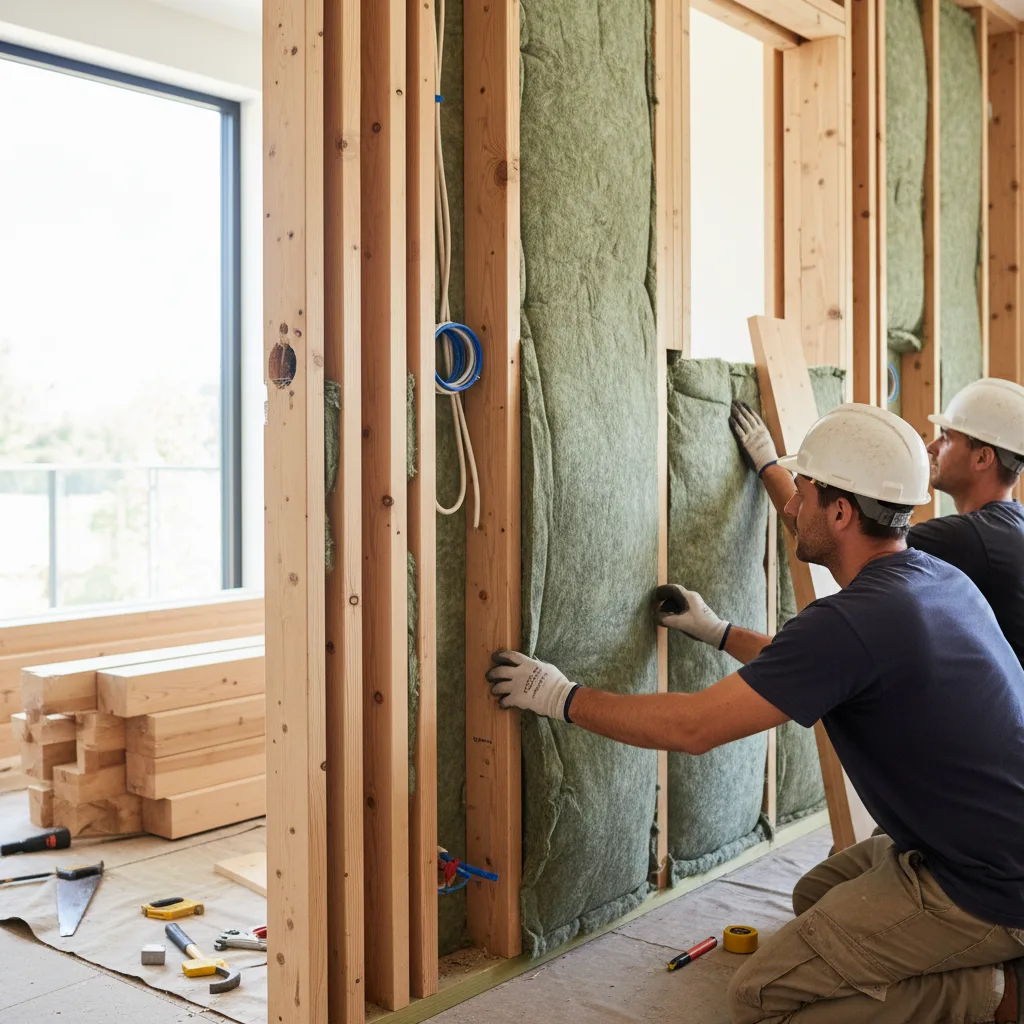
According to data from the EPA, green buildings use 25% less energy and 11% less water. Liberty Mutual uses this data to justify lower rates for homeowners who prove they have upgraded their insulation and windows. If you’ve recently invested in eco-friendly insulation, Liberty Mutual is a top choice.
5. Chubb: The Gold Standard for High-End Green Homes
If you have a high-value, custom-built sustainable house, Chubb’s “Masterpiece” policy is the ultimate choice. While more expensive than others, Chubb understands high-end sustainable architecture better than any other carrier. They don’t just cover the house; they cover the *philosophy* of the build.
Masterpiece Policy Highlights
- Cash Settlement Option: If your home is destroyed, Chubb allows you to take a cash settlement instead of rebuilding, which can be used to fund a completely different green project.
- Expert Appraisal: They send specialists who understand the cost of triple-pane windows and reclaimed-wood beams.
- Environmental Liability: Coverage for things like soil contamination or environmental damage caused by your property (important for large rural estates).
- Worldwide Coverage: For those with eco-villas in Canada or the US, Chubb offers a seamless international experience.
For more high-end investment insights, check out our guide on green investment opportunities for 2026. Protecting your green home is, after all, protecting your most significant green investment.
The Financial Reality: Standard vs. Eco-Friendly Insurance
Let’s look at a real-world scenario. Imagine a 2,500 sq. ft. home in Colorado that suffers a partial fire. The difference between a standard policy and a top-tier green home insurance plan can be staggering when it comes to the rebuild phase.
| Feature | Standard Policy | Eco-Friendly Policy |
|---|---|---|
| Roof Replacement | Asphalt Shingles ($8k) | Cool Roof/Solar Tiles ($14k covered) |
| Flooring | Laminate ($4k) | Sustainably Harvested Bamboo ($7k covered) |
| HVAC Repair | Basic Gas Furnace ($3k) | High-Efficiency Heat Pump ($6k covered) |
| Out-of-Pocket for Green Upgrade | $12,000+ | $0 |
As you can see, the “Standard” policy forces you to either accept low-quality, high-carbon materials or pay the difference out of pocket. An eco-friendly policy treats the green upgrade as the baseline, not an luxury extra. This is crucial for maintaining the resale value of sustainable houses.
Interactive Mini-Calculator: Estimate Your Eco-Savings
Green Premium Discount Estimator
Input your estimated annual premium to see how much a LEED or Green certification could save you.
Common Mistakes to Avoid
Even with the best intentions, many homeowners trip up when securing eco-friendly home insurance policies. Here are the most common pitfalls I’ve seen:
- Forgetting the “Ordinance or Law” Coverage: This is vital for older homes. If you’re doing a sustainable renovation, local laws might require you to bring the whole house up to modern code. Without this coverage, you’ll be footing that massive bill yourself.
- Under-insuring Solar Panels: Many people assume solar panels are covered under “personal property.” In reality, they are usually part of the “dwelling” structure. If you don’t adjust your dwelling limit, you might be under-insured by $30,000 or more.
- Neglecting Liability for EV Chargers: If you have a high-speed Level 2 charger, some insurers require a specific rider to cover potential electrical fires or liability if a neighbor trips on your cable.
- Assuming “Replacement” Means “Eco-Replacement”: Standard policies replace with “like-kind and quality,” which in insurance speak means “whatever is cheapest but looks the same.” You must have the specific *Green Rebuild* language.
How to Get the Best Rate for Your Sustainable House
Shopping for insurance is tedious, but for an eco-dweller, it’s a chance to audit your home’s resilience. To get the best rates on the Top 5 Eco-Friendly Home Insurance Policies for Sustainable Houses, follow these steps:
- Gather Your Certifications: Have your LEED, Energy Star, or Passive House certification PDFs ready to email.
- Document Your Upgrades: Keep receipts for your air-purifying indoor plants (okay, maybe not the plants), but definitely your smart thermostat, insulation, and solar systems.
- Bundle Policies: Many of these providers also offer eco-friendly car insurance. Bundling can save you an additional 15-20%.
- Review Your Deductible: If you have a highly resilient, disaster-proof home (common in sustainable design), you can safely raise your deductible to lower your monthly payments.
- Ask About Renewable Energy Credits (RECs): Some high-end insurers will actually pay for you to purchase RECs to offset the carbon footprint of your home’s repairs.
Frequently Asked Questions (FAQ)
1. Does eco-friendly insurance cost more than standard insurance?
Surprisingly, it’s often the same or cheaper. While the coverage limits are higher for green materials, the risk is lower because green homes are often built to higher, more modern standards. With discounts, you usually end up paying less.
2. Are solar panels covered by standard home insurance?
Usually, yes, but often at inadequate levels. Solar panels are considered part of the structure, but you must inform your insurer to ensure your coverage limit reflects their $20,000–$50,000 value. Some policies have a separate wind/hail deductible for panels.
3. Can I get a discount for a smart home system?
Yes! Most eco-friendly insurers offer 2-5% discounts for smart water leak detectors, smart fire alarms, and energy-monitoring electrical panels. These tools actively prevent large-scale claims.
4. What is ‘Green Rebuild’ coverage?
This is an endorsement that pays the extra cost to use environmentally friendly materials and methods when repairing or rebuilding your home after a covered loss, even if those materials weren’t originally present.
5. Is LEED the only certification insurers accept?
No. While LEED is the most common, many insurers accept Energy Star, Living Building Challenge, or even high ratings from the International Association of Certified Home Inspectors (InterNACHI) regarding energy efficiency.
Final Thoughts: Protecting Your Green Investment
Switching to a specialized eco-friendly home insurance policy is the final step in truly “closing the loop” on your green lifestyle. It’s about more than just a lower premium; it’s about peace of mind. Knowing that if the worst happens, your home will be rebuilt as a beacon of sustainability rather than a carbon-heavy relic is worth every penny. Take the time to call your agent, mention these companies, and ask for a green rebuild quote today. Your wallet—and the planet—will thank you.

Written by Mangaleswaran
Mangaleswaran is a dedicated sustainable living expert and the founder of EcoDweller. With a deep passion for renewable energy, he specializes in simplifying complex green technologies—like solar power and home efficiency—for the modern homeowner. His mission is to empower individuals to reduce their environmental impact while building more cost-effective, eco-friendly homes for the future.
Follow on Facebook