

Finding the Best Green Energy ETFs for Beginners in 2026 has never been more critical for both your wallet and the planet. This year, the shift toward a decentralized grid has accelerated significantly. Many of us are looking for ways to align our financial growth with our environmental values. I remember when I first started my investment journey. I felt overwhelmed by the complex jargon of Wall Street. However, the rise of Exchange-Traded Funds (ETFs) has simplified the process for everyday people like us. Consequently, you can now support renewable infrastructure without needing a Ph.D. in finance.
Table of Contents
- ●Why Investing in Green Energy Matters in 2026
- ●Top Features of the Best Green Energy ETFs for Beginners in 2026
- ●Analyzing the Top 3 Green ETFs for 2026
- ●The iShares Global Clean Energy ETF (ICLN)
- ●How to Start Investing in Green ETFs
- ●The Role of Solar and Wind in 2026
- ●Advantages and Disadvantages of Green Energy Investing
- ●Integrating Green ETFs into a Broader Portfolio
- ●Frequently Asked Questions
- ●What is the best way for a beginner to start with green ETFs?
- ●Are green energy ETFs risky?
- ●Do these ETFs pay dividends?
- ●Conclusion
Quick Summary
- Diversification is Key: ETFs allow you to own a basket of stocks, reducing individual company risk.
- Solar and Wind Dominance: These sectors continue to lead the pack in 2026 growth projections.
- Low Expense Ratios: Look for funds that charge less than 0.50% to maximize your long-term returns.
- Global Impact: The best funds often include international exposure to capture the worldwide energy transition.
Why Investing in Green Energy Matters in 2026
The energy landscape is changing faster than most experts predicted. In 2026, renewable sources are set to provide nearly 40% of global electricity. Specifically, this transition is fueled by falling costs and massive government incentives. According to the International Energy Agency (IEA), clean energy investment is now outpacing fossil fuels by a wide margin. Therefore, beginners have a unique opportunity to enter a growing market.
Moreover, the U.S. Environmental Protection Agency (EPA) continues to implement stricter emissions standards. This regulatory tailwind makes green companies more competitive. I personally shifted a portion of my savings into these funds last year. I wanted to ensure my money wasn’t funding outdated coal plants. Instead, I am now backing the companies building the future.
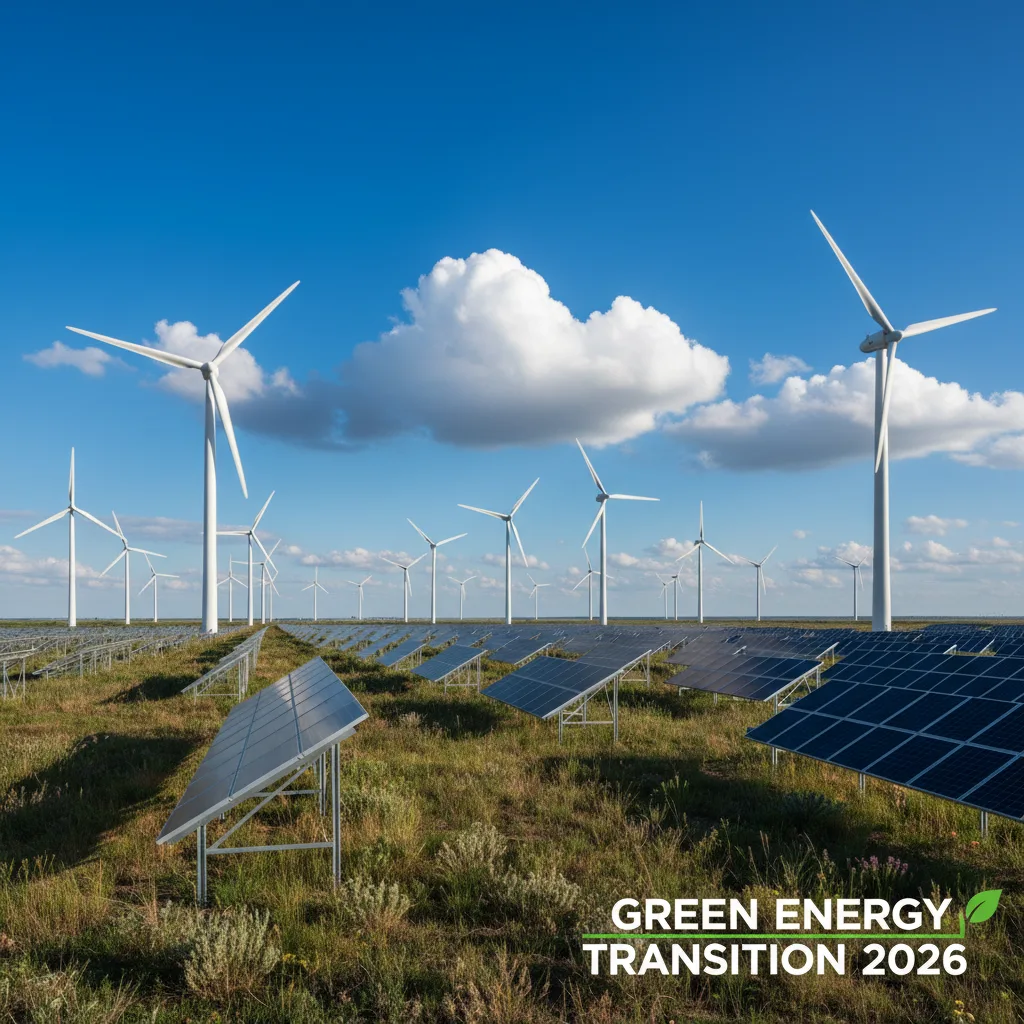
Top Features of the Best Green Energy ETFs for Beginners in 2026
When searching for the Best Green Energy ETFs for Beginners in 2026, you should look for several specific markers. First, check the assets under management (AUM). Larger funds generally offer better liquidity. This means you can buy and sell shares easily. Second, evaluate the dividend yield. While many green tech companies reinvest their profits, some established utilities offer steady payouts.
In addition, transparency is vital. You should know exactly which companies the fund holds. Some “ESG” funds include traditional energy companies that are simply “improving.” However, for a true green portfolio, you may prefer funds focused exclusively on pure-play renewables. This level of detail helps you avoid greenwashing in your brokerage account.
Analyzing the Top 3 Green ETFs for 2026
Several funds stand out as the Best Green Energy ETFs for Beginners in 2026 due to their track records and low costs. Let’s look at the heavy hitters. These funds provide broad exposure to various sub-sectors.
| ETF Ticker | Focus Sector | Expense Ratio | Risk Level |
|---|---|---|---|
| ICLN | Global Renewables | 0.40% | Moderate |
| TAN | Solar Only | 0.65% | High |
| QCLN | Clean Tech & EVs | 0.58% | Moderate |
The iShares Global Clean Energy ETF (ICLN)
ICLN remains a staple for many investors. It offers exposure to a wide variety of companies, including solar, wind, and hydroelectric power. Furthermore, it includes international holdings from Europe and Asia. This geographic diversity is essential. While the U.S. market is strong, countries like China and Norway are leaders in specific green technologies. According to Morningstar, ICLN provides one of the most balanced approaches to the sector.

How to Start Investing in Green ETFs
Starting is easier than you think. First, you need a brokerage account. Many modern platforms offer commission-free trading for ETFs. Once your account is funded, search for the ticker symbols mentioned above. I suggest using a “dollar-cost averaging” strategy. This involves investing a fixed amount of money every month. Consequently, you buy more shares when prices are low and fewer when they are high.
Additionally, keep an eye on your tax benefits. In the U.S., holding these in a Roth IRA can provide tax-free growth. For more details on fiscal strategies, check out the Securities and Exchange Commission (SEC) guidelines on beginner investing. They offer great resources on understanding fund prospectuses.
The Role of Solar and Wind in 2026
Solar energy technology has advanced rapidly. Modern panels are more efficient than those from even five years ago. If you are interested in this specific niche, the Invesco Solar ETF (TAN) is a popular choice. However, keep in mind that niche funds can be more volatile. They are sensitive to changes in raw material costs, like silicon.
On the other hand, wind power is seeing a resurgence in offshore projects. Governments in North America are opening new leases for coastal wind farms. These projects are massive in scale. They require long-term capital, which large green energy ETFs provide. To understand the environmental impact of these shifts, explore our greenhouse gas calculator. It helps put the energy transition into perspective.
Advantages and Disadvantages of Green Energy Investing
Every investment comes with trade-offs. While the long-term outlook for green energy is positive, you must be aware of the short-term risks. Interest rates, for example, heavily impact clean energy companies because they rely on large loans for infrastructure.
Advantages
- Strong government support and subsidies (e.g., Inflation Reduction Act).
- High potential for long-term growth as fossil fuels phase out.
- Alignment with ethical and environmental values.
- Increasing corporate demand for green power purchase agreements.
Disadvantages
- Higher volatility compared to broad market indices.
- Sensitivity to interest rate fluctuations.
- Political risk if environmental policies change.
- Supply chain issues for critical minerals like lithium.
Integrating Green ETFs into a Broader Portfolio
Don’t put all your eggs in one basket. Even the Best Green Energy ETFs for Beginners in 2026 should only be part of a diversified strategy. You might balance your green holdings with traditional index funds. This approach protects you if the tech sector faces a downturn. Furthermore, consider how your physical assets affect your finances. For instance, residential solar power can be a great way to save on bills while your investments grow in the background.
I found that combining stock market investments with home efficiency upgrades created a “compounding effect” on my sustainability goals. When you lower your expenses, you have more capital to invest in these green funds. This creates a virtuous cycle of financial and environmental health. For more ideas on where to put your money, read our guide on top green investment opportunities for Americans in 2026.

Frequently Asked Questions
What is the best way for a beginner to start with green ETFs?
The best way is to open a brokerage account and look for low-cost, broad-market green ETFs like ICLN. Start small and use dollar-cost averaging to build your position over time.
Are green energy ETFs risky?
Yes, they can be more volatile than the S&P 500. They are sensitive to interest rates and government policy changes. However, they offer high growth potential in the long term.
Do these ETFs pay dividends?
Some do, but usually, the yields are lower than traditional utility stocks. Most companies in these funds reinvest their earnings into research and expansion.
Conclusion
Choosing the Best Green Energy ETFs for Beginners in 2026 is a powerful step toward a sustainable future. By investing in these funds, you aren’t just seeking financial returns. You are voting with your dollars for a cleaner world. Remember to focus on diversification, keep your fees low, and stay patient. The energy transition is a marathon, not a sprint. Start your journey today and watch your green portfolio grow alongside the global shift to renewables.

Written by Mangaleswaran
Mangaleswaran is a dedicated sustainable living expert and the founder of EcoDweller. With a deep passion for renewable energy, he specializes in simplifying complex green technologies—like solar power and home efficiency—for the modern homeowner. His mission is to empower individuals to reduce their environmental impact while building more cost-effective, eco-friendly homes for the future.
Follow on Facebook