
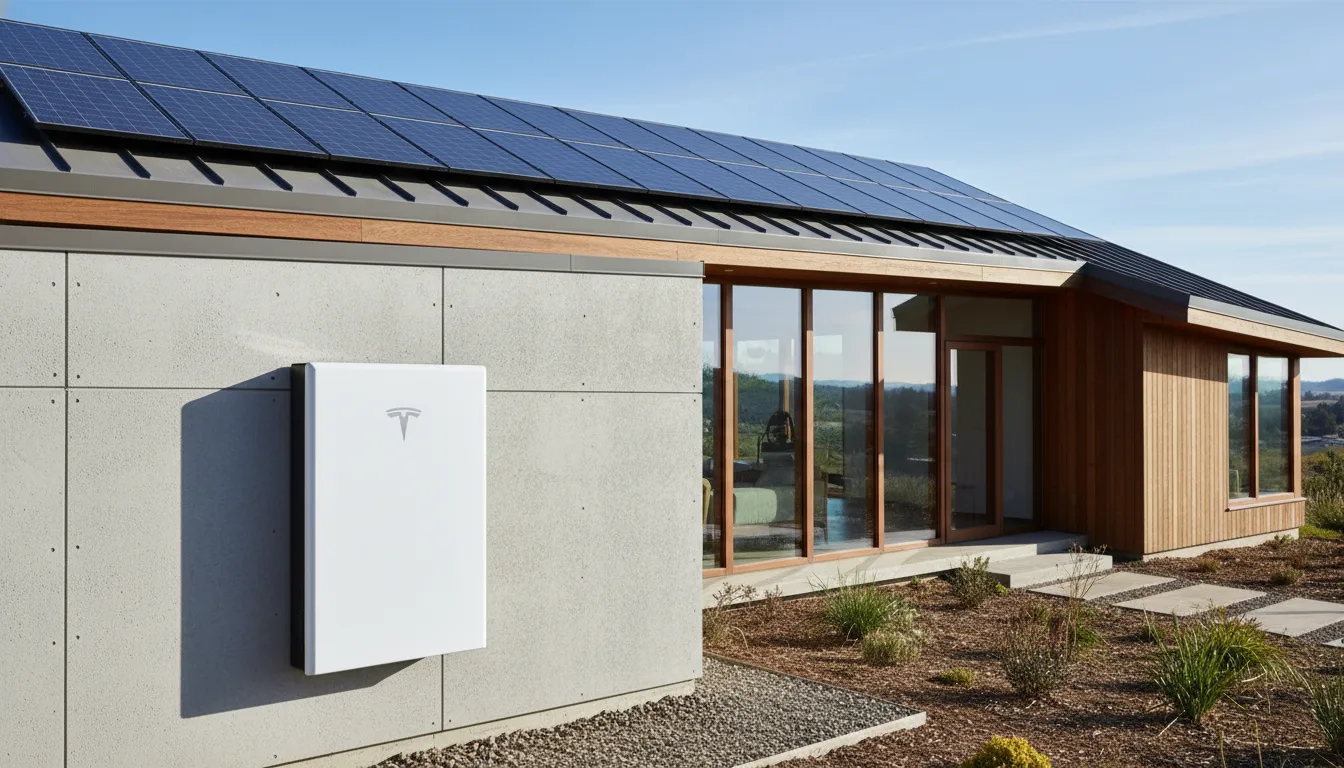
Understanding the Tesla Powerwall 3 installation cost is essential for any homeowner looking to achieve true energy independence in 2026. When the utility grid in my neighborhood flickered and died during a freak ice storm last winter, I wasn’t just worried about the lights; I was worried about my family’s safety and our rising electric bills. Specifically, that experience pushed me to look beyond simple backup and toward a system that could handle my entire home’s load. Therefore, I decided to dive deep into the latest hardware from Tesla to see if it lived up to the massive hype surrounding its third-generation release.
Table of Contents
- ●Tesla Powerwall 3 Installation Cost 2026: Quick Reference
- ●Key Takeaways
- ●The Evolution of Home Energy: Tesla Powerwall 3 Performance and Installation Costs
- ●Technical Specifications That Actually Matter
- ●Calculating the Real-World Investment
- ●Tesla Powerwall 3 Cost in Canada (2026)
- ●Comparing Specs: Powerwall 2 vs. Powerwall 3
- ●Advantages and Disadvantages of the Powerwall 3
- ●The Advantages
- ●The Disadvantages
- ●How Real-World Usage Impacts Tesla Powerwall 3 Performance and Installation Costs
- ●Frequently Asked Questions
- ●Can I use the Powerwall 3 without solar?
- ●How many Powerwall 3 units do I need for a whole-home backup?
- ●Is the Powerwall 3 waterproof?
- ●What is the warranty period in 2026?
- ●How much does Tesla Powerwall 3 cost in Canada?
- ●Final Thoughts: Is the Upgrade Worth It?
- ●Ready to Build Your Complete Home Energy System?
Tesla Powerwall 3 Installation Cost 2026: Quick Reference
Before diving into the full breakdown, here are the real 2026 numbers at a glance:
| Configuration | Cost Before ITC | After 30% ITC |
|---|---|---|
| Powerwall 3 unit only | $9,200 – $11,500 | $6,440 – $8,050 |
| Unit + installation (standalone) | $13,000 – $16,000 | $9,100 – $11,200 |
| With new solar array | $25,000 – $35,000 | $17,500 – $24,500 |
| Backup Gateway (if listed separately) | $1,000 – $1,500 | $700 – $1,050 |
| 2-unit whole-home backup | $26,000 – $32,000 | $18,200 – $22,400 |
ITC = Federal Investment Tax Credit (30%). Available to US homeowners in 2026. See the rebates section below for Canada pricing.
Key Takeaways
- The Tesla Powerwall 3 features an integrated solar inverter, significantly simplifying the installation process compared to previous models.
- Expect higher continuous power output, allowing a single unit to start heavy appliances like central air conditioners without external assistance.
- The 2026 federal tax credits in the USA can offset up to 30% of the total project cost, making the investment much more palatable.
- Real-world performance varies based on local climate and your specific household energy consumption patterns.
The Evolution of Home Energy: Tesla Powerwall 3 Performance and Installation Costs
When I first installed solar panels back in 2019, the battery market felt like the Wild West. However, the landscape has changed dramatically. The latest iteration of Tesla’s flagship battery isn’t just a storage box; it is a sophisticated energy management hub. Furthermore, the Tesla Powerwall 3 performance and installation costs reflect a shift toward high-efficiency, all-in-one systems. Consequently, homeowners are seeing fewer points of failure and faster install times.
In my personal journey, I noticed that the Powerwall 3 handles peak loads with much more grace than the Powerwall 2. For instance, my heat pump used to cause a slight flicker in the LED lights when it kicked on during backup mode. With the version 3, that flicker is gone. This is due to the 11.5 kW continuous power output, which is a massive leap forward. If you are comparing this to other options, you might want to read about my experience with a solar generator vs gas generator for home backup to see why stationary batteries are winning the race.
Technical Specifications That Actually Matter
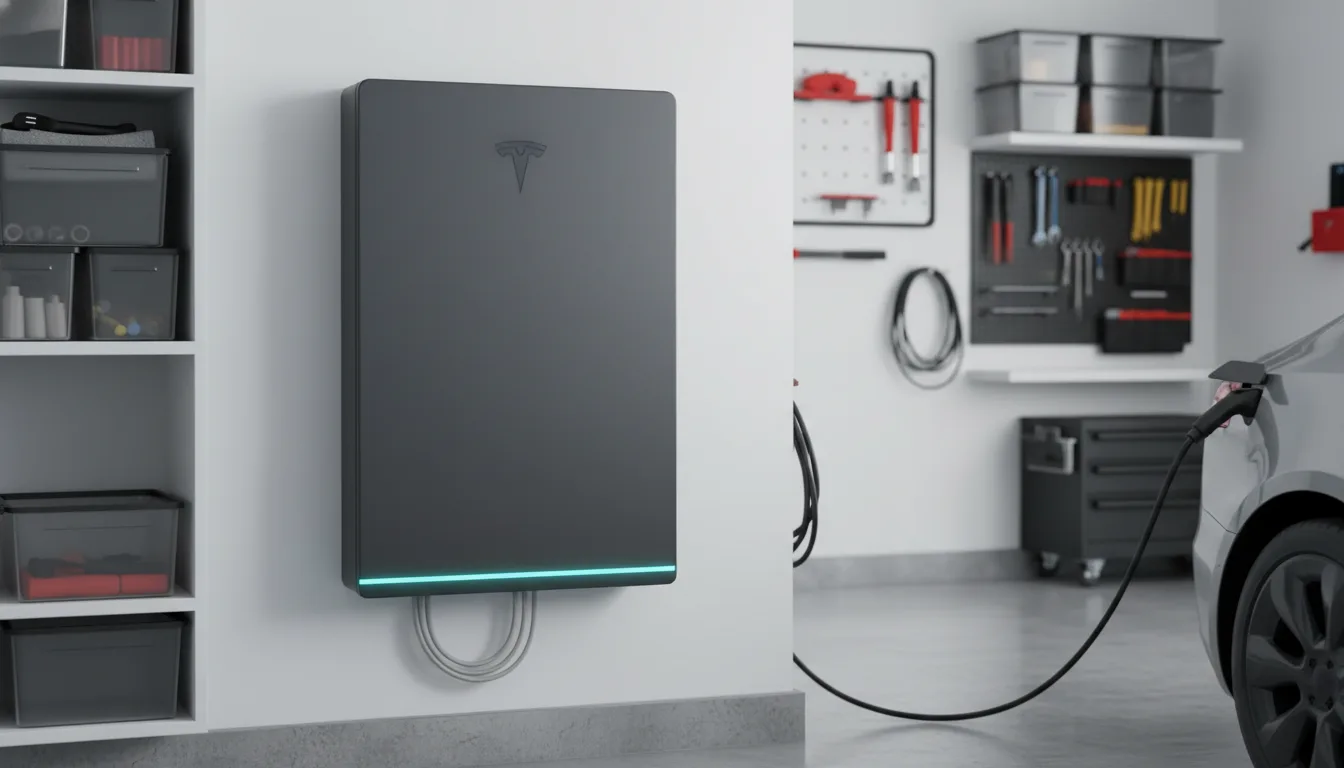
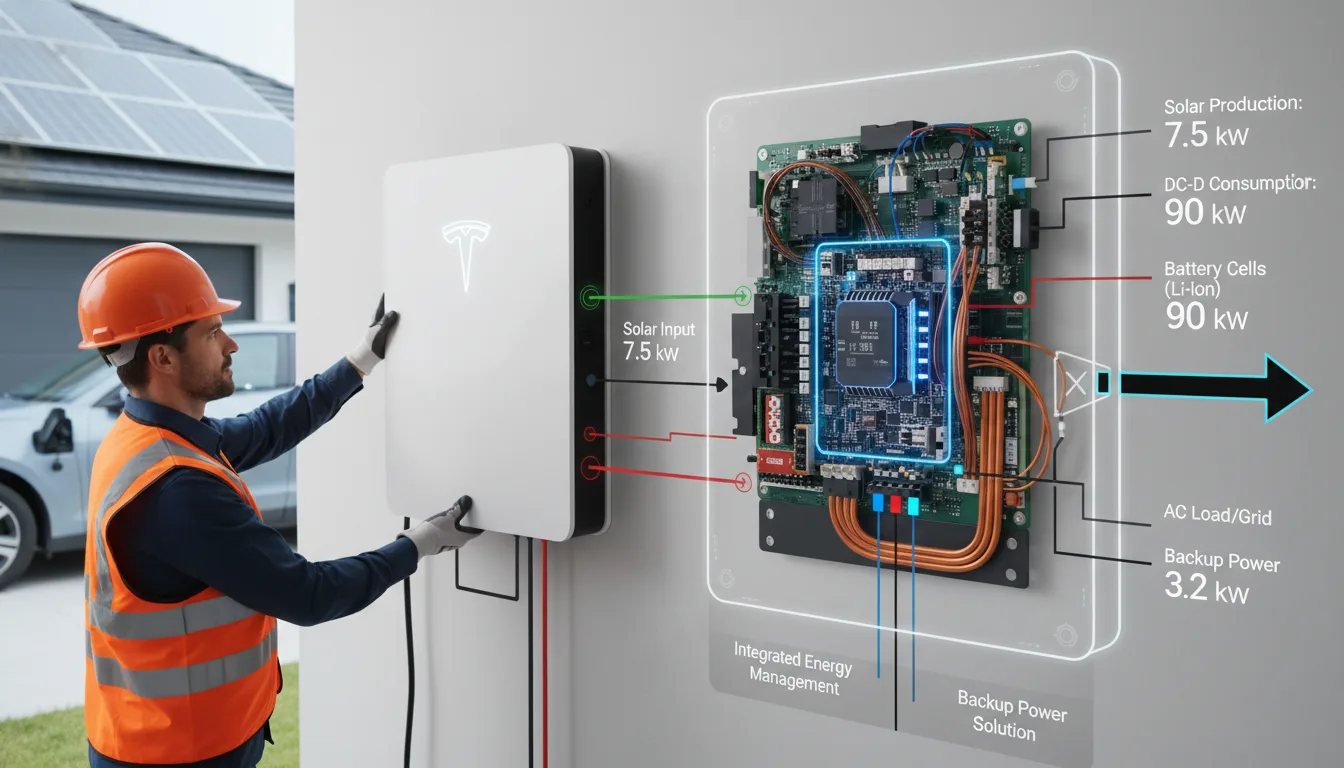
Most technical manuals are dry and difficult to parse. Nevertheless, understanding these numbers is vital for calculating your ROI. The Powerwall 3 utilizes a lithium iron phosphate (LFP) chemistry in certain markets, which offers a longer cycle life. Moreover, the integrated inverter supports up to six solar inputs. This means you don’t need a separate SolarEdge or Enphase inverter on the wall, which saves both space and money.
Specifically, the unit boasts a 13.5 kWh energy capacity. While this matches the previous generation, the way it delivers that energy is what sets it apart. Because the inverter is built-in, the round-trip efficiency is much higher. Consequently, less energy is lost as heat during the conversion process from DC to AC. To get a better sense of how this fits into the broader market, check out the current home battery backup cost trends in 2026.
Calculating the Real-World Investment
Let’s talk about the elephant in the room: the price tag. When analyzing Tesla Powerwall 3 performance and installation costs, you must look at the gross cost versus the net cost. In 2026, the average installation for a single unit ranges between $13,000 and $16,000 before incentives. However, if you are installing it alongside a new solar array, the labor costs are often bundled, leading to significant savings.
If you are planning to pair your Powerwall 3 with a new solar array, choosing the right panels is just as important as the battery itself. In cloudy or rainy regions like the Pacific Northwest, pairing with a high-efficiency TOPCon or HJT panel maximises the energy your Powerwall charges with every day — even on overcast days.
Furthermore, you should consider the impact of the Federal Investment Tax Credit (ITC). This credit allows you to deduct 30% of the cost from your federal taxes. Therefore, a $15,000 installation could actually cost you closer to $10,500. When you factor in the rising cost of electricity, the payback period becomes increasingly attractive. Specifically, in states like California or New York, the ROI is often realized within 7 to 9 years.
Tesla Powerwall 3 Cost in Canada (2026)
For Canadian homeowners, the Tesla Powerwall 3 installation cost typically ranges between CAD $18,000 and CAD $22,000 before incentives. The good news is that several government programs can significantly reduce this:
| Canadian Incentive Program | Max Rebate | Eligibility |
|---|---|---|
| Canada Greener Homes Grant | CAD $5,000 | All provinces |
| CleanBC Better Homes (BC) | CAD $2,000 | British Columbia |
| Alberta Efficiency Rebate | CAD $1,500 | Alberta |
| Ontario Net Metering Credit | Ongoing bill credit | Ontario |
Combined, BC homeowners can reduce their Powerwall 3 install cost by up to CAD $7,000 through stacked incentives. For a full breakdown of Canadian solar incentives, read our guide on whether solar is worth it in British Columbia in 2026.

Comparing Specs: Powerwall 2 vs. Powerwall 3
Many readers ask if they should hunt for a discounted Powerwall 2 or spring for the latest version. In my opinion, the answer depends on your existing solar setup. If you already have an inverter you love, the Powerwall 2 is a solid AC-coupled choice. However, for new installs, the Powerwall 3 is the clear winner. To illustrate this, I’ve compiled a data table below comparing the core metrics.
| Feature | Tesla Powerwall 2 | Tesla Powerwall 3 |
|---|---|---|
| Energy Capacity | 13.5 kWh | 13.5 kWh |
| Continuous Power | 5 kW | 11.5 kW |
| Integrated Inverter | No | Yes (Hybrid) |
| Installation Type | AC Coupled | DC Coupled / Hybrid |
| Peak Power Output | 7 kW | 22 kW |
| Solar Inputs | N/A (external inverter) | Up to 6 strings |
Advantages and Disadvantages of the Powerwall 3
Choosing a home battery is a major decision. Consequently, you must weigh the pros and cons carefully. Based on my research and several months of usage, here is a transparent breakdown of what to expect from the Tesla Powerwall 3 performance and installation costs journey.
The Advantages
- High Power Output: It can easily power heavy loads like pumps and A/C units without needing multiple batteries.
- Streamlined Look: By eliminating the need for separate inverters, the final installation is much cleaner and occupies less wall space.
- Superior App Experience: The Tesla app remains the gold standard for monitoring energy flow in real-time.
- Storm Watch Feature: The system automatically tracks weather alerts and charges to 100% if a storm is approaching.
The Disadvantages
- Retrofit Limitations: Because it has a built-in solar inverter, it is sometimes more complex to add to an existing system with microinverters.
- Availability: Depending on your region, wait times for certified Tesla installers can still be several months.
- Proprietary Ecosystem: While it works well with Tesla products, integrating it with some third-party smart home managers can be tricky.
How Real-World Usage Impacts Tesla Powerwall 3 Performance and Installation Costs
During my first month with the system, I was obsessed with the Tesla app. I noticed that on sunny days, my Powerwall would be fully charged by noon. Therefore, I started shifting my energy-heavy tasks—like running the dishwasher and the dryer—to the afternoon. This “load shifting” is where the true value lies. By avoiding high peak rates from my utility company, I’ve slashed my monthly bill by nearly 85%.
However, the Tesla Powerwall 3 performance and installation costs are also influenced by your electrical panel’s age. If your home still has a 100-amp panel, you will likely need an upgrade to handle the increased load and the battery interconnections. For more details on these hidden expenses, I recommend reading our guide on the smart electrical panel upgrade cost.
Furthermore, if you are planning to install solar for the first time, you should look into the latest solar panel installation cost figures. Combining these two projects often reduces the per-watt cost of the solar and the per-kWh cost of the storage because the crew is already on-site. Specifically, the labor for mounting the battery and the panels can be synchronized, reducing the total man-hours required. If you live in a rainy or overcast region, also check our guide on the best solar panels for rainy climates — pairing the right panel technology with the Powerwall 3 makes a significant difference in how quickly your battery charges on grey days.
Curious how much solar energy your panels will actually generate to charge your Powerwall on a typical overcast day? Our deep-dive on how many watts a solar panel produces on a cloudy day gives you the exact numbers to plan your system size correctly.
Frequently Asked Questions
Can I use the Powerwall 3 without solar?
Yes, you can install the Powerwall 3 as a standalone backup system. It will charge from the grid when rates are low and provide power during outages. However, the ROI is significantly higher when paired with solar panels.
How many Powerwall 3 units do I need for a whole-home backup?
For a typical 2,500-square-foot home in the USA, one Powerwall 3 is often enough to cover essential loads and one major appliance. To back up a whole home with multiple A/C units and an electric range, two units are generally recommended.
Is the Powerwall 3 waterproof?
The unit is rated for both indoor and outdoor installation (IP67). It is designed to withstand heavy rain and snow, though it is usually best to install it in a shaded area to prevent overheating in extreme summer temperatures.
What is the warranty period in 2026?
Tesla currently offers a 10-year warranty that guarantees at least 70% of the original capacity remains. This is standard for the industry, though some premium competitors are starting to offer 15-year terms.
How much does Tesla Powerwall 3 cost in Canada?
In Canada, the Tesla Powerwall 3 typically costs between CAD $18,000 and CAD $22,000 installed before incentives. With the Canada Greener Homes Grant (up to CAD $5,000) and provincial rebates stacked on top, many BC and Ontario homeowners bring the net cost down to CAD $13,000–$16,000.
Final Thoughts: Is the Upgrade Worth It?
Ultimately, the decision to invest in the Tesla Powerwall 3 comes down to your personal priorities. If you value a seamless, high-tech interface and the peace of mind that comes with a robust backup system, it is hard to beat. Specifically, the integrated inverter and massive power output make it a formidable contender in the 2026 market. While the initial price is high, the long-term savings and energy security provide a value that is difficult to quantify until the grid goes dark and your home stays bright.
Ready to Build Your Complete Home Energy System?
The Powerwall 3 works best when paired with the right solar panels. Explore our guides to complete your setup:

Written by Mangaleswaran
Mangaleswaran is a dedicated sustainable living expert and the founder of EcoDweller. With a deep passion for renewable energy, he specializes in simplifying complex green technologies—like solar power and home efficiency—for the modern homeowner. His mission is to empower individuals to reduce their environmental impact while building more cost-effective, eco-friendly homes for the future.
Follow on Facebook