
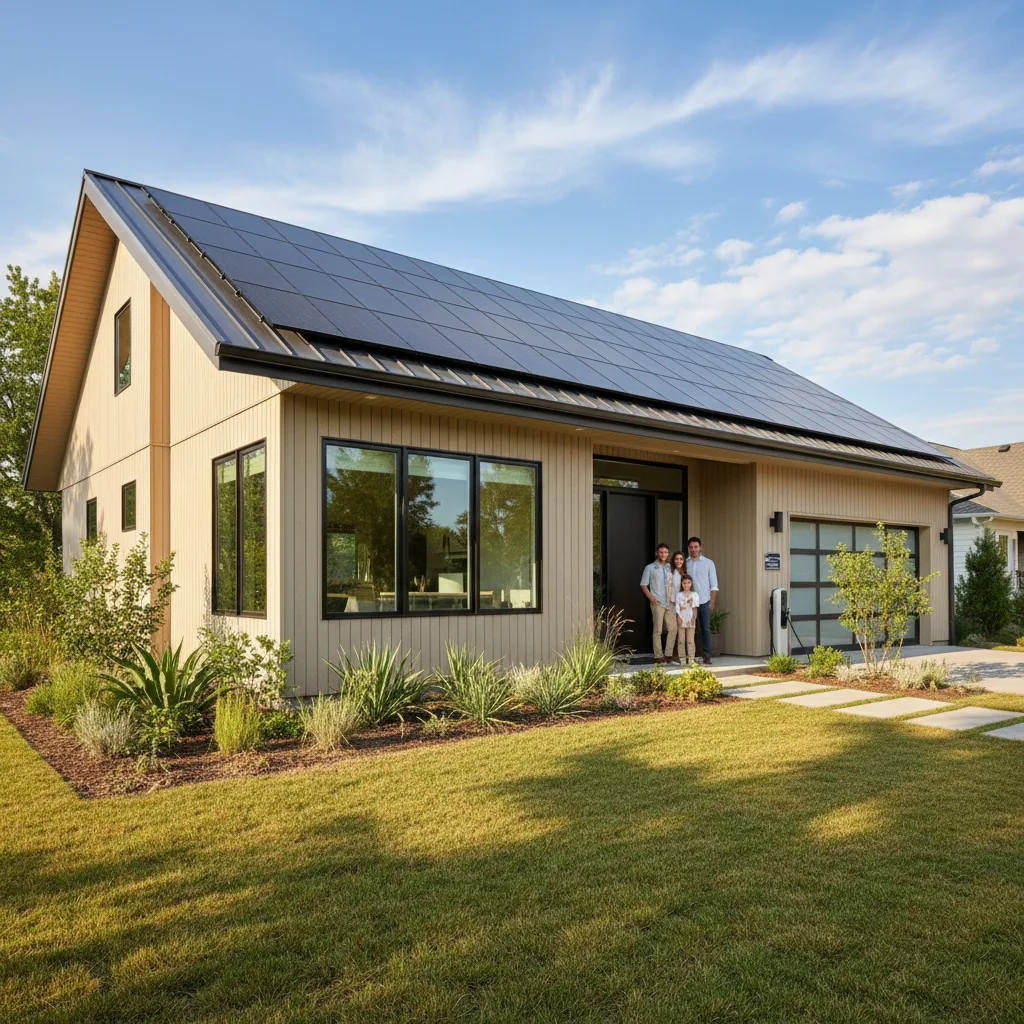
I remember the sinking feeling in my stomach when I received the quote for a complete HVAC overhaul and a 6kW solar array for my older home. The total was nearly $35,000. Like most homeowners, I didn’t have that kind of cash sitting in a drawer, and my credit card limits weren’t exactly inviting that kind of debt. That’s when I started exploring PACE financing for energy-efficient home upgrades as a viable alternative to traditional bank loans. It changed everything about how I approached my home’s carbon footprint.
Table of Contents
- ●Key Takeaways
- ●What is PACE Financing and How Does It Actually Work?
- ●Qualifying for PACE: Is Your Home Eligible?
- ●The Application Process in 4 Steps
- ●A Real-World Example: The “Solar + HVAC” Math
- ●Interactive PACE Payment Estimator
- ●PACE Assessment Calculator
- ●Common Mistakes When Using PACE Financing
- ●Truth & Warning: The Lien Priority Conflict
- ●Pro Tips for Navigating PACE Like an Expert
- ●Is PACE Right for You? A Final Verdict
- ●Ready to Electrify Your Home?
- ●Frequently Asked Questions (FAQ)
- ●1. Does PACE financing affect my credit score?
- ●2. Can I use PACE for a new roof?
- ●3. Is the interest on PACE financing tax-deductible?
- ●4. What happens if I can’t pay my PACE assessment?
- ●5. Are there any income requirements for PACE?
PACE, or Property Assessed Clean Energy, isn’t your typical personal loan. It’s a financing mechanism that attaches the debt to the property itself rather than the individual. If you’ve been dreaming of a net-zero home but are intimidated by the upfront costs, this guide is for you. We’re going to dive deep into the mechanics, the risks, and the massive rewards of this unique green financing tool.
Key Takeaways
- PACE financing is repaid through an assessment on your property tax bill.
- Approval is primarily based on home equity, not just your FICO credit score.
- The loan stays with the property, which can be a double-edged sword during a sale.
- It covers 100% of upfront costs for energy, water, and even hurricane resiliency upgrades.
- Interest rates are typically fixed but may be higher than a standard Home Equity Line of Credit (HELOC).
What is PACE Financing and How Does It Actually Work?
When you begin evaluating PACE programs for home improvements, you have to shift your mindset away from banking and toward municipal assessments. Imagine your city deciding to pave your street; they often charge homeowners a special assessment on their tax bill. PACE works exactly like that, but for your home’s energy systems.
- Property-Linked: The obligation to pay is tied to the land. If you sell the house, the next owner technically takes over the payments (though this is often negotiated during the sale).
- Long Repayment Terms: You can spread the cost over 10 to 20 years, making even large projects like residential solar power installations affordable on a monthly basis.
- No Upfront Cash: You don’t pay a dime out of pocket. The PACE provider pays the contractor directly once the job is verified.
- State-Specific: Currently, residential PACE is most active in California, Florida, and Missouri, though commercial PACE is available in over 30 states.
Qualifying for PACE: Is Your Home Eligible?
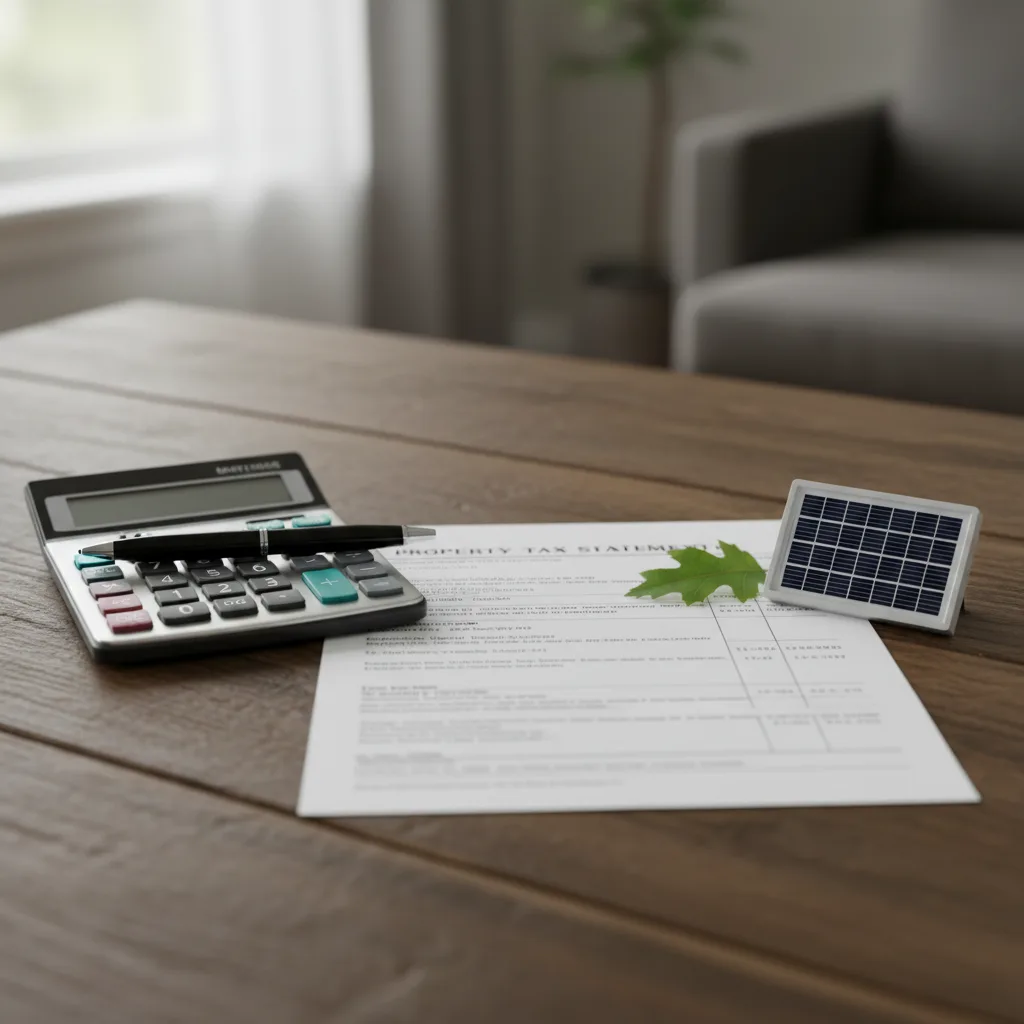
One of the most attractive features of PACE is the accessibility. Since the security for the loan is the property itself, the requirements differ significantly from a second mortgage. If you have been looking into smart home energy revolutions but have a lower credit score, PACE might be your best path forward.
- Home Equity: Generally, you need at least 10-15% equity in your home. The total debt (including the PACE assessment) usually cannot exceed 90-97% of the home’s value.
- Mortgage Standing: You must be current on your mortgage payments for the last 12-36 months.
- Property Tax History: No late property tax payments for the preceding three years is a standard requirement.
- Bankruptcy Status: You cannot be currently in bankruptcy or have a recent discharge (usually within 2-7 years).
- Project Type: The upgrade must be permanently affixed to the property. Think eco-friendly insulation or central HVAC, not a smart refrigerator.
The Application Process in 4 Steps
The process of securing a PACE assessment for green upgrades involves a specific workflow that protects the homeowner and the lender. Here is how it typically goes down:
- Contractor Selection: You must use a PACE-registered contractor. This ensures the installer is vetted and understands the program’s reporting requirements.
- Approval: You apply through a provider like Renew Financial or Ygrene. They check your property records and equity.
- Installation: The work is completed. You should never pay the contractor yourself; the PACE provider handles this after you sign a completion certificate.
- Assessment: Your local tax authority adds the annual payment amount to your property tax bill.
A Real-World Example: The “Solar + HVAC” Math
Let’s look at a real-world scenario from a homeowner in Florida. This illustrates why understanding PACE financing for energy efficient home upgrades is so critical for financial planning. Most people find that the energy savings actually exceed the tax assessment increase.
| Item | Cost / Value |
|---|---|
| Total Project Cost (Solar + Heat Pump) | $25,000 |
| Federal Tax Credit (30% ITC) | -$7,500 |
| PACE Term | 20 Years |
| Annual Tax Assessment Increase | $2,400 ($200/mo) |
| Estimated Monthly Energy Savings | $225 |
| Net Monthly Cash Flow | +$25 Profit |
In this example, the homeowner is actually *making* $25 a month from day one, while also increasing the value of their home and reducing their carbon footprint. You can learn more about these credits in our guide on how to claim the federal solar tax credit.
Interactive PACE Payment Estimator
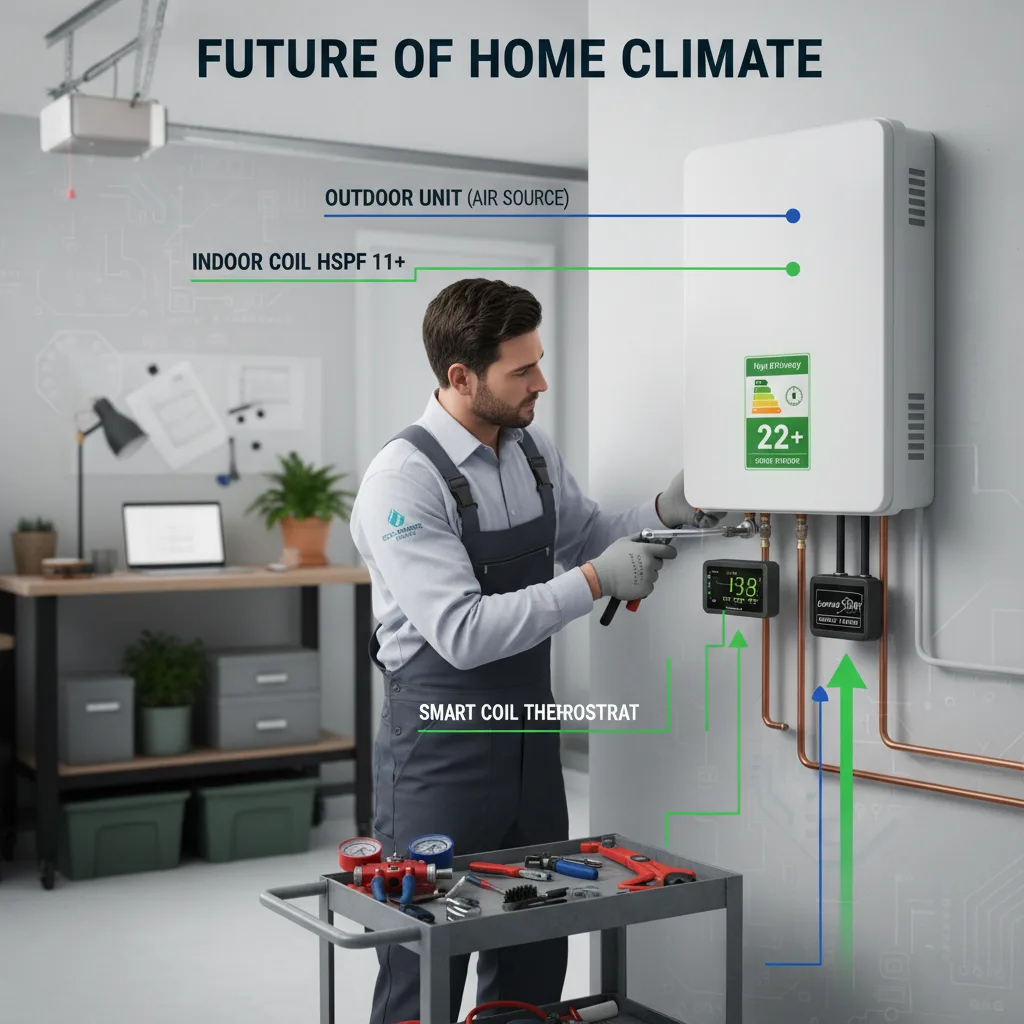
Want to see what your potential annual assessment might look like? Use our mini-calculator below to estimate your PACE assessment costs.
PACE Assessment Calculator
Common Mistakes When Using PACE Financing
While I love the accessibility of PACE, many homeowners dive in without fully understanding PACE financing. These mistakes can lead to major headaches down the line, particularly when you decide to move.
- Overestimating Savings: Don’t just take the contractor’s word for it. Check your historical utility bills. If you’re upgrading a heat pump water heater, use actual energy labels to calculate ROI.
- Ignoring the Prepayment Penalty: Some PACE programs have steep fees if you want to pay the assessment off early. Always read the fine print regarding “voluntary prepayment.”
- Assuming the Loan Automatically Transfers: While the law says the assessment stays with the property, many buyers (and their mortgage companies, like Fannie Mae or Freddie Mac) will insist you pay it off before they close.
- Failing to Compare Interest Rates: PACE rates can sometimes be 1-3% higher than a HELOC or a dedicated energy-efficient mortgage. Don’t choose PACE just because it’s easy; choose it because it’s the best financial fit.
- Not Checking for Rebates: Many PACE projects also qualify for local utility rebates. If the contractor doesn’t mention them, they might be pocketing the difference or simply being lazy.
Truth & Warning: The Lien Priority Conflict
This is the “elephant in the room” that most PACE sales reps won’t emphasize. In most jurisdictions, PACE assessments have “senior priority.” This means if you default, the tax lien is paid off *before* your mortgage company gets a dime. This makes banks extremely nervous.
- Refinancing Challenges: If you have a PACE lien, you may find it nearly impossible to refinance your mortgage unless you pay off the PACE assessment first.
- Federal Restrictions: The Federal Housing Finance Agency (FHFA) has historically been wary of PACE because of this priority status.
- The “Pay-at-Close” Reality: Be prepared for the reality that if you sell your home, the buyer’s lender will likely demand the PACE assessment be settled from your sale proceeds.

Pro Tips for Navigating PACE Like an Expert
After years of analyzing green energy trends at EcoDweller, I’ve gathered some “insider” tips for navigating the PACE financing process that can save you thousands.
- Stack Your Incentives: Always use PACE in conjunction with the Inflation Reduction Act (IRA) tax credits. You can use the tax credit money you receive in April to make a bulk payment toward your PACE principal.
- Verify Contractor Licensing: Check the PACENation database to ensure your provider is in good standing.
- Audit Your Energy First: Before spending $20k on solar, spend $500 on a professional energy audit. Sometimes, simple DIY energy-saving hacks can reduce your need for a massive system.
- Negotiate the Price: Since contractors know PACE financing is “easy money” for homeowners, they sometimes inflate quotes. Get at least three quotes, just like you would for any other renovation.
- Check for “Transferability” Clauses: Ask for a written statement on how the program handles property transfers. Some states have clearer laws than others on this.
Is PACE Right for You? A Final Verdict
At the end of the day, a thorough review of PACE financing reveals that it is a tool—and like any tool, it depends on how you use it. If you plan on staying in your home for the next 10+ years and need major upgrades to make the house livable or affordable, PACE is a godsend. It allows you to preserve your cash flow while immediately benefiting from lower utility bills.
However, if you plan to move in the next 24 months, or if you have a top-tier credit score that could net you a 4% HELOC, PACE might be an expensive way to borrow. Always weigh the “convenience” of tax-bill repayment against the long-term flexibility of your mortgage.
Ready to Electrify Your Home?
Don’t stop at financing! Learn how to transform your entire lifestyle with our latest guide.
Frequently Asked Questions (FAQ)
1. Does PACE financing affect my credit score?
Applying for PACE usually involves a soft credit pull, which doesn’t hurt your score. Since it’s a tax assessment, it doesn’t always show up as a “loan” on your credit report, but a default could seriously damage your credit and lead to foreclosure.
2. Can I use PACE for a new roof?
Yes, but usually only if the roof is part of a solar installation or uses energy-reflective “cool roof” materials. In some states like Florida, PACE also covers wind-resistance upgrades like hurricane windows and roofs.
3. Is the interest on PACE financing tax-deductible?
In many cases, the interest portion of your PACE payment may be deductible as a property tax expense, but tax laws vary. You should always consult a tax professional or refer to Energy.gov resources.
4. What happens if I can’t pay my PACE assessment?
Because it is part of your property taxes, failure to pay can lead to the same consequences as not paying your property taxes, including tax certificates being sold and potential loss of the home through foreclosure.
5. Are there any income requirements for PACE?
No, PACE is generally not based on your income. It is based on the value of your property and your history of making mortgage and tax payments. This makes it an excellent option for retirees or those with fluctuating income.
Ultimately, securing the right financing is about taking control of your home’s future. is about taking control of your home’s future. Whether you’re installing a Tesla Powerwall 3 or just beefing up your insulation, PACE provides a bridge between your green goals and your current bank balance. Start by checking your local municipal website to see if PACE is active in your zip code today!

Written by Mangaleswaran
Mangaleswaran is a dedicated sustainable living expert and the founder of EcoDweller. With a deep passion for renewable energy, he specializes in simplifying complex green technologies—like solar power and home efficiency—for the modern homeowner. His mission is to empower individuals to reduce their environmental impact while building more cost-effective, eco-friendly homes for the future.
Follow on Facebook