
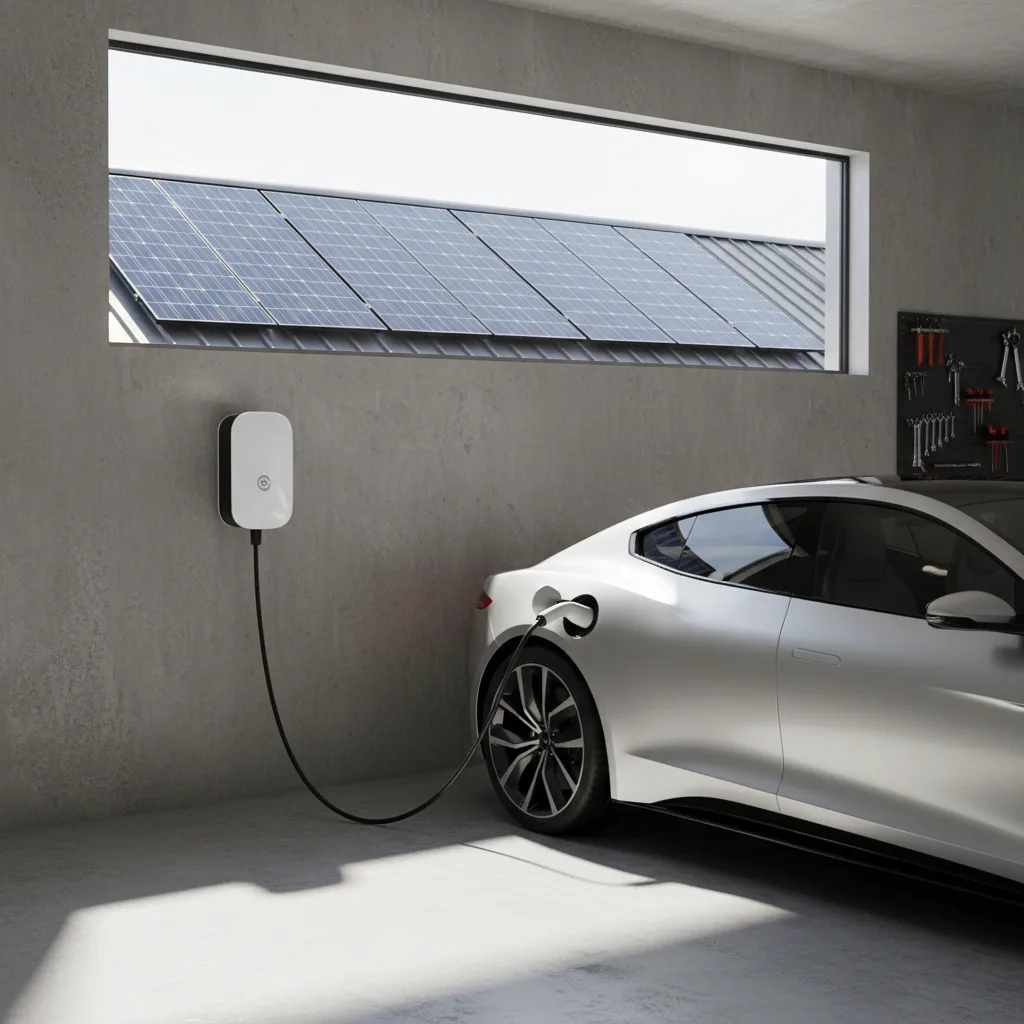
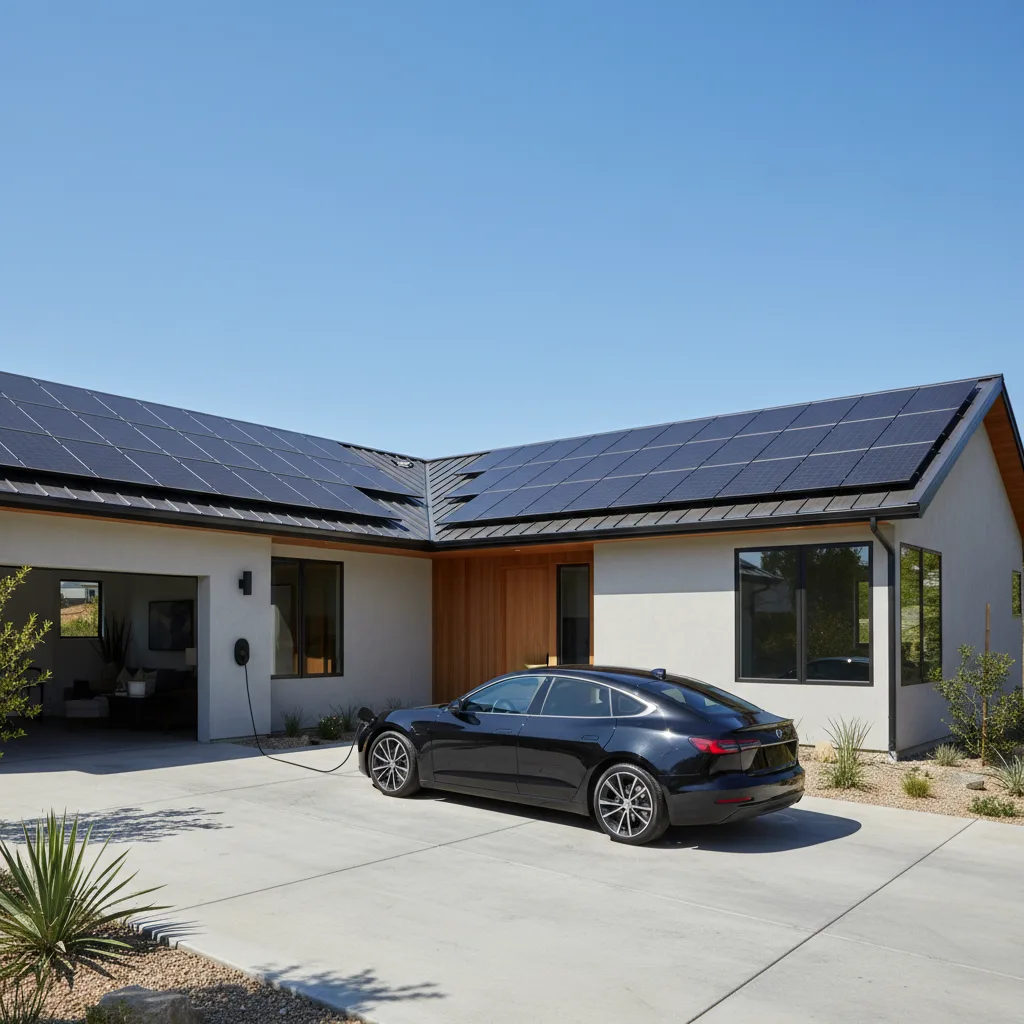
I bought an electric vehicle to stop buying gasoline. Two months later, my electric bill jumped $140. I was buying grid power during peak evening rates to charge the car. But my rooftop solar panels were sending excess energy back to the utility company for pennies during the day.
Table of Contents
- ●Key takeaways
- ●The mechanics of solar-matched charging
- ●Reviewing the best EV charger for solar panels in 2026
- ●1. Enphase IQ EV Charger 2
- ●2. Wallbox Pulsar Plus
- ●3. MyEnergi Zappi v2.1
- ●4. Emporia Smart Home EV Charger
- ●Inverter compatibility: the hidden trap
- ●Sizing your solar array for EV charging
- ●The installation process
- ●The math behind the savings
- ●Solar EV charging ROI calculator
- ●Navigating tax credits and rebates
- ●A warning about home batteries
- ●Common questions about solar EV charging
- ●Can I still charge at night?
- ●What if my panels don’t produce enough power?
- ●Do I need internet for this to work?
So I needed the best EV charger for solar panels to capture that midday sun.
Key takeaways
- Standard EV chargers ignore your solar panels and pull expensive grid power.
- Solar-matching chargers talk to your electrical panel to only use excess rooftop energy.
- The hardware costs between $400 and $800, plus an extra consumption meter.
- You can recover the upgrade cost in about two years through utility savings.
- Always verify inverter compatibility before paying an electrician.
The mechanics of solar-matched charging
Most standard Level 2 chargers pull power blindly. You plug them in, and they draw 40 amps directly from your electrical panel. If your solar array only produces 15 amps right then, your house buys the remaining 25 amps from the utility grid.
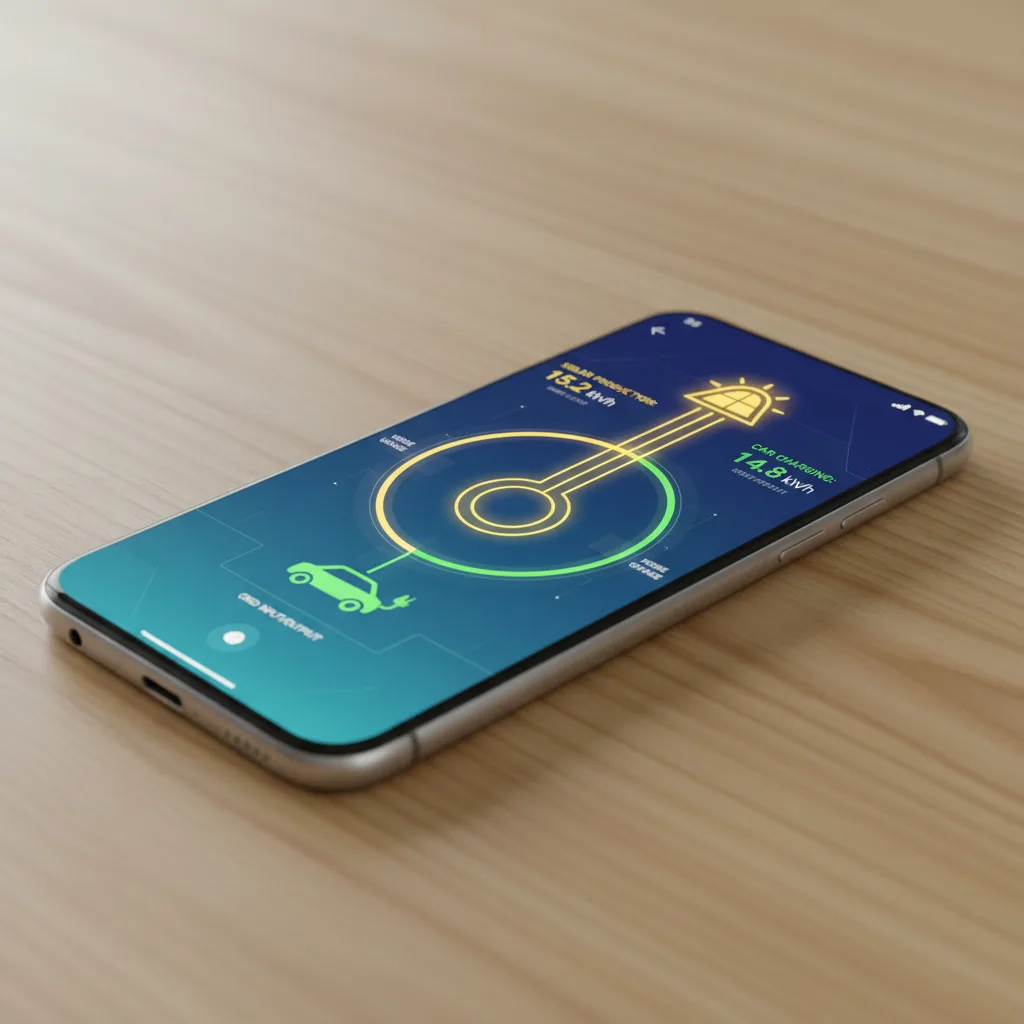
A solar-tracking charger watches your total home energy consumption and your rooftop production in real-time. When the panels generate surplus power, the charger shoves that exact amount into your car battery.
If you run your electric dryer, the house consumes more power. The charger instantly dials back the juice flowing to your car. When the dryer stops, it ramps back up. Your vehicle becomes a sponge for cheap electricity.
Reviewing the best EV charger for solar panels in 2026
I tested four models built specifically to handle bidirectional data and solar matching. I judged them mostly on app reliability and how quickly they react to passing clouds.
| Charger Model | Base Cost | Extra Hardware Required? | Connection Type |
|---|---|---|---|
| Enphase IQ EV Charger 2 | $650 | No (Requires Enphase Solar) | WiFi |
| Wallbox Pulsar Plus | $649 | Yes ($250 Energy Meter) | Bluetooth/WiFi |
| MyEnergi Zappi v2.1 | $750 | No (CT Clamps Included) | Hardwired CT |
| Emporia Smart Home | $399 | Yes ($165 Vue Monitor) | WiFi |
1. Enphase IQ EV Charger 2
If you already have Enphase microinverters on your roof, buy this unit. You manage your panels and your car from one app. It bolts directly into the Enphase ecosystem.
You can set it to Green Mode. The system strictly uses excess solar to charge the car. If a cloud passes over, the charger drops the power draw to match the shadow.
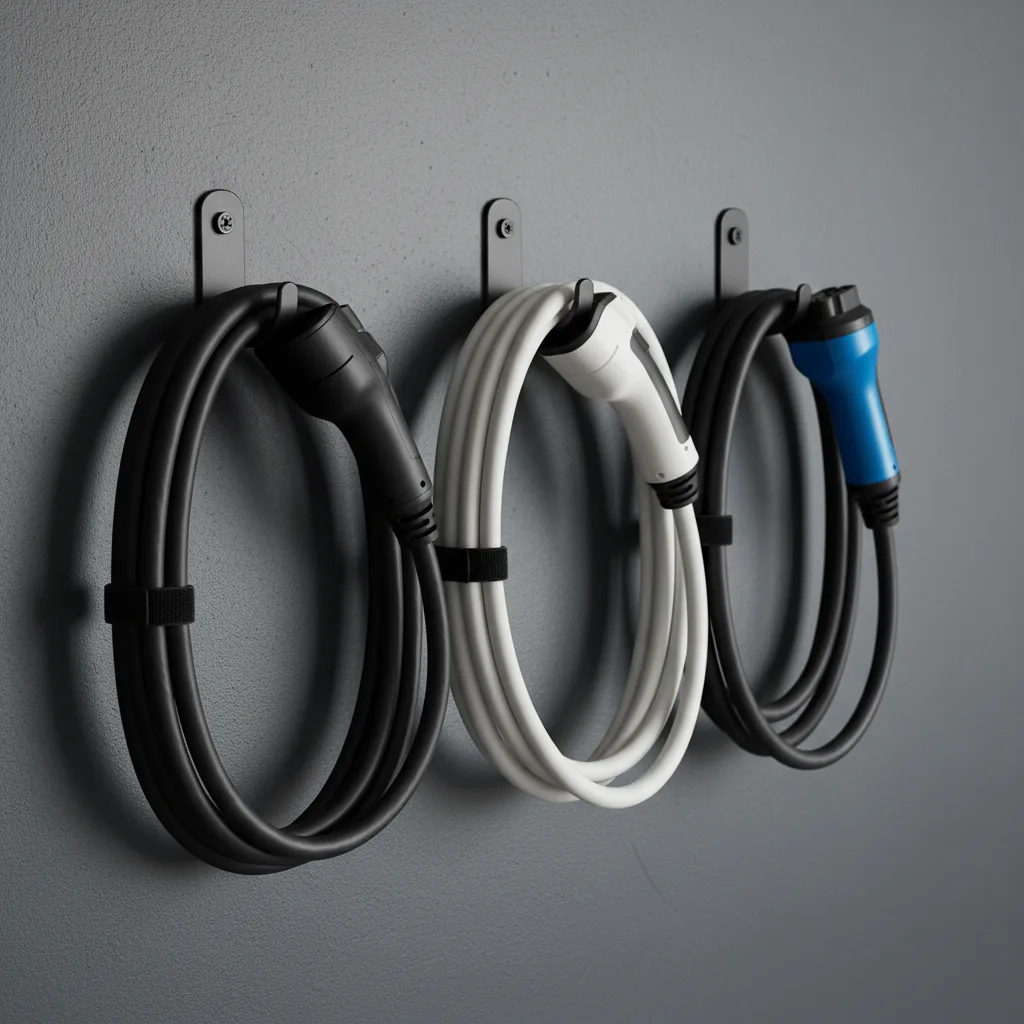
The 25-foot cable has a thick outer jacket that stays flexible in freezing temperatures. You can verify the technical specs and the 5-year warranty directly on the Enphase Energy website.
2. Wallbox Pulsar Plus
Wallbox requires an extra $250 energy meter installed in your main electrical panel. The meter reads the solar production. Once wired, the Eco-Smart software takes over.
You choose between two modes. Eco mode blends grid and solar power to hit a target time. Full Green mode only charges when your panels produce at least 6 amps of surplus power.
The app has a slight learning curve. The Bluetooth connection sometimes drops if your phone is more than 15 feet away. But Wallbox offers excellent customer support to navigate the setup process.
3. MyEnergi Zappi v2.1
The Zappi was built from the ground up for solar tracking. It comes with current transformer clamps. Your electrician snaps these clamps onto your incoming grid cables.
The unit constantly reads the grid draw. If it sees zero grid draw and surplus solar, it routes the power to your car.
The screen on the front is physical. You don’t always need to pull out your phone to change the charging mode. The hardware feels incredibly sturdy (you can read more about their engineering approach at MyEnergi).
4. Emporia Smart Home EV Charger
Emporia sells their charger for $399. To get the solar matching, you also need their Vue Gen 3 Energy Monitor for $165. The Vue reads your main electrical panel and sends data to the charger via WiFi.
The app gives you granular data. You can actually watch your refrigerator cycle on and off while the car charges. If your WiFi drops, the solar matching stops.
I generally prefer hardwired communication for reliability. But the low entry price makes Emporia pretty hard to ignore.
Inverter compatibility: the hidden trap
Many homeowners buy a charger, bolt it to the wall, and then realize it refuses to talk to their solar inverter. Your panels might be made by Qcells and your charger by ChargePoint. They don’t share a native API.
If you own a specific branded inverter, check their proprietary hardware first. A SolarEdge inverter plays nicest with a SolarEdge EV charger. The communication just happens automatically over their shared software network.
Third-party chargers bypass this trap completely. They ignore the software language of your inverter and use physical CT clamps instead. Those clamps grab directly onto the main power lines to read the raw physics of electricity flowing through the copper wire. This hardware bypass saves you from massive software headaches.
Sizing your solar array for EV charging
An average EV gets 3 to 4 miles of range per kilowatt-hour (kWh). If you drive 40 miles a day, you need roughly 12 kWh of energy to refill the battery.
A standard 400-watt solar panel produces about 2 kWh of energy on a sunny summer day. You need 6 dedicated panels just to cover your daily commute. During winter months, production drops dramatically. You’ll end up buying grid power regardless of your charger.
If you drive a heavy electric truck like a Ford F-150 Lightning, efficiency drops to 2 miles per kWh. You need 20 kWh daily, which means 10 dedicated solar panels.
People often ask if a portable solar panel can charge an EV. The math crushes that idea. A 200-watt camping panel would take three weeks to fill a standard battery.
The installation process
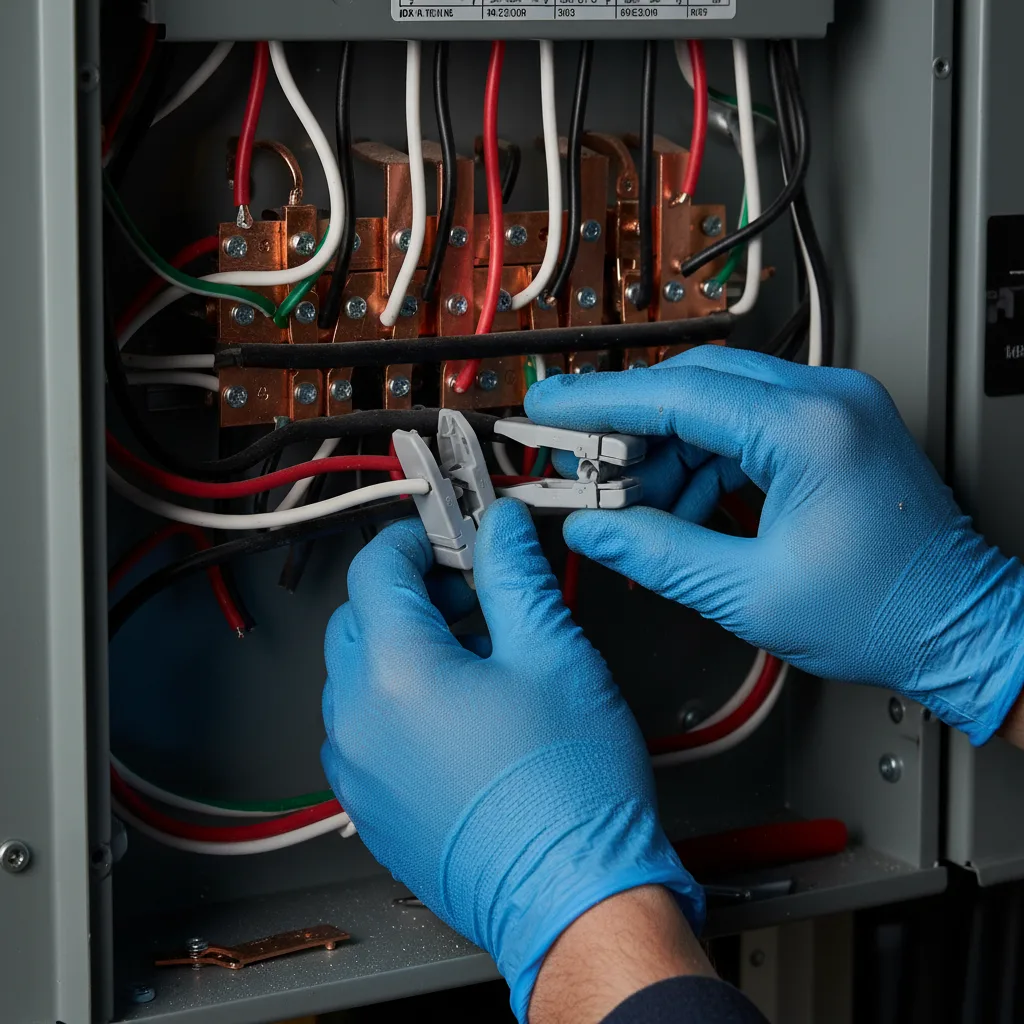
Upgrading to a solar-matched charger requires specific electrical work. The unit needs to know what the grid is doing. Your electrician will run a twisted-pair data cable from the charger to your main electrical panel.
They snap a consumption meter around the main utility wires. This tells the charger exactly how much power is entering or leaving your house.
Running this data wire through finished drywall adds labor hours. Expect your electrician to charge an extra $200 to $400 for this specific step.
The math behind the savings
Here is the actual return on investment based on 2026 utility rates.
My utility company charges $0.24 per kWh for electricity. They pay me $0.04 per kWh for the solar power I send back to the grid. My EV battery holds 75 kWh.
If I charge from the grid, a full fill-up costs $18. If I sell 75 kWh of solar to the utility, I make $3.
By shoving my solar power directly into the car, I save the $18 I would’ve spent, minus the $3 I would’ve earned. That leaves $15 of net savings per full charge.
I charge about 60 times a year. That totals $900 in annual savings just by keeping my own energy.
Check the EPA Green Vehicles guide to understand how clean charging drops your home carbon footprint.
Solar EV charging ROI calculator
Calculate your annual savings by switching to a solar-matched EV charger.
Navigating tax credits and rebates
The US federal government offers the Alternative Fuel Vehicle Refueling Property Credit. It covers 30% of the hardware and installation costs (up to $1,000). You just need to live in an eligible census tract.
Check the IRS Form 8911 guidelines to see if your address qualifies. The Department of Energy also maintains a mapping tool for these exact boundaries.
Local utility companies often hand out another $200 to $500 if you buy an approved smart charger. They do this because managed charging helps them avoid grid blackouts.
A warning about home batteries
If you have a home battery system, your solar EV charger needs careful configuration. Without limits, the EV charger will drain your expensive home battery to fill your car battery.
This degrades the home battery for no logical reason. You’re just moving stored power from a wall box to a metal box on wheels. The National Renewable Energy Laboratory confirms that cycling batteries unnecessarily shortens their lifespan.
You must set the EV charger software to only draw from the solar panels. It has to completely ignore the home battery reserves.
Common questions about solar EV charging
Can I still charge at night?
Yes. Every solar-matched charger allows you to override the green settings. You just open the app, switch to standard mode, and the unit pulls power from the grid like a normal Level 2 charger.
What if my panels don’t produce enough power?
EV chargers require a minimum of 6 amps (about 1.4 kW) to start charging. If your solar panels produce less than 1.4 kW of excess power, the charging session pauses. Once the sun comes out and production spikes above 1.4 kW, the charger wakes up and resumes filling the car.
Do I need internet for this to work?
It depends on the hardware. The Emporia requires an active WiFi connection to pass data between the panel monitor and the charger. The Zappi relies on a hardwired physical connection and continues to match solar production even if your home router breaks.
Finding the right equipment takes some homework. Sites like Consumer Reports frequently update their hardware tests. I highly recommend reading those reviews before calling an electrician.
Buy the charger that fits your current solar array. Lock in the hardware. And stop paying the utility company to fill your car.
Explore More Green Transport Guides

Written by Mangaleswaran
Mangaleswaran is a dedicated sustainable living expert and the founder of EcoDweller. With a deep passion for renewable energy, he specializes in simplifying complex green technologies—like solar power and home efficiency—for the modern homeowner. His mission is to empower individuals to reduce their environmental impact while building more cost-effective, eco-friendly homes for the future.
Follow on Facebook